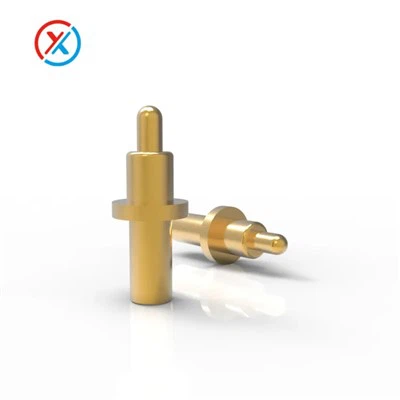
As a supplier of Pogo Pin USB products, I often encounter questions from customers regarding the performance and potential issues of our offerings. One of the most frequently asked questions is whether Pogo Pin USB generates electromagnetic interference (EMI). In this blog post, I will delve into this topic, exploring the science behind EMI, how Pogo Pin USB might be related to it, and the steps we take to ensure our products meet the highest standards.
Understanding Electromagnetic Interference
Electromagnetic interference is the disruption that occurs when an electromagnetic field from one source affects an electrical circuit. This can lead to a range of problems, from minor glitches in electronic devices to complete system failures. EMI can be classified into two main types: conducted and radiated. Conducted EMI travels along power and signal lines, while radiated EMI is emitted into the air as electromagnetic waves.
There are numerous sources of EMI in our daily lives. Natural sources include lightning and solar flares, which can generate powerful electromagnetic pulses. Man - made sources are far more common and include everything from power lines and electrical appliances to radio and television transmitters. In the context of electronic devices, high - frequency signals, switching power supplies, and fast - rising edges in digital circuits are all potential sources of EMI.
Pogo Pin USB: A Brief Overview
Before we discuss the relationship between Pogo Pin USB and EMI, let's first understand what Pogo Pin USB is. Pogo pins are spring - loaded pins that are commonly used in electronic connectors. They offer several advantages over traditional connectors, such as a more reliable electrical connection, the ability to withstand multiple mating cycles, and a compact design.
Our Usb Pogo Pin products are designed to provide a seamless and efficient connection for a wide range of devices. They are used in applications such as smartphones, tablets, wearables, and industrial equipment. The 4 Pogo Pin Cable is a popular choice among our customers, offering a simple yet effective way to connect devices using Pogo Pin technology. Additionally, our Magnetic Wire Connection further enhances the convenience and reliability of the connection.


Does Pogo Pin USB Generate Electromagnetic Interference?
The short answer is that, like any electrical component, Pogo Pin USB has the potential to generate EMI. However, the level of interference depends on several factors.
One of the key factors is the design of the Pogo Pin USB connector. If the pins are not properly shielded or if the electrical paths within the connector are not optimized, it can lead to EMI. For example, a poorly designed connector may have high - impedance paths, which can cause signal reflections and generate electromagnetic waves.
The frequency of the signals passing through the Pogo Pin USB also plays a crucial role. Higher - frequency signals are more likely to generate EMI than lower - frequency signals. In modern electronic devices, high - speed data transfer rates are becoming increasingly common, which means that the Pogo Pin USB connectors need to be able to handle these signals without generating excessive interference.
Another factor is the quality of the materials used in the Pogo Pin USB. Low - quality materials may have higher resistance or capacitance, which can affect the signal integrity and lead to EMI. For instance, if the spring - loaded pins are made of a material with poor conductivity, it can cause voltage drops and signal distortion.
Mitigating Electromagnetic Interference in Pogo Pin USB
As a responsible supplier, we take several steps to minimize the EMI generated by our Pogo Pin USB products.
First and foremost, we focus on the design of our connectors. Our engineering team uses advanced simulation tools to model the electrical and electromagnetic behavior of the connectors. This allows us to optimize the layout of the pins, minimize the length of the electrical paths, and ensure proper shielding. For example, we use conductive materials to create a shielding layer around the pins, which helps to contain the electromagnetic fields and prevent them from radiating out into the environment.
We also pay close attention to the quality of the materials we use. We source high - quality metals and plastics that have excellent electrical properties. The spring - loaded pins are made of materials with high conductivity and low resistance, which helps to ensure a stable and efficient electrical connection. Additionally, the insulating materials are carefully selected to have low dielectric constant and loss tangent, which reduces the chances of signal loss and interference.
In addition to design and material selection, we conduct rigorous testing on our products. We use specialized EMI testing equipment to measure the electromagnetic emissions of our Pogo Pin USB connectors. This allows us to identify any potential issues and make the necessary adjustments before the products are released to the market. Our testing procedures comply with international standards such as CISPR (International Special Committee on Radio Interference) and FCC (Federal Communications Commission) regulations.
Conclusion
In conclusion, while Pogo Pin USB has the potential to generate electromagnetic interference, with proper design, material selection, and testing, we can effectively minimize this risk. Our company is committed to providing high - quality Pogo Pin USB products that meet the strictest standards for EMI performance.
If you are in the market for reliable Pogo Pin USB products, we invite you to contact us for more information. Whether you are a manufacturer of consumer electronics or an engineer working on a new project, we can offer you the solutions you need. Our team of experts is ready to assist you with product selection, technical support, and any other questions you may have. Let's work together to ensure your electronic devices have the best possible connectivity and performance.
References
- CISPR Standards, International Electrotechnical Commission (IEC)
- FCC Regulations, Federal Communications Commission
- "Electromagnetic Compatibility Engineering" by Henry W. Ott