

As a provider of Electrical Pogo Pins, I've witnessed firsthand the critical role these components play in modern electronics. One of the most crucial aspects of Electrical Pogo Pins is their contact force stability, which directly impacts the performance and reliability of electronic devices. In this blog, I'll delve into what contact force stability means for Electrical Pogo Pins, why it's important, and how we ensure high - quality stability in our products.

Understanding Contact Force in Electrical Pogo Pins
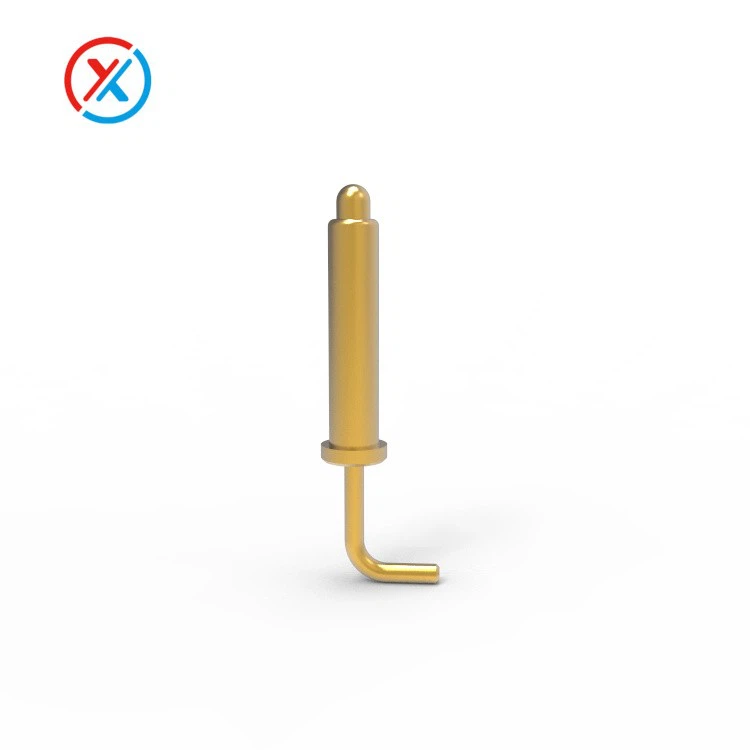
Contact force is the pressure exerted by the pogo pin's tip when it makes contact with a mating surface. It's a fundamental characteristic that determines the electrical connection between the pin and the target. When an Electrical Pogo Pin Electrical Pogo Pins is compressed against a circuit board or another conductive surface, the contact force ensures a low - resistance path for the flow of electrical current.
Imagine a simple scenario where a pogo pin is used to connect a battery to a small electronic device. If the contact force is too low, the connection may be intermittent, leading to power disruptions and malfunctions. On the other hand, if the contact force is too high, it can cause damage to the mating surface, such as scratching or denting the circuit board, which also compromises the electrical connection.
What is Contact Force Stability?
Contact force stability refers to the ability of an Electrical Pogo Pin to maintain a consistent contact force over time, under various operating conditions. These conditions can include temperature variations, mechanical vibrations, and repeated use. A pogo pin with high contact force stability will provide a reliable and consistent electrical connection throughout its lifespan.
Let's take a closer look at the factors that can affect contact force stability:
Material Properties
The materials used in the construction of the pogo pin play a significant role in determining its contact force stability. For example, the spring inside the pogo pin is typically made of a metal alloy, such as stainless steel or beryllium copper. These materials have different elastic properties, which affect how the spring behaves under compression. A high - quality spring material will have good fatigue resistance, meaning it can withstand repeated compression and expansion cycles without losing its elasticity.
Our company carefully selects the materials for our Spring Loaded Pin Contact to ensure optimal contact force stability. We conduct extensive material testing to verify the mechanical and electrical properties of the materials, and we only use materials that meet our strict quality standards.
Manufacturing Precision
The manufacturing process of Electrical Pogo Pins also has a direct impact on contact force stability. Any variations in the dimensions of the pin, such as the diameter of the tip or the length of the spring, can affect the contact force. High - precision manufacturing techniques are required to ensure that each pogo pin is produced with consistent dimensions and properties.
At our manufacturing facility, we use advanced machining and assembly processes to produce Pogo Pin Right Angle pins with high precision. Our quality control team conducts thorough inspections at every stage of the manufacturing process to ensure that the pins meet the specified contact force requirements.
Environmental Factors
Environmental conditions can have a significant impact on the contact force stability of Electrical Pogo Pins. Temperature changes, for example, can cause the materials to expand or contract, which can affect the spring's elasticity and the overall contact force. Humidity and corrosive environments can also cause oxidation or corrosion of the pin's surface, which can increase the contact resistance and reduce the contact force.
To address these environmental challenges, we offer pogo pins with special coatings and treatments that provide protection against corrosion and temperature variations. Our engineers also conduct environmental testing to ensure that our pogo pins can perform reliably in a wide range of operating conditions.
Importance of Contact Force Stability
The stability of the contact force in Electrical Pogo Pins is of utmost importance in various applications. Here are some key reasons why:
Reliability in Electronic Devices
In modern electronic devices, such as smartphones, tablets, and wearables, reliability is crucial. A single electrical connection failure can cause the entire device to malfunction. Electrical Pogo Pins with high contact force stability ensure that the electrical connections remain reliable, even under harsh operating conditions. This reduces the risk of device failures and improves the overall user experience.
Signal Integrity
In addition to power connections, Electrical Pogo Pins are also used for signal transmission in electronic devices. A stable contact force is essential for maintaining signal integrity. Any fluctuations in the contact force can cause signal loss, noise, or distortion, which can affect the performance of the device. By providing a consistent contact force, our pogo pins help to ensure accurate and reliable signal transmission.
Long - Term Performance
Many electronic devices are designed to have a long lifespan. Electrical Pogo Pins with high contact force stability can withstand repeated use and maintain their performance over time. This reduces the need for frequent replacements and repairs, which can save costs for both manufacturers and end - users.
How We Ensure Contact Force Stability in Our Products
As a leading provider of Electrical Pogo Pins, we are committed to ensuring the highest level of contact force stability in our products. Here are some of the measures we take:
Research and Development
We invest heavily in research and development to continuously improve the design and performance of our pogo pins. Our R & D team works closely with our customers to understand their specific requirements and develop innovative solutions to meet those needs. We also collaborate with leading research institutions to stay at the forefront of pogo pin technology.
Quality Control
Quality control is an integral part of our manufacturing process. We have a comprehensive quality management system in place to ensure that every pogo pin we produce meets the highest quality standards. Our quality control team conducts a series of tests, including contact force testing, electrical conductivity testing, and environmental testing, to verify the performance of our pogo pins.
Customization
We understand that different applications have different requirements for contact force stability. That's why we offer customized pogo pin solutions to meet the specific needs of our customers. Our engineering team can work with you to design and manufacture pogo pins with the exact contact force, dimensions, and materials required for your application.
Conclusion
Contact force stability is a critical factor in the performance and reliability of Electrical Pogo Pins. By understanding the factors that affect contact force stability and taking appropriate measures to ensure it, we can provide high - quality pogo pins that meet the needs of our customers in various applications.
If you're in the market for Electrical Pogo Pins with high contact force stability, we invite you to contact us for a consultation. Our team of experts can help you select the right pogo pins for your application and provide you with detailed technical support. Let's work together to ensure the success of your electronic products.
References
- "Fundamentals of Electrical Contacts" by E. M. G. Pettersson
- "Mechanical Design of Electronic Equipment" by R. C. Dorf


