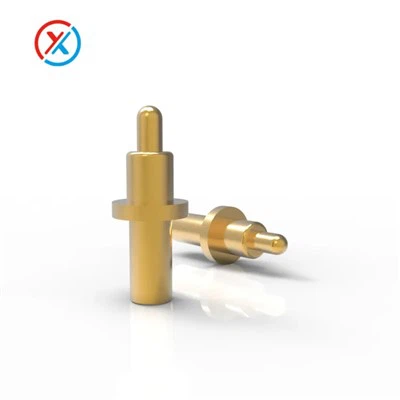
Hey there! As a supplier of right angle pogo pins, I often get asked about the maximum current these little wonders can carry. It's a crucial question, especially for those in the electronics industry where power transfer is a big deal. So, let's dive right in and explore this topic.
First off, what are right angle pogo pins? Well, they're essentially spring-loaded pins that are designed at a right angle. They're used in a wide range of applications, from consumer electronics like smartphones and tablets to industrial equipment and automotive systems. These pins provide a reliable electrical connection between two components, and their right angle design makes them ideal for tight spaces.
Now, let's talk about the maximum current. The maximum current that right angle pogo pins can carry depends on several factors. One of the most important factors is the size of the pin. Generally speaking, larger pins can carry more current than smaller ones. This is because a larger pin has a greater cross-sectional area, which means there's more room for electrons to flow. For example, a pogo pin with a larger diameter will have less resistance, allowing more current to pass through without overheating.
Another factor that affects the maximum current is the material of the pin. Pogo pins are typically made from materials like copper, brass, or stainless steel. Copper is a popular choice because it has excellent electrical conductivity. However, the choice of material also depends on other factors such as corrosion resistance and mechanical strength. For instance, in a harsh environment where corrosion is a concern, stainless steel might be a better option, even though it has slightly lower conductivity compared to copper.
The spring inside the pogo pin also plays a role. A strong and well-designed spring ensures good contact between the pin and the mating surface. If the contact is poor, the resistance will increase, which can lead to a decrease in the maximum current the pin can carry. Additionally, the spring needs to be able to withstand the force applied during use without losing its elasticity.
Let's take a look at some real-world examples. In a typical consumer electronics device, right angle pogo pins might be used to connect a battery to the circuit board. In this case, the current requirements are usually relatively low, perhaps in the range of a few milliamps to a few hundred milliamps. For these applications, smaller pogo pins with a diameter of around 1 - 2 mm might be sufficient.
On the other hand, in industrial or automotive applications, the current requirements can be much higher. For example, in a high-power charging system, the pogo pins might need to carry currents of several amps or even tens of amps. In these cases, larger and more robust pogo pins are required.
If you're interested in learning more about pogo pin contacts, you can check out this Pogo Pin Contacts page. It provides detailed information about the different types of pogo pin contacts and their applications.
Now, let's talk about how to determine the maximum current for a specific pogo pin. Most manufacturers, including us, provide datasheets for their pogo pins. These datasheets contain important information such as the maximum current rating, the resistance, and the operating temperature range. It's always a good idea to refer to these datasheets when selecting pogo pins for your application.
However, it's important to note that the maximum current rating is usually specified under ideal conditions. In real-world applications, there are other factors that can affect the performance of the pogo pin. For example, the ambient temperature can have a significant impact. As the temperature increases, the resistance of the pin also increases, which can reduce the maximum current it can carry. So, if your application is going to be used in a high-temperature environment, you might need to derate the maximum current accordingly.
Another thing to consider is the duration of the current flow. If the current is only flowing for a short period of time, the pogo pin can usually handle a higher current compared to continuous operation. This is because the heat generated during short-term operation has less time to build up and cause damage to the pin.
If you're looking for spring-loaded pin contacts, you can visit this Spring Loaded Pin Contact page. It offers a wide range of options to suit different applications.


When it comes to electrical pogo pins, they need to meet certain safety standards. For example, in some applications, the pins need to be able to handle short circuits without causing a fire or other safety hazards. This means that the design and construction of the pogo pin need to be carefully considered to ensure compliance with these standards.
In addition to the technical aspects, we also understand the importance of quality and reliability. As a supplier, we take great pride in providing high-quality right angle pogo pins. We have strict quality control measures in place to ensure that each pin meets our standards. We test our pins for various parameters such as electrical conductivity, mechanical strength, and durability.
If you're in the market for right angle pogo pins, whether it's for a small consumer electronics project or a large industrial application, we'd love to help. Our team of experts can assist you in selecting the right pogo pins for your specific needs. We offer a wide range of options in terms of size, material, and current rating.
If you want to learn more about electrical pogo pins, you can visit this Electrical Pogo Pins page. It has detailed information about our electrical pogo pin products.
In conclusion, the maximum current that right angle pogo pins can carry depends on multiple factors such as size, material, spring design, and operating conditions. By understanding these factors, you can make an informed decision when selecting pogo pins for your application. If you have any questions or need further assistance, don't hesitate to reach out. We're here to help you find the perfect pogo pins for your project. Whether you're a small startup or a large corporation, we can provide you with the right solutions at a competitive price. So, if you're interested in purchasing right angle pogo pins, let's start a conversation and see how we can work together.
References:
- "Electrical Conductivity of Metals" - A general reference on the electrical properties of different metals used in pogo pins.
- "Spring Design and Performance" - Information on the role of springs in pogo pins and their impact on current carrying capacity.
- "Pogo Pin Application Guidelines" - A guide provided by industry experts on selecting and using pogo pins in various applications.