Are large pogo pins easy to install? This is a question that often comes up among engineers, designers, and those involved in electronic product development. As a supplier of large pogo pins, I've had extensive experience with these components and interacted with numerous clients who have different perspectives on their installation process. In this blog post, I'll share my insights on whether large pogo pins are easy to install, considering various factors such as design, application, and the installation environment.
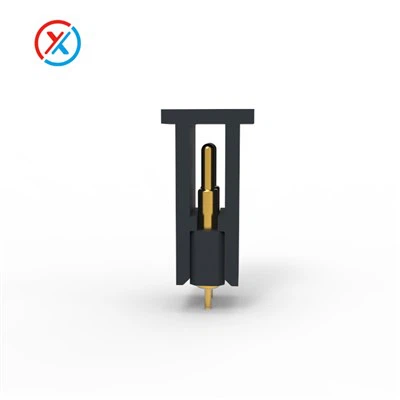
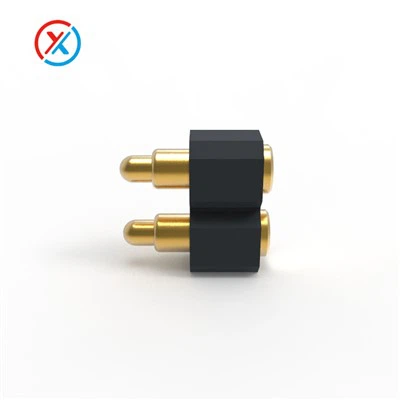
First, let's understand what large pogo pins are. Large pogo pins, also known as Spring Loaded Pin, are precision electrical connectors with a retractable plunger inside a barrel. The plunger is spring - loaded, which allows it to make reliable electrical contact with another surface when compressed. These pins come in different sizes, and the so - called "large" pogo pins typically have a larger diameter and length compared to standard ones. They are commonly used in applications that require high current transmission, such as 3A Current Pogo Pins, or in situations where a more robust mechanical connection is needed.
One of the aspects that make large pogo pins easy to install is their standardized design. Most large pogo pins follow industry - recognized dimensions and specifications. This means that designers can use standard manufacturing processes and equipment to install them. For example, if you are using a printed circuit board (PCB), you can drill holes of the appropriate size according to the pin's specifications. The pins can then be inserted into these holes either manually or using automated pick - and - place machines. Automated assembly lines can handle large pogo pins efficiently, which speeds up the production process and reduces the risk of human error.
Another factor contributing to the ease of installation is the simplicity of the connection mechanism. Large pogo pins are designed to be self - aligning to a certain extent. When the mating part is brought into contact with the pogo pin, the spring - loaded plunger will adjust its position slightly to ensure proper alignment. This self - alignment feature reduces the need for precise alignment during the installation process, especially in applications where a high degree of accuracy is difficult to achieve.
However, it's important to note that the installation of large pogo pins is not always a straightforward task. One of the challenges is the physical handling of the pins. Due to their larger size, they can be more difficult to handle compared to smaller pogo pins. For example, when inserting them into a PCB by hand, the larger size may require more force, and there is a higher risk of bending or damaging the pins if not done carefully. In addition, the larger mass of the pins can make them more prone to vibration - induced movement during the installation process, which may affect the final position of the pins.
The application environment also plays a crucial role in determining the ease of installation. In some applications, such as in a confined space or a high - density PCB layout, installing large pogo pins can be quite challenging. The limited space may make it difficult to access the installation area and use the necessary tools. Moreover, in applications where there are strict temperature or humidity requirements, the installation process needs to be carefully controlled to ensure the performance and reliability of the pogo pins. For example, high humidity can cause corrosion on the pins, which may affect their electrical conductivity.
The type of mating part is another consideration. If the mating part has a complex shape or surface profile, it may be more difficult to achieve a proper connection with the large pogo pins. In such cases, additional design considerations or custom - made adapters may be required. For instance, if the mating surface is not flat, the pogo pin may not make a reliable electrical contact, leading to performance issues or even device failure.
To overcome these challenges, it's essential to follow some best practices during the installation of large pogo pins. First, ensure that the installation area is clean and free of debris. Any foreign particles on the pins or the mating surface can interfere with the electrical connection and cause problems. Second, use the appropriate tools for installation. For example, if you are using an automated assembly line, make sure the pick - and - place machine is calibrated correctly to handle the large pogo pins. If installing by hand, use precision tweezers or other handling tools to avoid damaging the pins.


In addition, proper testing should be carried out after installation. This includes electrical conductivity testing to ensure that the pogo pins are making a reliable connection. If any issues are detected, the installation process may need to be re - evaluated or adjusted.
As a large pogo pin supplier, I understand the importance of providing support to our customers during the installation process. We offer technical advice to help our clients design their products in a way that makes the installation of our large pogo pins as easy as possible. Our team of engineers can assist with issues such as choosing the right pin for the application, optimizing the PCB layout, and providing guidance on the installation process.
In conclusion, whether large pogo pins are easy to install depends on several factors. While their standardized design and self - aligning mechanism offer some advantages, challenges such as physical handling, application environment, and mating part compatibility can make the installation process more difficult. By following best practices and seeking professional support, these challenges can be effectively addressed.
If you are considering using large pogo pins in your next project or have any questions about their installation, we welcome you to contact us for further discussions. Our team of experts is ready to assist you in making the right decision and ensuring a smooth installation process. We also offer a wide range of large pogo pins, including Pogo Pin Female, to meet your specific requirements.
References
- Industry standards for pogo pin design and manufacturing
- Technical literature on electrical connector installation
- Case studies of large pogo pin applications in different industries