Hey there! As a magnetic connector supplier, I often get asked this question: Are magnetic connectors compatible with all types of cables? Well, it's not a straightforward yes or no answer, so let's dive right in and break it down.
First off, let's understand what magnetic connectors are. These nifty little devices use magnetic force to connect two parts of a cable or a cable to a device. They've become super popular in recent years, especially in consumer electronics, because they offer a convenient and secure way to connect and disconnect cables. You just bring the two magnetic parts close to each other, and they snap together. And when you need to unplug, a gentle tug is all it takes, which is way better than fumbling with traditional connectors.
Now, let's talk about compatibility. The short version is that magnetic connectors aren't compatible with all types of cables, but they do work with a pretty wide range.
Compatibility Factors
1. Pin Configuration
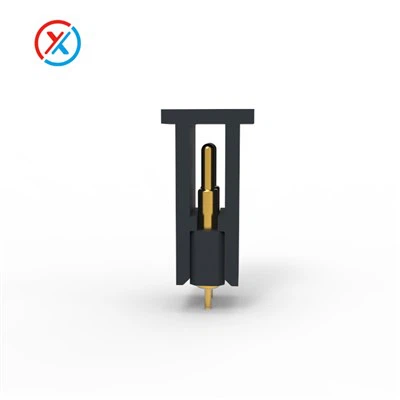
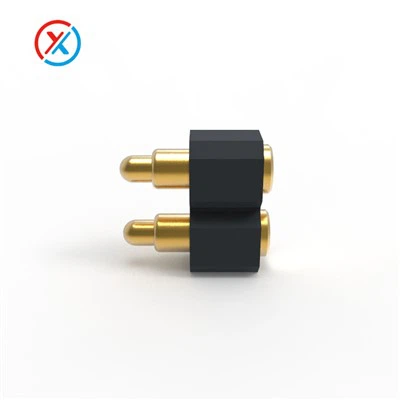
Pin configuration is a huge deal when it comes to compatibility. Different cables have different numbers and arrangements of pins, which are used to transmit power, data, or both. For example, a Right Angle Pogo Pin Connector 4 Pin is designed to work with cables that have a 4 - pin configuration. If you try to connect it to a cable with a different number of pins, say a 3 - pin or 7 - pin cable, it just won't work. The pins need to match up exactly for the electrical connection to be made properly.
2. Voltage and Current Ratings
Another important factor is the voltage and current ratings. Cables are designed to handle specific amounts of voltage and current. A magnetic connector needs to have compatible ratings with the cable. If you connect a cable that's rated for high voltage and current to a magnetic connector that can only handle low levels, it could lead to overheating, damage to the connector, or even pose a safety risk. On the other hand, if the cable has a lower rating than the connector, it might not be able to deliver the necessary power or data effectively.
3. Cable Type
There are all sorts of cables out there, like USB cables, HDMI cables, audio cables, and power cables. Each type has its own specific requirements. Magnetic connectors are often designed with a particular cable type in mind. For instance, a magnetic USB connector will have the proper circuitry and pin layout to work with USB cables, allowing for the transfer of data and power according to the USB standard. But it won't work with an HDMI cable because HDMI has its own unique set of protocols and pin configurations.
Compatibility with Specific Cable Types
Power Cables
Magnetic connectors are commonly used with power cables. They're great for things like charging devices because they can provide a reliable connection that's easy to plug and unplug. Our Magnetic Connector Waterproof is a perfect example. It's designed to be used with power cables in applications where water resistance is important, like outdoor devices or marine equipment. As long as the voltage and current ratings of the power cable match those of the magnetic connector, they'll work together just fine.
Data Cables
When it comes to data cables, magnetic connectors can also be very useful. They can ensure a stable connection for the transfer of data between devices. However, as I mentioned earlier, the pin configuration and the data transfer protocol need to be compatible. For example, a magnetic connector designed for USB 3.0 data transfer won't work with a cable that's only capable of USB 2.0 speeds, because the higher - speed data transfer requires different circuitry and pin arrangements.
Audio Cables
Audio cables have their own set of requirements. Magnetic connectors can be used with audio cables, but again, the compatibility depends on factors like the number of channels and the impedance of the cable. If the magnetic connector is designed for a stereo audio cable, it won't work with a multi - channel surround sound cable.
Specialized Connectors
Some magnetic connectors are designed for very specific applications. Take the Waterproof Magnetic Connector 7 Pin. This connector is built for use in harsh environments where water resistance is a must, and it has a 7 - pin configuration, which means it's only compatible with cables that have the same 7 - pin setup and are rated for the same voltage and current.
Advantages of Magnetic Connectors Despite Compatibility Limitations
Even though magnetic connectors aren't compatible with all cables, they still offer a ton of benefits. They're really easy to use, especially for people with dexterity issues. The magnetic connection also helps prevent cable damage that can occur when traditional connectors are forced or misaligned during plugging and unplugging. And in applications where vibration or movement is common, the magnetic connection can stay secure, reducing the risk of intermittent connections.
Making the Right Choice
When you're looking at using magnetic connectors with your cables, it's crucial to do your homework. Make sure you know the specifications of both the magnetic connector and the cable. Check the pin configuration, voltage and current ratings, and the type of cable. If you're not sure, don't hesitate to reach out to us. We're here to help you find the right magnetic connector for your specific cable and application.


Conclusion
So, to answer the question, magnetic connectors aren't compatible with all types of cables. But with a wide range of options available, there's a good chance we can find a magnetic connector that will work with your cable. Whether you're looking for a waterproof connector for outdoor use or a connector for high - speed data transfer, we've got you covered.
If you're interested in purchasing magnetic connectors for your cables, we'd love to have a chat with you. Just let us know your requirements, and we'll help you find the perfect solution.
References
- General knowledge about electrical connectors and cable technology
- Product specifications of magnetic connectors and cables