Can Pogo Pin Contacts be used in lighting applications?


As a supplier of Pogo Pin Contacts, I've often been asked about the feasibility of using our products in lighting applications. In this blog, I'll explore the potential of Pogo Pin Contacts in the lighting industry, examine their advantages, challenges, and provide insights into real - world applications.
Understanding Pogo Pin Contacts
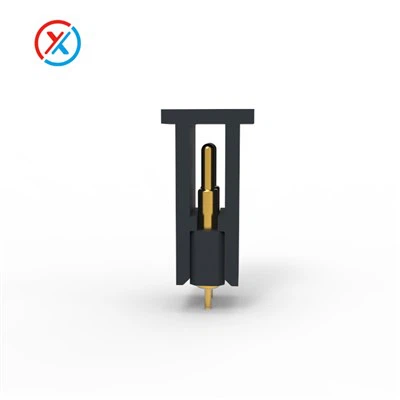
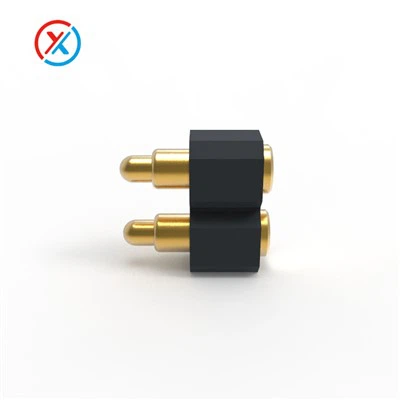
Pogo pins are spring - loaded pins, also known as Spring Loaded Pin Contact [/pogo-pin/right-angle-pogo-pin/spring-loaded-pin-contact.html]. They consist of a plunger, a barrel, and a spring. The plunger can move within the barrel under pressure, and when the pressure is released, the spring pushes the plunger back to its original position. This design ensures a reliable electrical connection even in challenging environments. Electrical Pogo Pins [/pogo-pin/right-angle-pogo-pin/electrical-pogo-pins.html] are designed specifically for the transmission of electrical signals and power. Female Pogo Pins [/pogo-pin/right-angle-pogo-pin/female-pogo-pin.html] are complementary parts that can mate with male pogo pins, allowing for easy connection and disconnection.
Advantages of Using Pogo Pin Contacts in Lighting Applications
1. Flexible Connection
One of the key advantages of Pogo Pin Contacts in lighting is their flexibility. In modern lighting systems, especially in modular or customizable lighting designs, the ability to easily connect and disconnect components is crucial. Pogo pins allow for quick assembly and disassembly of lighting modules. For example, in a smart lighting system where different light - emitting modules can be added or removed according to user needs, pogo pins provide a convenient solution. This flexibility also simplifies the process of maintenance and repair. If a particular lighting module fails, it can be swapped out quickly without having to solder or use complex wiring connections.
2. Reliable Electrical Connection
Lighting applications require a stable and consistent electrical connection to ensure proper illumination. Pogo pins use a spring - loaded mechanism to maintain constant contact pressure between the pins and the mating components. This ensures low contact resistance, which is essential for efficient power transmission. In high - power lighting systems, low contact resistance reduces power loss and heat generation, improving the overall energy efficiency of the lighting system. Moreover, the spring - loaded design can compensate for minor misalignments between the components, ensuring a reliable connection even in less - than - ideal assembly conditions.
3. Space - Saving Design
In many lighting fixtures, space is a premium. Pogo Pin Contacts have a compact design compared to traditional wiring methods. They can be arranged in a small area, allowing for more efficient use of space within the lighting fixture. This is particularly beneficial in applications such as small - scale decorative lighting, where the size of the fixture is a critical factor. The compact size also enables the design of more sleek and modern - looking lighting products.
4. Durability
Pogo pins are designed to withstand multiple mating and unmating cycles. In lighting applications where the fixtures may need to be disassembled and reassembled during installation, maintenance, or reconfiguration, the durability of the connection is crucial. High - quality pogo pins can endure thousands of cycles without significant degradation in performance. This makes them a reliable choice for long - term lighting solutions.
Challenges in Using Pogo Pin Contacts in Lighting
1. Cost
Compared to some traditional wiring methods, Pogo Pin Contacts can be relatively more expensive. The manufacturing process of pogo pins involves precision machining and assembly, which adds to the cost. However, as the demand for more advanced and flexible lighting solutions increases, the cost - effectiveness of pogo pins may improve over time. In addition, the long - term benefits of using pogo pins, such as reduced maintenance costs and improved reliability, can offset the initial higher cost.
2. Environmental Considerations
Lighting fixtures may be used in a variety of environments, including outdoor and high - humidity areas. Pogo pins need to be protected from environmental factors such as moisture, dust, and corrosion. Special coatings and sealing techniques can be applied to the pogo pins to enhance their resistance to these environmental factors. However, this adds complexity to the design and manufacturing process.
3. Compatibility with Existing Systems
Integrating Pogo Pin Contacts into existing lighting systems may require some modifications. The electrical and mechanical specifications of the pogo pins need to be carefully matched with the existing components. For example, the voltage and current ratings of the pogo pins must be compatible with the power supply and the lighting load. In some cases, custom - designed adapters may be needed to ensure proper compatibility.
Real - World Lighting Applications of Pogo Pin Contacts
1. Smart Lighting Modules
In smart lighting systems, different modules can perform various functions such as dimming, color changing, and remote control. Pogo pins are used to connect these modules together, allowing for easy customization and upgrade of the lighting system. For example, a user can add a color - changing module to an existing white - light lighting system simply by connecting it with pogo pins. This makes smart lighting more accessible and affordable for consumers.
2. Automobile Lighting
In the automotive industry, lighting systems are becoming more advanced and complex. Pogo Pin Contacts are used in applications such as LED headlamps, taillights, and interior lighting. The compact size and reliable electrical connection of pogo pins are well - suited for the limited space and high - performance requirements of automotive lighting. Additionally, the ability to quickly assemble and disassemble components using pogo pins simplifies the manufacturing and maintenance processes in the automotive production line.
3. Architectural Lighting
Architectural lighting often requires creative and flexible lighting solutions. Pogo pins are used in modular lighting fixtures that can be arranged in different configurations to achieve various lighting effects. For example, in a large - scale art installation or a commercial building lobby, modular lighting units connected by pogo pins can be easily repositioned and adjusted to create different lighting atmospheres.
Conclusion
In conclusion, Pogo Pin Contacts have significant potential for use in lighting applications. Their flexibility, reliable electrical connection, space - saving design, and durability make them a valuable option for various lighting systems. While there are some challenges such as cost, environmental considerations, and compatibility issues, these can be addressed through proper design and engineering. As the lighting industry continues to evolve towards more advanced, modular, and energy - efficient solutions, the demand for Pogo Pin Contacts is likely to increase.
If you are interested in exploring the use of Pogo Pin Contacts in your lighting applications, we welcome you to contact us for further discussion and procurement negotiation. We have a team of experts who can provide you with detailed technical information and customized solutions to meet your specific needs.
References
- Product literature on Pogo Pin Contacts from leading manufacturers.
- Research papers on electrical connectors for lighting applications from industry - related academic journals.