As a supplier of Electrical Pogo Pins, I often encounter questions from customers regarding the potential for these components to cause electromagnetic interference (EMI). This topic is crucial as EMI can significantly impact the performance of electronic devices, leading to malfunctions, signal degradation, and even complete system failures. In this blog post, I will delve into the science behind Electrical Pogo Pins and explore whether they are a source of EMI.
Understanding Electrical Pogo Pins
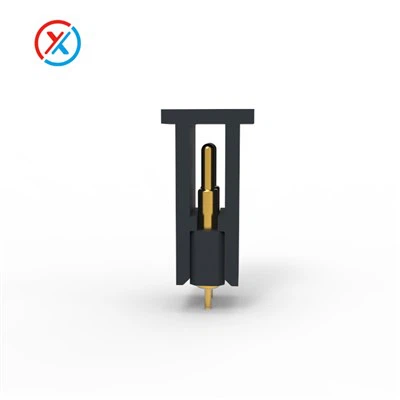
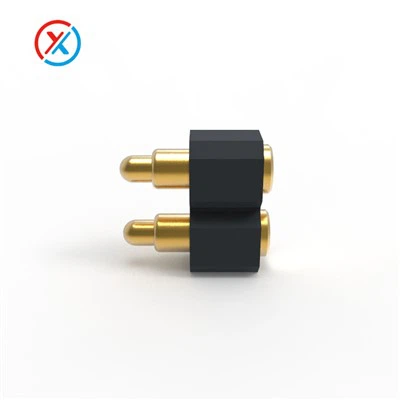
Before we discuss EMI, let's first understand what Electrical Pogo Pins are. Electrical Pogo Pins, also known as spring-loaded pins or pogo pin contacts, are small, spring-loaded connectors used in a wide range of electronic applications. They are designed to provide a reliable electrical connection between two or more components, such as printed circuit boards (PCBs), connectors, and test fixtures.
The basic structure of an Electrical Pogo Pin consists of a plunger, a spring, and a barrel. The plunger is the part that makes contact with the mating surface, while the spring provides the necessary force to maintain a stable connection. The barrel houses the spring and the plunger, and it is typically made of a conductive material such as brass or stainless steel.
Electrical Pogo Pins offer several advantages over traditional connectors, including high durability, low contact resistance, and the ability to compensate for uneven surfaces. They are commonly used in applications such as smartphones, tablets, laptops, automotive electronics, and aerospace systems.


What is Electromagnetic Interference?
Electromagnetic interference (EMI) refers to the disruption of an electronic device's normal operation caused by electromagnetic radiation. EMI can be generated by a variety of sources, including power lines, radio transmitters, motors, and other electronic devices. When EMI occurs, it can interfere with the signals transmitted and received by electronic devices, leading to errors, noise, and other performance issues.
There are two main types of EMI: conducted EMI and radiated EMI. Conducted EMI occurs when electromagnetic energy is transferred through electrical conductors, such as wires and cables. Radiated EMI, on the other hand, occurs when electromagnetic energy is emitted into the surrounding environment in the form of electromagnetic waves.
Can Electrical Pogo Pins Cause Electromagnetic Interference?
The short answer is yes, Electrical Pogo Pins can potentially cause electromagnetic interference. However, the likelihood and severity of EMI depend on several factors, including the design of the pogo pin, the operating conditions, and the surrounding environment.
One of the main sources of EMI in Electrical Pogo Pins is the contact bounce that occurs when the plunger makes or breaks contact with the mating surface. Contact bounce can generate electrical transients, which can radiate electromagnetic energy and cause interference. To minimize contact bounce, manufacturers typically design pogo pins with a high spring force and a smooth contact surface.
Another factor that can contribute to EMI is the electrical resistance of the pogo pin. When current flows through a pogo pin, it encounters resistance, which can generate heat and electromagnetic radiation. To reduce the electrical resistance, manufacturers often use high-conductivity materials for the plunger and the barrel.
In addition to contact bounce and electrical resistance, the operating frequency of the electronic device can also affect the likelihood of EMI. At high frequencies, the electromagnetic fields generated by Electrical Pogo Pins can interact with other components in the device, leading to interference. To mitigate this issue, manufacturers may use shielding techniques or design the pogo pins to operate at lower frequencies.
Minimizing Electromagnetic Interference in Electrical Pogo Pins
To minimize the potential for electromagnetic interference in Electrical Pogo Pins, manufacturers employ several design and manufacturing techniques. Here are some of the most common methods:
- Shielding: Shielding involves enclosing the pogo pin in a conductive material, such as a metal shield or a conductive coating. The shield acts as a barrier, preventing electromagnetic radiation from escaping or entering the pogo pin.
- Filtering: Filtering involves the use of passive components, such as capacitors and inductors, to reduce the amount of electromagnetic energy that is transmitted through the pogo pin. Filters can be designed to block specific frequencies or to attenuate the overall electromagnetic noise.
- Grounding: Grounding involves connecting the pogo pin to a common ground point, which helps to dissipate any electrical charge and reduce the potential for EMI. Proper grounding is essential for ensuring the safety and performance of electronic devices.
- Design Optimization: Manufacturers can optimize the design of Electrical Pogo Pins to reduce the likelihood of EMI. This may include using a low-profile design, minimizing the length of the plunger, and ensuring that the contact surface is smooth and flat.
Conclusion
In conclusion, Electrical Pogo Pins can potentially cause electromagnetic interference, but the likelihood and severity of EMI depend on several factors. By understanding the sources of EMI and implementing appropriate design and manufacturing techniques, manufacturers can minimize the potential for interference and ensure the reliable operation of electronic devices.
As a supplier of Electrical Pogo Pins, we are committed to providing high-quality products that meet the strictest industry standards. Our Pogo Pin Contacts and Spring Loaded Pin Contact are designed to minimize electromagnetic interference and provide reliable electrical connections in a wide range of applications.
If you are interested in learning more about our Electrical Pogo Pins or have any questions regarding electromagnetic interference, please do not hesitate to contact us. We would be happy to discuss your specific requirements and provide you with a customized solution.
References
- Grover, F. W. (1946). Inductance Calculations: Working Formulas and Tables. Dover Publications.
- Paul, C. R. (2006). Introduction to Electromagnetic Compatibility. John Wiley & Sons.
- Schmitt, R. L. (2002). Electromagnetic Compatibility Engineering. John Wiley & Sons.