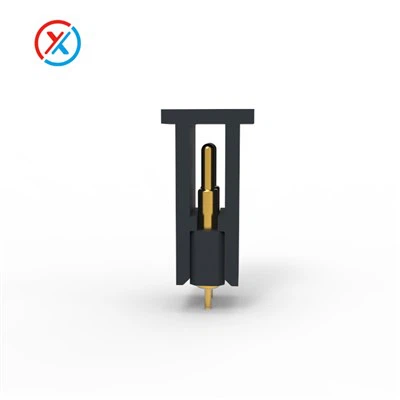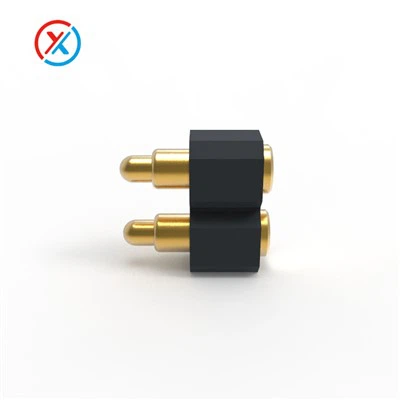
As a seasoned pogo pin manufacturer, I'm often asked how we ensure the smoothness of pogo pin movement. This is a critical aspect of pogo pin performance, as it directly impacts the reliability and durability of the products in which they are used. In this blog post, I'll share some of the key factors and processes we employ to guarantee the seamless movement of our pogo pins.
Material Selection
The choice of materials is fundamental to ensuring the smoothness of pogo pin movement. We carefully select high - quality metals that offer excellent conductivity, corrosion resistance, and mechanical properties. For the outer shell of the pogo pin, we typically use brass or stainless steel. Brass is a popular choice due to its good electrical conductivity and ease of machining. Stainless steel, on the other hand, provides superior corrosion resistance, making it ideal for applications in harsh environments.
The plunger inside the pogo pin is often made of copper alloys. Copper has high electrical conductivity, which is essential for efficient signal transmission. Additionally, copper alloys can be heat - treated to achieve the desired hardness and spring properties. The spring, a crucial component for the movement of the pogo pin, is usually made of high - carbon steel or beryllium copper. High - carbon steel springs offer high strength and durability, while beryllium copper springs provide excellent electrical conductivity and high corrosion resistance.
Precision Manufacturing Processes
Precision is the key when manufacturing pogo pins. We utilize advanced machining techniques to ensure that each component of the pogo pin is produced to exact specifications. Computer Numerical Control (CNC) machining is one of the primary methods we use. This technology allows us to achieve high levels of accuracy and repeatability in the production process.


During the machining of the outer shell and the plunger, tight tolerances are maintained. For example, the inner diameter of the outer shell and the outer diameter of the plunger are machined to a tolerance of just a few micrometers. This close fit ensures that the plunger can move smoothly inside the outer shell without excessive play or friction.
In addition to CNC machining, we also use cold forging processes to manufacture certain components. Cold forging helps to improve the material's density and strength, resulting in a more reliable and durable pogo pin. The forged components have a smooth surface finish, which further contributes to the smooth movement of the pogo pin.
Surface Treatment
Surface treatment plays a vital role in reducing friction and ensuring the smooth movement of pogo pins. We often apply a thin layer of precious metals, such as gold or silver, to the surface of the pogo pin components. Gold plating is particularly popular due to its excellent electrical conductivity, corrosion resistance, and low contact resistance.
The gold plating process is carefully controlled to ensure a uniform and smooth coating. The thickness of the gold layer can vary depending on the application requirements. For high - performance applications, a thicker gold layer may be used to provide better durability and conductivity.
In addition to gold plating, we may also apply other surface treatments, such as nickel plating, to improve the wear resistance of the pogo pin components. Nickel plating creates a hard and smooth surface that can withstand repeated use without significant wear.
Quality Control
Quality control is an integral part of our manufacturing process. We have a comprehensive quality control system in place to ensure that every pogo pin meets our strict standards for smooth movement.
During the production process, we conduct in - process inspections at multiple stages. This includes checking the dimensions, surface finish, and hardness of each component. Any components that do not meet the specified requirements are immediately rejected.
After the pogo pins are assembled, we perform functional tests to evaluate their movement. We use specialized testing equipment to measure the insertion and extraction forces of the pogo pins. The insertion force should be within a certain range to ensure easy connection, while the extraction force should be consistent to prevent accidental disconnection.
We also conduct cyclic testing to simulate the real - world usage of the pogo pins. The pogo pins are repeatedly inserted and extracted for a large number of cycles to check for any signs of wear or malfunction. Only pogo pins that pass all these tests are considered suitable for shipment.
Lubrication
In some cases, lubrication can be used to further enhance the smoothness of pogo pin movement. We carefully select lubricants that are compatible with the materials used in the pogo pin and do not interfere with its electrical properties.
The lubricant is applied in a thin and even layer to the critical contact surfaces of the pogo pin. This helps to reduce friction between the plunger and the outer shell, allowing for smoother movement. However, we need to be cautious when using lubricants, as excessive amounts can attract dust and debris, which may affect the performance of the pogo pin.
Applications and Product Solutions
Our commitment to ensuring the smoothness of pogo pin movement has enabled us to provide high - quality products for a wide range of applications. For example, our Pogo Pin High Current 15A is designed for applications that require high - power transmission. The smooth movement of these pogo pins ensures reliable electrical connections, even under high - current conditions.
Our Spring Loaded Pins are widely used in the electronics industry, where they provide a secure and stable connection between different components. The smooth movement of the spring - loaded pins allows for easy installation and removal, making them ideal for applications that require frequent component changes.
Another popular product is our Soldering Pogo Pins DC 3A. These pogo pins are designed for soldering applications and offer smooth movement to ensure a reliable electrical connection. The high - quality materials and precise manufacturing processes used in these pogo pins make them suitable for a variety of electronic devices.
Conclusion
Ensuring the smoothness of pogo pin movement is a complex process that involves careful material selection, precision manufacturing, surface treatment, quality control, and, in some cases, lubrication. As a pogo pin manufacturer, we take pride in our ability to produce high - quality pogo pins that offer reliable and smooth movement.
If you are in need of pogo pins for your application, we invite you to contact us for a procurement discussion. We have a team of experts who can provide you with professional advice and customized solutions based on your specific requirements.
References
- "Precision Engineering for Electrical Connectors" - Journal of Electrical Component Manufacturing
- "Surface Treatments for Metallic Components" - International Journal of Material Science
- "Lubrication in Small - Scale Mechanical Systems" - Tribology Transactions