In the world of printed circuit boards (PCBs), pogo pins play a crucial role in establishing reliable electrical connections. As a dedicated Pogo Pins PCB supplier, I am excited to share with you how these remarkable components work and their significance in modern electronics.


Introduction to Pogo Pins
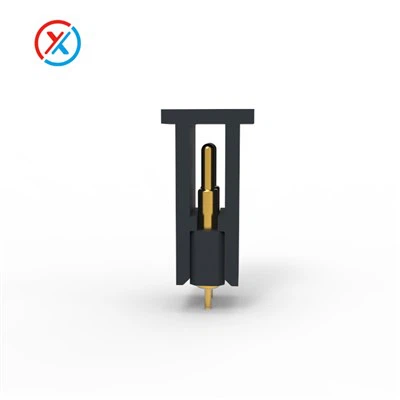
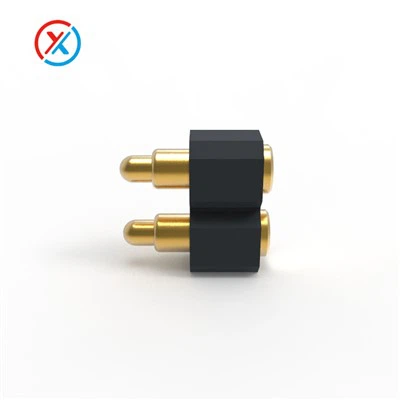
Pogo pins, also known as spring-loaded pins, are precision-engineered electrical connectors designed to provide a temporary or permanent electrical connection between two PCBs or other electronic components. They consist of three main parts: a plunger, a barrel, and a spring. The plunger is the top part of the pin that makes contact with the mating surface, the barrel houses the spring and provides a stable structure, and the spring provides the necessary force to ensure a reliable electrical connection.
How Pogo Pins Work
The working principle of pogo pins is based on the compression and expansion of the internal spring. When a pogo pin is pressed against a mating surface, the plunger is pushed into the barrel, compressing the spring. This compression creates a force that presses the plunger against the mating surface, ensuring a low-resistance electrical connection. The spring's elasticity allows the plunger to retract when the pressure is removed, ready for the next connection.
The design of pogo pins allows them to compensate for small variations in height, alignment, and surface flatness between the mating components. This makes them ideal for applications where precise alignment is difficult to achieve or where components may experience slight movement during operation.
Advantages of Using Pogo Pins on PCBs
- Reliable Electrical Connection: Pogo pins provide a stable and consistent electrical connection, even in high-vibration or high-shock environments. The spring-loaded design ensures that the contact force is maintained, reducing the risk of intermittent connections or signal loss.
- Easy Assembly and Disassembly: Pogo pins are easy to install and remove, making them suitable for applications that require frequent maintenance or component replacement. They can be soldered directly onto the PCB or used with a socket for quick and easy connection.
- Space-Saving Design: Pogo pins are available in a variety of sizes and configurations, allowing for compact and efficient PCB layouts. Their small form factor makes them ideal for use in portable electronics, wearables, and other space-constrained applications.
- High Current Capacity: Some pogo pins are designed to handle high currents, making them suitable for power delivery applications. For example, our Spring Loaded Contacts High Current are capable of carrying significant amounts of current while maintaining a low resistance.
- Versatility: Pogo pins can be used in a wide range of applications, including battery charging, data transfer, testing, and programming. They can be customized to meet specific requirements, such as different contact forces, lengths, and plating materials.
Applications of Pogo Pins on PCBs
- Consumer Electronics: Pogo pins are commonly used in smartphones, tablets, laptops, and other consumer electronics for battery charging, data transfer, and accessory connection. They provide a convenient and reliable way to connect external devices without the need for complex connectors.
- Automotive Electronics: In the automotive industry, pogo pins are used for testing and programming electronic control units (ECUs), sensors, and other components. Their ability to withstand high temperatures, vibrations, and harsh environments makes them suitable for automotive applications.
- Medical Devices: Pogo pins are used in medical devices such as patient monitors, diagnostic equipment, and implantable devices. They provide a reliable electrical connection for power, data transfer, and signal monitoring, ensuring the accurate operation of these critical devices.
- Industrial Equipment: In industrial applications, pogo pins are used for testing, programming, and connecting various electronic components. They are commonly found in manufacturing equipment, automation systems, and control panels.
Types of Pogo Pins
- Surface Mount Technology (SMT) Pogo Pins: SMT pogo pins are designed to be soldered directly onto the surface of the PCB. They are widely used in modern electronics due to their small size, ease of assembly, and compatibility with automated manufacturing processes. Our Spring Contact Pins are a popular choice for SMT applications.
- Through-Hole Pogo Pins: Through-hole pogo pins are inserted into holes drilled in the PCB and soldered on the opposite side. They are typically used in applications where a higher mechanical strength or a larger contact area is required.
- High-Current Pogo Pins: As mentioned earlier, high-current pogo pins are designed to handle large amounts of current. They are commonly used in power delivery applications, such as battery charging and power supplies. Our Pogo Contact Pins 1A Current are suitable for applications that require a moderate current capacity.
Design Considerations for Using Pogo Pins on PCBs
- Contact Force: The contact force of the pogo pin is an important parameter that affects the electrical performance and reliability of the connection. It should be carefully selected based on the application requirements, such as the mating surface material, the required contact resistance, and the expected environmental conditions.
- Plating Material: The plating material of the pogo pin's contact surface can significantly impact its electrical conductivity, corrosion resistance, and wear resistance. Common plating materials include gold, silver, and nickel. Gold plating is often preferred for its excellent electrical conductivity and corrosion resistance.
- Pin Length and Diameter: The length and diameter of the pogo pin should be chosen based on the available space on the PCB and the required contact force. Longer pins may provide a higher contact force, but they may also require more space and be more prone to bending or breaking.
- Mating Surface Compatibility: The mating surface of the PCB or other component should be compatible with the pogo pin's contact material. It should be flat, clean, and free of contaminants to ensure a reliable electrical connection.
Quality Assurance and Testing
As a Pogo Pins PCB supplier, we understand the importance of quality and reliability. We implement strict quality control measures throughout the manufacturing process to ensure that our pogo pins meet the highest standards. Our pogo pins are tested for electrical performance, contact force, durability, and other critical parameters to ensure their reliability in real-world applications.
Conclusion
Pogo pins are essential components in modern PCBs, providing a reliable and versatile solution for electrical connections. Their unique design and functionality make them suitable for a wide range of applications in various industries. As a Pogo Pins PCB supplier, we are committed to providing high-quality pogo pins that meet the specific needs of our customers.
If you are interested in learning more about our pogo pins or have any questions about their application on PCBs, please feel free to contact us for a consultation. We look forward to the opportunity to work with you and provide you with the best solutions for your electronic connection needs.
References
- "Electrical Connectors Handbook" by John W. Verderber
- "Printed Circuit Board Design and Manufacturing" by Clyde Coombs Jr.
- Industry standards and specifications related to pogo pins and PCB connectors.