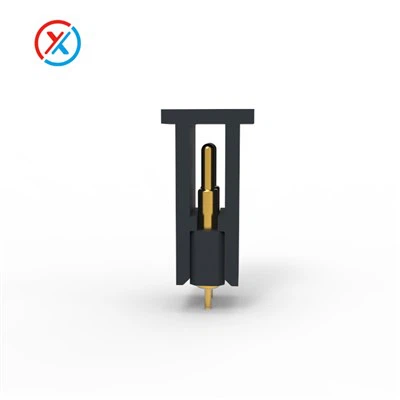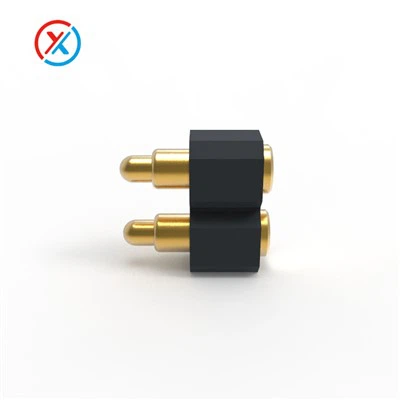
As a supplier of dip pogo pins, I understand the importance of accurately measuring the spring force of these essential components. Dip pogo pins are widely used in various electronic devices, from smartphones to industrial equipment, due to their reliable electrical connections and durability. The spring force of a dip pogo pin plays a crucial role in ensuring a stable and consistent connection, making it essential to measure this force accurately. In this blog post, I will discuss the methods and tools used to measure the spring force of dip pogo pins, as well as the importance of this measurement in the manufacturing process.
Why Measuring Spring Force is Important
The spring force of a dip pogo pin determines its ability to make and maintain a reliable electrical connection. If the spring force is too weak, the pin may not make proper contact with the mating surface, resulting in intermittent connections or signal loss. On the other hand, if the spring force is too strong, it can cause damage to the pin or the mating surface, leading to premature wear and failure. Therefore, accurately measuring the spring force is crucial to ensure the performance and reliability of dip pogo pins.
In addition to ensuring proper electrical connections, measuring the spring force also helps in quality control during the manufacturing process. By measuring the spring force of each pin, manufacturers can identify any pins that do not meet the specified requirements and take corrective actions. This helps in reducing the number of defective products and improving the overall quality of the dip pogo pins.
Methods of Measuring Spring Force
There are several methods available for measuring the spring force of dip pogo pins. The choice of method depends on various factors, such as the accuracy required, the type of pin, and the available equipment. Here are some of the commonly used methods:
1. Compression Testing Machine
A compression testing machine is a commonly used tool for measuring the spring force of dip pogo pins. This machine applies a controlled force to the pin and measures the displacement of the pin as it is compressed. The spring force can then be calculated using Hooke's Law, which states that the force exerted by a spring is directly proportional to its displacement.
To use a compression testing machine, the dip pogo pin is placed between two platens, and a gradually increasing force is applied until the pin reaches its maximum compression. The machine records the force and displacement data, which can be used to calculate the spring force. This method is highly accurate and can provide detailed information about the spring characteristics of the pin.
2. Force Gauge
A force gauge is a handheld device that can be used to measure the spring force of dip pogo pins. This device consists of a spring-loaded mechanism that measures the force applied to the pin. To use a force gauge, the pin is placed in a holder, and the force gauge is used to apply a force to the pin until it reaches its maximum compression. The force gauge then displays the measured force.
Force gauges are relatively inexpensive and easy to use, making them a popular choice for measuring the spring force of dip pogo pins in a production environment. However, they may not be as accurate as compression testing machines, especially for pins with very low or very high spring forces.
3. Load Cell
A load cell is a transducer that converts a force into an electrical signal. Load cells are commonly used in industrial applications for measuring the force applied to a component. To measure the spring force of dip pogo pins using a load cell, the pin is placed in a fixture, and the load cell is used to apply a force to the pin. The electrical signal generated by the load cell is then measured and converted into a force value.
Load cells are highly accurate and can provide real-time data about the spring force of the pin. They are often used in conjunction with other testing equipment, such as data acquisition systems, to provide detailed information about the spring characteristics of the pin.
Tools for Measuring Spring Force
In addition to the methods mentioned above, there are several tools available that can be used to measure the spring force of dip pogo pins. Here are some of the commonly used tools:
1. Micrometer
A micrometer is a precision measuring tool that can be used to measure the dimensions of the dip pogo pin, such as the diameter and length. By measuring the dimensions of the pin, it is possible to calculate the spring constant, which is a measure of the stiffness of the spring. The spring constant can then be used to calculate the spring force of the pin.
2. Caliper
A caliper is another measuring tool that can be used to measure the dimensions of the dip pogo pin. Calipers are less precise than micrometers but are still useful for measuring the general dimensions of the pin. They can be used to measure the diameter, length, and other dimensions of the pin, which can be used to calculate the spring force.
3. Spring Testing Fixture
A spring testing fixture is a specialized tool that is designed to hold the dip pogo pin in place during the spring force measurement. This fixture ensures that the pin is properly aligned and supported, which helps in obtaining accurate measurements. Spring testing fixtures are available in various designs and can be customized to suit the specific requirements of the dip pogo pin.
Importance of Accurate Measurement
Accurately measuring the spring force of dip pogo pins is crucial for ensuring the performance and reliability of these components. Here are some of the reasons why accurate measurement is important:
1. Electrical Performance
The spring force of a dip pogo pin directly affects its electrical performance. If the spring force is too weak, the pin may not make proper contact with the mating surface, resulting in poor electrical conductivity. On the other hand, if the spring force is too strong, it can cause damage to the pin or the mating surface, leading to increased resistance and signal loss. By accurately measuring the spring force, manufacturers can ensure that the dip pogo pins provide reliable electrical connections.
2. Mechanical Durability
The spring force of a dip pogo pin also affects its mechanical durability. If the spring force is too weak, the pin may not be able to withstand the repeated use and may fail prematurely. On the other hand, if the spring force is too strong, it can cause excessive wear and tear on the pin and the mating surface, leading to reduced lifespan. By accurately measuring the spring force, manufacturers can ensure that the dip pogo pins have the appropriate mechanical strength and durability.
3. Quality Control
Accurate measurement of the spring force is essential for quality control during the manufacturing process. By measuring the spring force of each pin, manufacturers can identify any pins that do not meet the specified requirements and take corrective actions. This helps in reducing the number of defective products and improving the overall quality of the dip pogo pins.


Conclusion
Measuring the spring force of dip pogo pins is a critical step in ensuring the performance and reliability of these components. By using the appropriate methods and tools, manufacturers can accurately measure the spring force and ensure that the dip pogo pins meet the specified requirements. This helps in providing reliable electrical connections, improving mechanical durability, and reducing the number of defective products.
As a [Your Company Position] at a dip pogo pin supplier, I am committed to providing high-quality dip pogo pins that meet the strictest industry standards. We use advanced testing equipment and techniques to measure the spring force of our dip pogo pins and ensure their performance and reliability. If you are looking for high-quality dip pogo pins for your electronic devices, please feel free to [Express the way to contact for procurement negotiation, e.g., contact us for a consultation and procurement negotiation]. We would be happy to assist you with your requirements.
References
- Smith, J. (2018). Spring Design and Analysis. New York: McGraw-Hill.
- Jones, R. (2019). Measuring Force and Torque. London: Elsevier.
- Brown, A. (2020). Quality Control in Manufacturing. Chicago: Wiley.