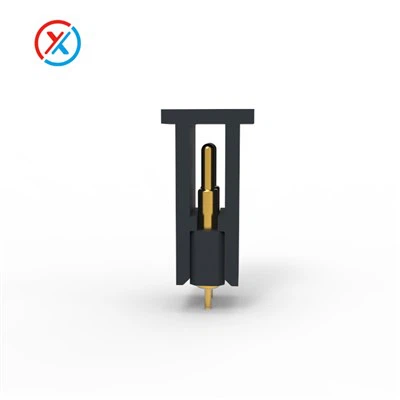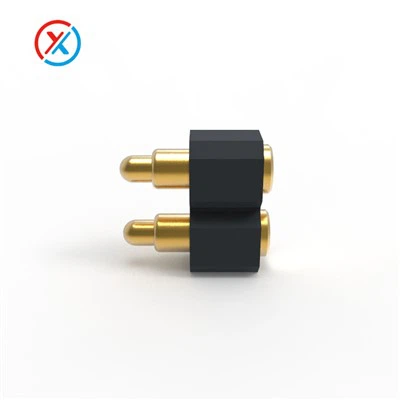
Hey there! As a supplier of Usb Pogo Pin Connector, I've been dealing with these connectors day in and day out. One of the most common issues we face in the industry is high contact resistance in USB pogo pin connectors. In this blog, I'm gonna share some tips on how to reduce that pesky contact resistance.
First off, let's understand why contact resistance matters. High contact resistance can lead to a bunch of problems. It can cause power loss, generate heat, and even affect the signal transmission quality. In the case of a 2 Pin Charger For Smart Watch, high resistance might slow down the charging process or even cause the watch to heat up during charging. For a Magnetic Wire Connector, it can disrupt the connection and lead to intermittent signal loss.
Material Selection
The choice of materials for the pogo pin and the mating surface is crucial. We usually use high - conductivity metals like copper or its alloys for the pogo pin. Copper has excellent electrical conductivity, which helps in reducing resistance. But copper can oxidize over time, so we often plate it with other metals. Gold is a popular choice for plating. It's highly resistant to corrosion and has good conductivity. Even a thin layer of gold plating can significantly reduce the contact resistance.
Another aspect is the material of the mating surface. It should be compatible with the pogo pin material. For example, if the pogo pin is gold - plated, the mating surface should also be able to form a good electrical connection with gold. A surface that is too hard or too soft can cause problems. If it's too hard, it might damage the pogo pin tip; if it's too soft, it can deform easily, leading to inconsistent contact.
Surface Finish
The surface finish of the pogo pin and the mating surface plays a big role. A smooth surface finish reduces the contact area where the resistance can build up. We use precision machining and polishing techniques to achieve a smooth surface on the pogo pin. Any roughness or irregularities can increase the contact resistance.
On the mating surface, we also need to ensure a proper finish. Sometimes, contaminants like dust, dirt, or oxidation can accumulate on the surface. We can use cleaning agents to remove these contaminants before making the connection. For example, a mild solvent can be used to clean the mating surface without damaging it.
Contact Force
The contact force between the pogo pin and the mating surface is another important factor. If the contact force is too low, the connection might be loose, and the resistance will be high. On the other hand, if the contact force is too high, it can damage the pogo pin or the mating surface. We need to find the right balance.
We design our pogo pins with a specific spring mechanism to control the contact force. The spring should be able to provide enough force to ensure a good connection but not so much that it causes damage. Regular testing is done to make sure the contact force is within the optimal range.
Design Considerations
The design of the pogo pin connector itself can impact the contact resistance. The shape of the pogo pin tip is important. A rounded tip can provide a larger contact area compared to a pointed tip, which helps in reducing resistance. Also, the alignment of the pogo pin and the mating surface needs to be precise. Any misalignment can lead to uneven contact and increased resistance.


We use advanced manufacturing techniques to ensure the accurate alignment of the pogo pins in the connector housing. The housing should also be designed to protect the pogo pins from external forces that could cause misalignment.
Environmental Factors
The environment in which the connector operates can affect the contact resistance. High humidity can cause oxidation, and high temperatures can change the physical properties of the materials. We need to take these factors into account when selecting materials and designing the connector.
For connectors that will be used in harsh environments, we can use protective coatings to prevent oxidation and corrosion. These coatings can act as a barrier between the metal surface and the environment.
Regular Maintenance and Inspection
Even with the best design and materials, regular maintenance and inspection are necessary. Over time, the pogo pin and the mating surface can wear out, and contaminants can accumulate. We recommend periodic cleaning and inspection of the connectors.
During inspection, we can check for signs of wear, misalignment, or damage. If any issues are found, the damaged parts can be replaced promptly to maintain low contact resistance.
In conclusion, reducing the contact resistance of a USB pogo pin connector requires a combination of proper material selection, surface finish, contact force control, design optimization, and consideration of environmental factors. By following these steps, we can ensure that our Usb Pogo Pin Connector provides a reliable and low - resistance connection.
If you're in the market for high - quality USB pogo pin connectors or have any questions about reducing contact resistance, feel free to reach out. We're always here to help you find the best solutions for your needs. Let's start a conversation about your requirements and see how we can work together to get you the perfect connector.
References
- "Connectors and Interconnect Technology" - A technical guide on connector design and performance.
- "Electrical Conductivity of Metals" - Research on the conductivity properties of different metals used in connectors.