Electromagnetic interference (EMI) is a common challenge in the field of electronics, and Pogo Pin Cables are no exception. As a Pogo Pin Cable supplier, we understand the importance of shielding these cables from EMI to ensure optimal performance and reliability. In this blog post, we will explore various methods and techniques to shield Pogo Pin Cables from electromagnetic interference.
Understanding Electromagnetic Interference
Before delving into the shielding methods, it's crucial to understand what electromagnetic interference is. EMI refers to the disruption that occurs when an electromagnetic field affects an electrical circuit. This interference can be caused by a variety of sources, including radio frequency (RF) emissions, power lines, and other electronic devices. When Pogo Pin Cables are exposed to EMI, it can lead to signal degradation, data loss, and even complete system failure.
The Importance of Shielding Pogo Pin Cables
Pogo Pin Cables are widely used in various electronic applications, such as smartphones, tablets, laptops, and industrial equipment. These cables are responsible for transmitting data and power between different components of a device. Shielding Pogo Pin Cables from EMI is essential for several reasons:
- Signal Integrity: EMI can distort the signals transmitted through Pogo Pin Cables, leading to errors and data corruption. By shielding the cables, we can maintain the integrity of the signals and ensure reliable communication between components.
- Compliance: Many industries have strict regulations regarding electromagnetic emissions and susceptibility. Shielding Pogo Pin Cables helps ensure compliance with these regulations, avoiding potential legal issues and product recalls.
- Performance: Unshielded cables are more prone to interference, which can result in reduced performance and functionality of the electronic device. Shielding the cables can improve the overall performance and reliability of the device.
Shielding Methods for Pogo Pin Cables
There are several methods and techniques available to shield Pogo Pin Cables from electromagnetic interference. Here are some of the most common ones:
1. Metallic Shielding
Metallic shielding is one of the most effective ways to protect Pogo Pin Cables from EMI. This method involves wrapping the cables with a layer of conductive material, such as copper or aluminum. The metallic shield acts as a Faraday cage, blocking the electromagnetic fields from reaching the cables.

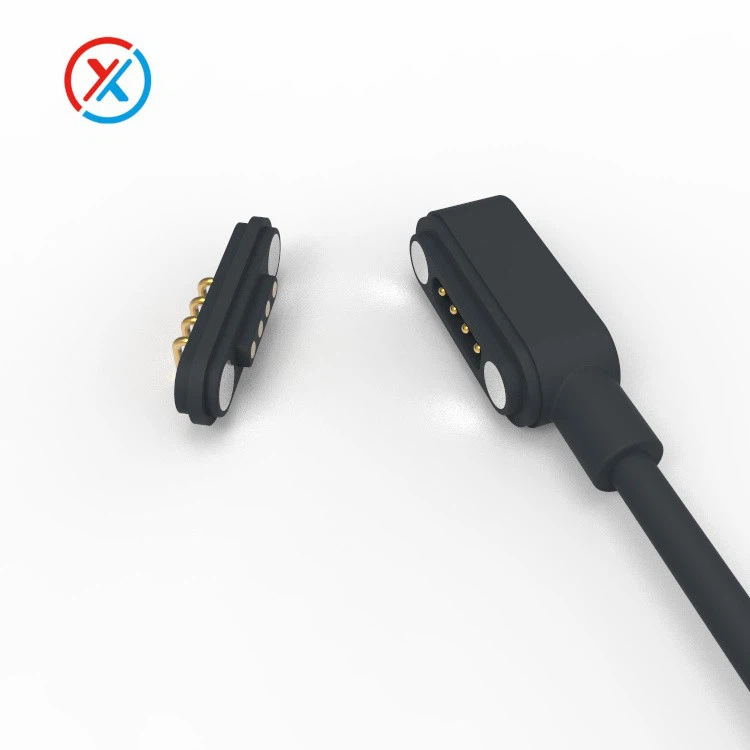
- Copper Foil Shielding: Copper foil is a popular choice for shielding Pogo Pin Cables due to its high conductivity and flexibility. The foil is wrapped around the cables in a spiral or overlapping pattern, providing a continuous shield.
- Braided Shielding: Braided shielding consists of a mesh of fine copper wires woven around the cables. This type of shielding offers excellent flexibility and durability, making it suitable for applications where the cables need to be bent or flexed.
2. Ferrite Beads
Ferrite beads are passive electronic components that can be used to suppress EMI in Pogo Pin Cables. These beads are made of a ferrite material, which has high magnetic permeability. When an alternating current (AC) passes through the cable, the ferrite bead acts as a low-pass filter, attenuating high-frequency noise.
- Placement: Ferrite beads are typically placed near the connectors or at the entry and exit points of the cables. This helps to prevent EMI from entering or leaving the cables.
- Selection: The choice of ferrite bead depends on the frequency range of the EMI and the current rating of the cable. It's important to select the appropriate ferrite bead to ensure effective suppression of the interference.
3. Shielded Connectors
In addition to shielding the cables themselves, using shielded connectors can further enhance the protection against EMI. Shielded connectors have a metallic shell that provides a continuous electrical connection between the cable shield and the device chassis.
- Grounding: Proper grounding of the shielded connectors is essential to ensure effective shielding. The shield should be connected to a low-impedance ground point to provide a path for the EMI to dissipate.
- Compatibility: When selecting shielded connectors, it's important to ensure compatibility with the Pogo Pin Cables and the electronic device. The connectors should have the appropriate pin configuration and mating interface.
4. Cable Routing and Layout
The way Pogo Pin Cables are routed and laid out can also have a significant impact on their susceptibility to EMI. Here are some tips for cable routing and layout:
- Separation: Keep Pogo Pin Cables away from sources of EMI, such as power lines, motors, and RF transmitters. Separate the cables from other cables that carry high-frequency signals to minimize cross-talk.
- Twisting: Twisting the conductors in Pogo Pin Cables can help reduce the magnetic field generated by the current flowing through the cables. This can effectively reduce the EMI radiated from the cables.
- Shielding Continuity: Ensure that the shielding of the cables is continuous throughout the routing and connection process. Avoid breaks or gaps in the shield, as this can compromise the effectiveness of the shielding.
Testing and Verification
Once the Pogo Pin Cables have been shielded, it's important to test and verify the effectiveness of the shielding. This can be done using various testing methods, such as:
- EMI Testing: EMI testing involves measuring the electromagnetic emissions and susceptibility of the cables using specialized equipment. This helps to ensure that the cables meet the required standards and regulations.
- Signal Integrity Testing: Signal integrity testing is used to evaluate the quality of the signals transmitted through the cables. This includes measuring parameters such as attenuation, return loss, and crosstalk.
Conclusion
Shielding Pogo Pin Cables from electromagnetic interference is essential for ensuring the reliable performance of electronic devices. By using a combination of metallic shielding, ferrite beads, shielded connectors, and proper cable routing and layout, we can effectively protect the cables from EMI. As a Pogo Pin Cable supplier, we are committed to providing high-quality shielded cables that meet the needs of our customers.
If you are interested in purchasing Pogo Pin Cables or have any questions about shielding, please feel free to contact us for more information. We offer a wide range of Pogo Pin Usb, Magnetic Data Line, and Magnetic Wire Connection products, and our team of experts will be happy to assist you with your procurement needs.
References
- Electromagnetic Compatibility Engineering by Henry W. Ott
- Handbook of Electromagnetic Compatibility by Clayton R. Paul
- Understanding Electromagnetic Compatibility by B. C. Dean