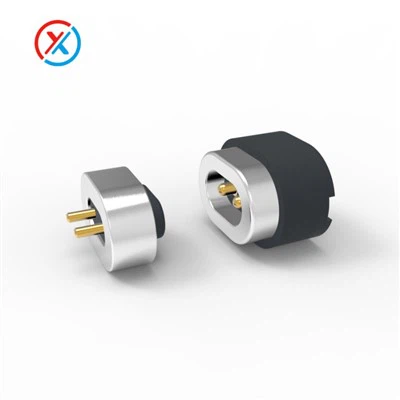
As a supplier of Electrical Pogo Pins, I've seen these nifty little connectors used in all sorts of electronic devices. They're super handy, but like anything else, they've got their fair share of drawbacks. Let's dive into what those disadvantages are.
1. Wear and Tear
One of the biggest issues with Electrical Pogo Pins is wear and tear. These pins are constantly moving in and out of their sockets, and over time, this repeated motion can cause the tips to wear down. When the tips wear, the electrical connection can become less reliable. You might start to experience intermittent connections, which is a real pain in the neck for both manufacturers and end - users.
The constant friction between the pin and the socket also means that the plating on the pins can get damaged. For example, if the pins are gold - plated for better conductivity, the gold can start to flake off. This not only affects the electrical performance but can also lead to corrosion over time. Corrosion further degrades the connection quality, and in some cases, it can even cause the pin to fail completely.
2. Limited Lifespan
Due to the wear and tear, Electrical Pogo Pins have a limited lifespan. Each pin is rated for a certain number of insertion and extraction cycles. Once you hit that limit, the pin's performance starts to decline. For high - use applications, this can be a major problem.
Let's say you're using these pins in a test fixture where the pins are being connected and disconnected hundreds or even thousands of times a day. The pins will reach their cycle limit much faster than in a less - used device. This means that you'll have to replace the pins more frequently, which can add to the overall cost of production.
3. Cost
Electrical Pogo Pins can be relatively expensive, especially when compared to other types of connectors. The manufacturing process for these pins is complex, and they often require high - quality materials to ensure good electrical performance.
The cost of the raw materials, such as the metal for the pin and the plating, can be significant. Additionally, the precision manufacturing required to make the pins to the right specifications adds to the cost. For small - scale manufacturers or those on a tight budget, the cost of using Electrical Pogo Pins can be a deterrent.
4. Sensitivity to Contamination
These pins are very sensitive to contamination. Even a small amount of dust, dirt, or debris can disrupt the electrical connection. When contaminants get between the pin and the socket, they can act as an insulator, preventing the flow of electricity.
In a manufacturing environment, where there's a lot of dust and debris, this can be a major problem. It might require additional cleaning and maintenance steps to keep the pins in good working condition. And if the pins are used in an outdoor or harsh environment, the risk of contamination is even higher.
5. Size and Space Constraints
Electrical Pogo Pins can take up a relatively large amount of space, especially when compared to other types of connectors. This can be a problem in devices where space is at a premium, such as smartphones or wearables.
The size of the pins also limits the number of pins that can be used in a given area. If you need a high - density connection, you might find that Electrical Pogo Pins aren't the best option. You might have to look for other types of connectors that can provide a more compact solution.


6. Alignment Issues
Proper alignment is crucial for the effective operation of Electrical Pogo Pins. If the pins aren't aligned correctly with the sockets, it can lead to poor electrical connections or even damage to the pins.
In some cases, the alignment can be affected by factors such as vibrations or mechanical stress. For example, if a device is subjected to a lot of vibrations during use, the pins might shift out of alignment. This can be a real headache for manufacturers, as they need to ensure that the pins are properly aligned during the assembly process.
7. Compatibility Problems
There can be compatibility issues when using Electrical Pogo Pins with different types of devices or systems. The pins need to be compatible with the voltage, current, and signal requirements of the device. If the pins aren't compatible, it can lead to electrical problems or even damage to the device.
For example, if a pin is rated for a certain maximum current and the device tries to draw more current than the pin can handle, it can cause the pin to overheat and fail. This means that careful consideration needs to be given to the compatibility of the pins with the specific application.
Conclusion
Despite these disadvantages, Electrical Pogo Pins are still widely used in many electronic applications. They offer a reliable and convenient way to make electrical connections, especially in situations where a temporary or repeated connection is required.
If you're considering using Electrical Pogo Pins in your project, it's important to weigh the pros and cons carefully. You need to consider factors such as the expected lifespan, cost, and the environment in which the pins will be used.
If you have any questions about Female Pogo Pin or Spring Loaded Pogo Pins, or if you're interested in purchasing these products, feel free to reach out. We're here to help you make the best decision for your project.
References
- General knowledge about electrical connectors and their performance characteristics.
- Industry reports on the use and limitations of Electrical Pogo Pins.