What are the minimum order quantities of a pogo pin manufacturer?
In the dynamic landscape of electronic component manufacturing, pogo pins have emerged as a crucial element, facilitating reliable electrical connections in a wide range of devices. As a pogo pin manufacturer, one of the most frequently asked questions from potential customers is about the minimum order quantities (MOQs). Understanding the concept of MOQs and their implications is essential for both manufacturers and buyers, as it can significantly impact the cost, production process, and overall business relationship.
Understanding Minimum Order Quantities
The minimum order quantity refers to the smallest number of units that a manufacturer is willing to produce or sell in a single order. MOQs are set by manufacturers to ensure that the production process is economically viable. Producing small quantities can be inefficient and costly due to setup costs, tooling expenses, and the need to allocate resources for a limited number of units. By setting a minimum order quantity, manufacturers can cover these costs and maintain a reasonable profit margin.
For a pogo pin manufacturer, the MOQ can vary depending on several factors. These factors include the complexity of the pogo pin design, the materials used, the production volume, and the customer's specific requirements. For instance, a simple pogo pin design with standard materials may have a lower MOQ compared to a custom-designed pogo pin with specialized materials and unique features.
Factors Influencing MOQs
-
Design Complexity
The complexity of the pogo pin design plays a significant role in determining the MOQ. A standard pogo pin with a simple structure and basic functionality can be produced more efficiently and at a lower cost. As a result, the MOQ for such pins is usually relatively low. On the other hand, custom-designed pogo pins with intricate shapes, special coatings, or advanced features require more time, effort, and specialized equipment to manufacture. This increases the production cost and, consequently, the MOQ. -
Materials Used
The choice of materials also affects the MOQ. Pogo pins can be made from a variety of materials, including different metals and alloys. Some materials are more expensive or harder to source than others. For example, using high-quality, corrosion-resistant materials may increase the cost of production, leading to a higher MOQ. Additionally, if a customer requests a specific material that is not commonly used in the manufacturing process, the manufacturer may need to incur additional costs to source and work with that material, which can also impact the MOQ. -
Production Volume
The overall production volume of the manufacturer can influence the MOQ. A manufacturer with a large production capacity may be able to offer lower MOQs because they can spread the fixed costs over a larger number of units. Conversely, a smaller manufacturer may have higher MOQs to cover their costs and ensure profitability. -
Customer Requirements
Customer requirements, such as specific packaging, labeling, or testing, can also affect the MOQ. If a customer requests special packaging or additional testing procedures, the manufacturer may need to allocate additional resources and incur extra costs. This can result in a higher MOQ to compensate for these expenses.
Typical MOQs for Pogo Pins
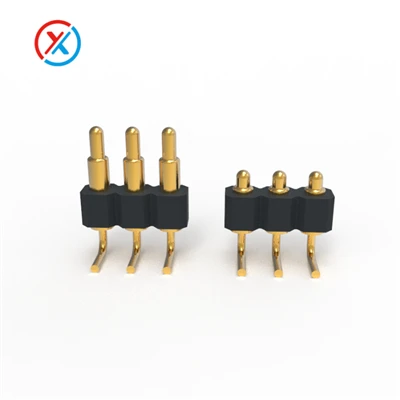
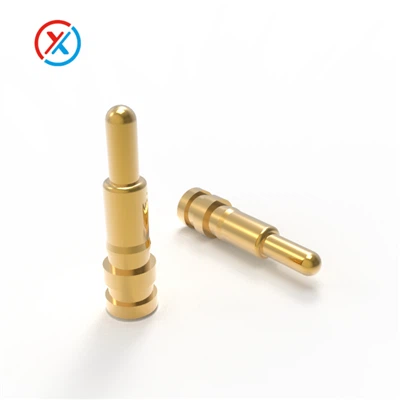
In general, the MOQ for standard pogo pins can range from a few hundred to a few thousand units. For example, a basic Spring Loaded Pins with common specifications may have an MOQ of around 500 - 1000 units. These pins are often used in mass-produced electronic devices, and manufacturers can produce them in relatively large quantities to meet market demand.
For more specialized pogo pins, such as Soldering Pogo Pins DC 3A or Pogo Pin High Current 15A, the MOQ may be higher, typically starting from 1000 - 5000 units. These pins are designed for specific applications that require higher current-carrying capacity or more precise electrical performance, and the production process may be more complex.
Custom-designed pogo pins, which are tailored to the unique needs of a customer, often have the highest MOQs. Depending on the complexity of the design and the materials used, the MOQ for custom pogo pins can range from 5000 units to tens of thousands of units. This is because custom designs require more upfront investment in tooling, prototyping, and testing.


Benefits of Meeting the MOQ
Meeting the minimum order quantity can offer several benefits for both the manufacturer and the customer. For the manufacturer, a higher order quantity allows them to optimize the production process, reduce per-unit costs, and improve efficiency. This can lead to higher profit margins and a more stable business operation.
For the customer, meeting the MOQ can result in cost savings. Manufacturers often offer volume discounts for larger orders, which can significantly reduce the cost per unit. Additionally, a larger order quantity can ensure a more consistent supply of pogo pins, reducing the risk of production delays due to shortages.
Negotiating the MOQ
In some cases, customers may be able to negotiate the MOQ with the manufacturer. This is especially true if the customer has a long-term relationship with the manufacturer or if they are willing to commit to future orders. Manufacturers may be willing to lower the MOQ if they see the potential for continued business and a mutually beneficial partnership.
When negotiating the MOQ, it is important for the customer to clearly communicate their needs and expectations. They should also be prepared to provide information about their projected usage, the application of the pogo pins, and any specific requirements. This can help the manufacturer understand the customer's situation and make a more informed decision about the MOQ.
The Role of Pogo Pin Soldering
Pogo pin soldering is an important aspect of the pogo pin manufacturing process. Pogo Pin Soldering ensures a reliable electrical connection between the pogo pin and the circuit board. The quality of the soldering can affect the performance and durability of the pogo pin.
When setting the MOQ, manufacturers also need to consider the soldering process. If a customer requires a specific soldering technique or quality standard, the manufacturer may need to invest in additional equipment or training. This can increase the production cost and, in turn, the MOQ.
Conclusion
The minimum order quantities of a pogo pin manufacturer are influenced by various factors, including design complexity, materials used, production volume, and customer requirements. Understanding these factors is crucial for both manufacturers and customers to make informed decisions. While MOQs can sometimes pose challenges for customers, they also offer benefits such as cost savings and a more stable supply.
If you are interested in purchasing pogo pins and have questions about the minimum order quantities or other aspects of our products, we encourage you to reach out to us. Our team of experts is ready to assist you in finding the right pogo pins for your application and to discuss the best options for your business. Contact us today to start the procurement process and explore the possibilities of working together.
References
- Electronic Component Manufacturing Handbook
- Industry Reports on Pogo Pin Production and Market Trends