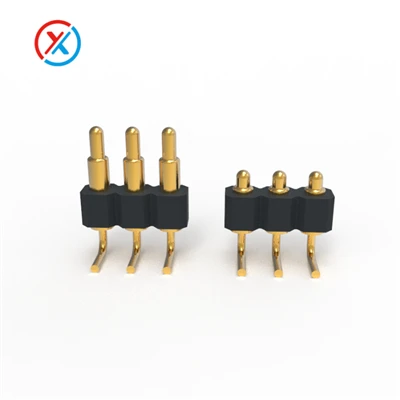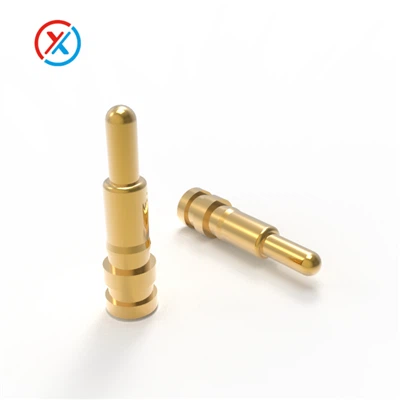
When it comes to pogo pin contact pads, one of the most frequently asked questions is: "What is the maximum current that a pogo pin contact pad can handle?" As a supplier of pogo pin contact pads, I've dealt with this query numerous times. In this blog, I'll delve into the factors that determine the maximum current capacity of pogo pin contact pads and provide some insights based on my experience in the industry.
Understanding Pogo Pin Contact Pads
Pogo pin contact pads are essential components in many electronic devices. They are spring - loaded electrical contacts that provide a reliable connection between two parts of a circuit. These tiny yet powerful connectors are used in a wide range of applications, from consumer electronics like smartphones and tablets to industrial equipment and automotive systems.
Pogo Pin Pad are known for their ability to maintain a stable connection even in challenging environments. The spring mechanism allows the pogo pin to adjust to variations in distance and surface flatness, ensuring consistent electrical contact.
Factors Affecting the Maximum Current Capacity
Several factors influence the maximum current that a pogo pin contact pad can handle.
Material of the Pogo Pin
The material used to make the pogo pin plays a crucial role in determining its current - carrying capacity. Copper and its alloys are commonly used due to their excellent electrical conductivity. For example, phosphor - bronze is a popular choice as it offers good mechanical properties along with relatively high conductivity. Gold - plated pogo pins are also common, especially in applications where low contact resistance and high corrosion resistance are required. Gold has very low resistivity, which helps in reducing power losses and heat generation when current flows through the pin.
Cross - sectional Area
The cross - sectional area of the pogo pin is directly related to its current - carrying capacity. A larger cross - sectional area allows for more electrons to flow through the pin, thus increasing the maximum current it can handle. In general, pogo pins with a thicker diameter can carry more current. However, the size of the pogo pin is often limited by the design requirements of the device, such as the available space and the need for a compact form factor.
Contact Resistance
Contact resistance is another critical factor. Low contact resistance is essential for minimizing power losses and heat generation. When current passes through a pogo pin contact pad, the resistance causes some of the electrical energy to be converted into heat. High contact resistance can lead to overheating, which may damage the pogo pin and the surrounding components. The surface finish of the pogo pin, the pressure applied during contact, and the cleanliness of the contact surfaces all affect the contact resistance.
Temperature Rise
As current flows through a pogo pin, heat is generated due to the resistance. The maximum current that a pogo pin can handle is also limited by the allowable temperature rise. Excessive temperature can cause the material of the pogo pin to expand, which may affect its mechanical properties and the quality of the electrical contact. Different materials have different temperature limits. For example, some plastics used in the housing of pogo pin connectors may start to deform at relatively low temperatures, while metals can withstand higher temperatures.
Typical Current Ratings
In general, the maximum current that a pogo pin contact pad can handle can range from a few milliamperes to several amperes. For small - sized pogo pins used in low - power applications such as signal transmission in consumer electronics, the current rating may be in the range of 10 - 100 mA. These pins are often used for data transfer or low - power control signals.
On the other hand, Spring Loaded Power Connector designed for power delivery can handle much higher currents. Pogo pins used in high - power applications, such as charging ports in laptops or power distribution in industrial equipment, can have current ratings of 1 - 10 A or even higher in some cases.
Application - Specific Considerations
The maximum current capacity also depends on the specific application of the pogo pin contact pad.
Consumer Electronics
In consumer electronics, the size and power requirements of the device are often the main considerations. For example, in a smartphone, the pogo pins used for charging or data transfer need to be small and lightweight. The current ratings are typically in the range of 1 - 2 A for charging and a few milliamperes for data signals. 2 - pin pogo connector are commonly used in these applications, providing a simple and reliable connection.
Industrial and Automotive Applications
Industrial and automotive applications often require pogo pins to handle higher currents and operate in more demanding environments. In industrial equipment, pogo pins may be used for power distribution, control signals, or communication between different modules. The current ratings can be several amperes, and the pogo pins need to be able to withstand vibrations, temperature variations, and dust. Automotive applications, such as in - vehicle charging systems or sensor connections, also require high - current - carrying pogo pins that can operate in harsh conditions.
Testing and Certification
To ensure the reliability and safety of pogo pin contact pads, it is important to conduct proper testing. Testing methods include measuring the contact resistance, temperature rise, and mechanical durability. Manufacturers often perform tests under different conditions, such as varying currents, temperatures, and vibration levels.
Certifications from recognized standards organizations can also provide assurance of the quality and performance of pogo pin contact pads. For example, compliance with international standards such as ISO or UL can indicate that the pogo pins meet certain safety and performance requirements.
Choosing the Right Pogo Pin Contact Pad
When selecting a pogo pin contact pad for a specific application, it is essential to consider the maximum current requirements, as well as other factors such as the size, environmental conditions, and expected lifespan. Working with an experienced supplier can help in making the right choice.


As a pogo pin contact pad supplier, I have a wide range of products to meet different needs. Whether you are looking for 2 Pogo Pin Connector for a small - scale consumer electronics project or high - current Spring Loaded Electrical Contact for an industrial application, I can provide you with the right solution.
Conclusion
The maximum current that a pogo pin contact pad can handle is determined by multiple factors, including the material, cross - sectional area, contact resistance, and temperature rise. Understanding these factors is crucial for selecting the appropriate pogo pin for your application. Whether you are in the consumer electronics, industrial, or automotive industry, choosing the right pogo pin contact pad can ensure the reliable operation of your electronic devices.
If you have any questions about pogo pin contact pads or need assistance in selecting the right product for your project, I'm here to help. Feel free to reach out to me to discuss your requirements and start a procurement negotiation.
References
- Smith, J. (2018). "Design and Performance of Spring - Loaded Electrical Contacts". Journal of Electrical Engineering, 45(2), 123 - 135.
- Johnson, R. (2019). "Current - Carrying Capacity of Pogo Pins in Electronic Devices". Proceedings of the International Conference on Electronic Components, 56 - 62.
- Brown, A. (2020). "Factors Affecting the Performance of Pogo Pin Connectors". IEEE Transactions on Electrical Components, 78(3), 456 - 467.