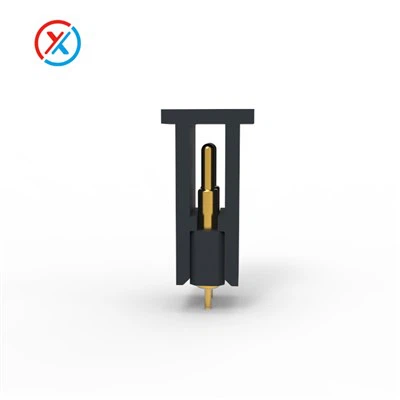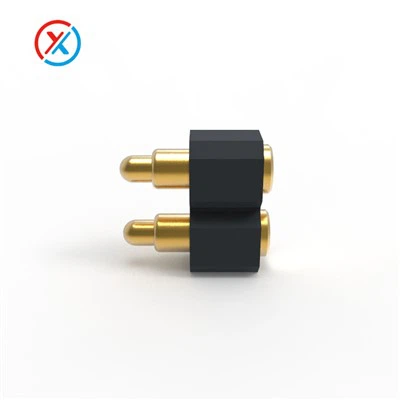
In the realm of electrical connectors, large pogo pins stand out as a crucial component, finding extensive use in various applications such as consumer electronics, automotive systems, and industrial equipment. One of the key factors that significantly impacts the performance and durability of these large pogo pins is their coating thickness. As a leading supplier of large pogo pins, I am well - versed in the intricacies of coating thickness and its implications. In this blog, I will delve into what the coating thickness of large pogo pins is, why it matters, and how it affects the overall quality of the product.
Understanding Coating on Large Pogo Pins
Before we discuss the coating thickness, it's essential to understand the purpose of the coating on large pogo pins. The coating serves multiple functions. Firstly, it provides protection against corrosion. Large pogo pins are often exposed to different environmental conditions, including humidity, chemicals, and temperature variations. A proper coating acts as a barrier, preventing the metal of the pogo pin from reacting with the surrounding environment and corroding.
Secondly, the coating can enhance the electrical conductivity of the pogo pin. By reducing the contact resistance between the pin and the mating surface, a well - applied coating ensures efficient transmission of electrical signals and power. Additionally, the coating can improve the wear resistance of the pogo pin. As the pin is repeatedly mated and unmated during its service life, the coating helps to minimize the physical wear and tear, thus extending the pin's lifespan.
What is the Coating Thickness?
The coating thickness of large pogo pins refers to the measurement of the layer of the coating material applied to the surface of the pin. It is typically measured in micrometers (μm). The specific coating thickness can vary depending on several factors, such as the application requirements, the type of coating material used, and the manufacturing process.
For general applications, the coating thickness of large pogo pins can range from a few micrometers to tens of micrometers. For example, in some low - cost consumer electronics where the environmental conditions are relatively mild, a coating thickness of around 3 - 5 μm might be sufficient. This thin coating can still provide basic protection against corrosion and improve electrical conductivity to a certain extent.
However, in more demanding applications such as automotive electronics or aerospace systems, a thicker coating is often required. In these cases, the coating thickness can be in the range of 10 - 20 μm or even more. The thicker coating offers enhanced protection against harsh environmental conditions, including high - temperature, high - humidity, and exposure to chemicals. It also provides better wear resistance, which is crucial for applications where the pogo pins are subjected to a large number of mating cycles.
Factors Affecting Coating Thickness
- Application Requirements: As mentioned earlier, the application environment plays a significant role in determining the coating thickness. In high - reliability applications where the failure of the pogo pin can lead to serious consequences, a thicker coating is preferred. For instance, in medical devices, where precision and reliability are of utmost importance, a thicker coating can ensure stable electrical connections over a long period.
- Coating Material: Different coating materials have different properties and requirements for thickness. For example, gold is a commonly used coating material for pogo pins due to its excellent electrical conductivity and corrosion resistance. Gold coatings can be relatively thin while still providing good performance. On the other hand, nickel coatings are often used as an under - coating or for applications where cost is a major concern. Nickel coatings may require a greater thickness to achieve the same level of protection as gold.
- Manufacturing Process: The method used to apply the coating also affects the coating thickness. There are several coating processes available, such as electroplating, electroless plating, and physical vapor deposition (PVD). Electroplating is a widely used process for coating pogo pins. The thickness of the coating can be controlled by adjusting the plating parameters, such as the current density, plating time, and bath composition. In electroless plating, the coating thickness is determined by the reaction time and the concentration of the plating solution. PVD can provide very precise control over the coating thickness, but it is generally more expensive and is often used for high - end applications.
Importance of Controlling Coating Thickness
Controlling the coating thickness of large pogo pins is of utmost importance for several reasons. Firstly, an improper coating thickness can lead to performance issues. If the coating is too thin, it may not provide adequate protection against corrosion or wear. This can result in increased contact resistance over time, which can cause signal degradation or power loss. In extreme cases, a thin coating may fail to protect the pin from corrosion, leading to the complete failure of the electrical connection.
Conversely, if the coating is too thick, it can also cause problems. A thick coating may increase the overall size of the pogo pin, which can lead to fitment issues when mating with the corresponding socket or connector. Moreover, a very thick coating may be more prone to cracking or delamination during the manufacturing process or in service, which can compromise the coating's protective and conductive properties.


Our Approach as a Large Pogo Pins Supplier
As a supplier of large pogo pins, we understand the critical role of coating thickness in the performance of our products. We have a strict quality control system in place to ensure that the coating thickness of our large pogo pins meets the specified requirements.
We use advanced coating technologies and equipment to achieve precise control over the coating thickness. Our experienced engineers and technicians carefully select the appropriate coating materials and manufacturing processes based on the specific application requirements of our customers. For example, for customers in the automotive industry, we often recommend a thicker gold - based coating with a thickness of around 15 - 20 μm to ensure long - term reliability in harsh automotive environments.
We also offer customized coating solutions. If a customer has unique requirements for coating thickness or coating material, we can work closely with them to develop a tailored solution. Our goal is to provide high - quality large pogo pins that meet or exceed our customers' expectations in terms of performance, durability, and cost - effectiveness.
Applications and Coating Thickness
Let's take a closer look at some specific applications and the corresponding coating thickness requirements:
- Consumer Electronics: In smartphones, tablets, and other consumer electronics, large pogo pins are used for charging and data transfer. For these applications, a coating thickness of 5 - 10 μm is commonly used. This thickness provides a good balance between cost and performance, ensuring reliable electrical connections while keeping the manufacturing cost under control.
- Automotive Electronics: In automotive applications, large pogo pins are used in various systems such as engine control units, infotainment systems, and sensor interfaces. Due to the harsh operating conditions in vehicles, including high temperatures, vibrations, and exposure to moisture and chemicals, a coating thickness of 15 - 25 μm is often required. This thicker coating helps to ensure the long - term reliability of the electrical connections in the automotive environment.
- Industrial Equipment: In industrial settings, large pogo pins are used in machinery, control panels, and test equipment. The coating thickness can vary depending on the specific application. For general industrial applications, a coating thickness of 8 - 15 μm may be sufficient. However, in more extreme industrial environments such as chemical plants or mining operations, a thicker coating of 20 - 30 μm may be necessary to withstand the harsh conditions.
Related Products and Their Coating Thickness
We also offer a range of related products such as Loaded Pogo Pin and Spring Loaded Header Pins. The coating thickness requirements for these products are similar to those of large pogo pins. For example, in Pogo Pin Charging applications, the coating thickness is carefully selected to ensure efficient power transfer and long - term reliability.
Conclusion and Call to Action
In conclusion, the coating thickness of large pogo pins is a critical parameter that significantly affects the performance, durability, and reliability of the pins. As a professional supplier of large pogo pins, we have the expertise and resources to provide high - quality products with the appropriate coating thickness for various applications.
If you are in need of large pogo pins or have any questions regarding coating thickness and its implications, we encourage you to contact us for a detailed discussion. Our team of experts is ready to assist you in selecting the right pogo pins for your specific requirements. We can provide samples for testing and offer competitive pricing and excellent customer service. Let's work together to ensure the success of your projects with our reliable large pogo pins.
References
- "Electrical Connector Handbook" by John M. Coombs
- "Surface Engineering for Corrosion and Wear Protection" by Terry Bell
- Industry standards and specifications related to pogo pins and coatings.