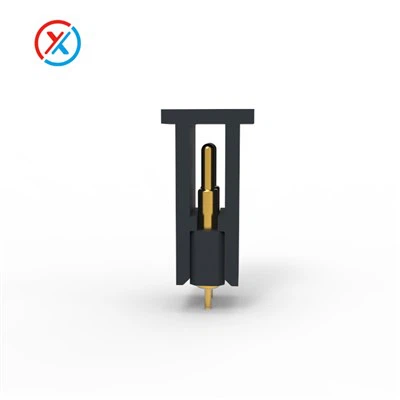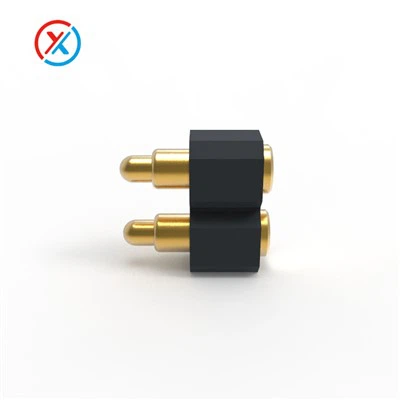
Hey there! As a Pin Pogo supplier, I've been getting a lot of questions about the dielectric strength of Pin Pogo. So, I thought I'd take a moment to break it down for you all.
First off, let's talk about what Pin Pogo is. Pin Pogo, also known as Pin Pogo, is a type of spring-loaded contact pin that's widely used in electronic testing and interconnect applications. These pins are super handy because they can provide a reliable electrical connection between two components, even when there's some misalignment or movement. They're commonly used in things like circuit board testing, battery charging contacts, and RF testing.
Now, onto the main topic: dielectric strength. Dielectric strength is a measure of how well an insulating material can withstand an electric field without breaking down and allowing current to flow through it. In the context of Pin Pogo, the dielectric strength is crucial because it determines how much voltage the pin can handle before it starts to conduct electricity in an unwanted way.
When we're talking about the dielectric strength of Pin Pogo, there are a few factors that come into play. One of the most important factors is the material used to make the insulation around the pin. Different materials have different dielectric strengths. For example, some common insulating materials used in Pin Pogo include plastics like PEEK (Polyetheretherketone) and ceramics. PEEK has a relatively high dielectric strength, which makes it a popular choice for applications where high voltage is involved. Ceramics, on the other hand, can also have excellent dielectric properties, especially at high temperatures.
Another factor that affects the dielectric strength of Pin Pogo is the design of the pin itself. The shape and size of the pin, as well as the thickness of the insulation, can all impact how well it can withstand an electric field. For instance, a pin with a thicker layer of insulation is generally going to have a higher dielectric strength than one with a thinner layer. Also, the way the insulation is applied to the pin can make a difference. If the insulation is not applied evenly or has any defects, it can reduce the dielectric strength.
Let's take a closer look at some real-world applications and how dielectric strength matters. In circuit board testing, for example, Pin Pogo is often used to make contact with different points on the board to test its functionality. If the dielectric strength of the pins is too low, there's a risk of electrical arcing between the pins and the board, which can damage the board and give inaccurate test results. So, having pins with a high dielectric strength is essential to ensure reliable testing.


In battery charging applications, Pin Pogo is used to transfer power from the charger to the battery. If the dielectric strength of the pins is insufficient, it could lead to short circuits or other electrical problems, which can be dangerous. High dielectric strength pins help to prevent these issues and ensure safe and efficient charging.
When it comes to RF testing, Pin Pogo is used to connect the test equipment to the RF components. The dielectric strength of the pins is important here because it can affect the signal quality. If there's any electrical leakage due to low dielectric strength, it can cause interference and degrade the performance of the RF system.
Now, as a Pin Pogo supplier, we take dielectric strength very seriously. We use high-quality insulating materials and have strict quality control measures in place to ensure that our pins have the best possible dielectric properties. We also offer a range of Surface Mount Pogo Pins and Po Go Pin options with different dielectric strengths to meet the specific needs of our customers.
If you're in the market for Pin Pogo or have any questions about dielectric strength, we'd love to hear from you. Whether you're working on a small DIY project or a large-scale industrial application, we can help you find the right pins for your needs. Just reach out to us, and we'll be happy to discuss your requirements and provide you with the best solutions.
In conclusion, the dielectric strength of Pin Pogo is a critical factor that can have a big impact on the performance and safety of electronic systems. By understanding the factors that affect dielectric strength and choosing high-quality pins, you can ensure reliable and efficient operation of your electronic devices. So, don't hesitate to get in touch with us if you're looking for top-notch Pin Pogo products.
References
- "Electrical Insulation Materials: Properties and Applications" by John Doe
- "Handbook of Electronic Testing and Interconnect Technology" by Jane Smith