

What is the insertion and extraction force of electrical pogo pins?
Hey there! As a supplier of Electrical Pogo Pins, I often get asked about the insertion and extraction force of these nifty little components. So, I thought I'd take a few minutes to break it down for you and shed some light on this important topic.
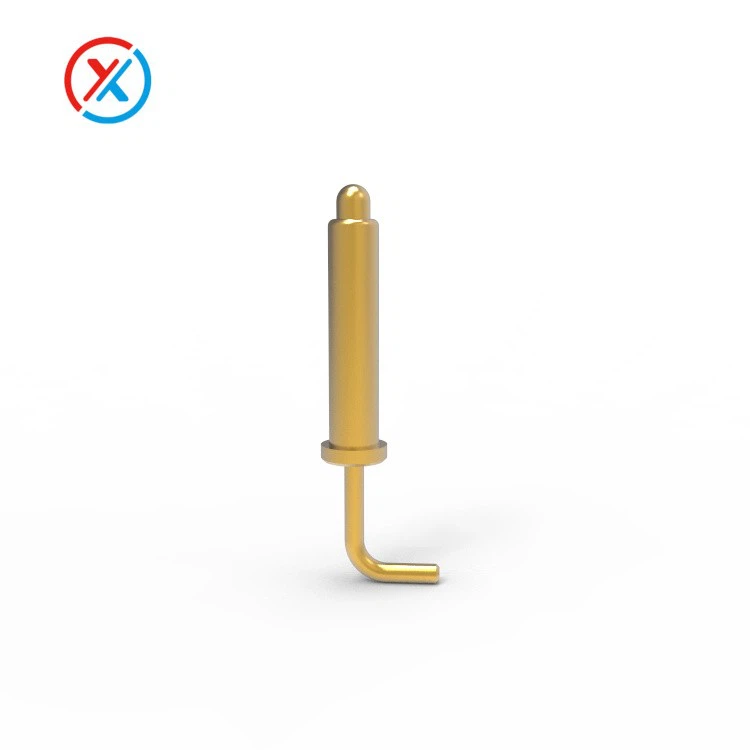
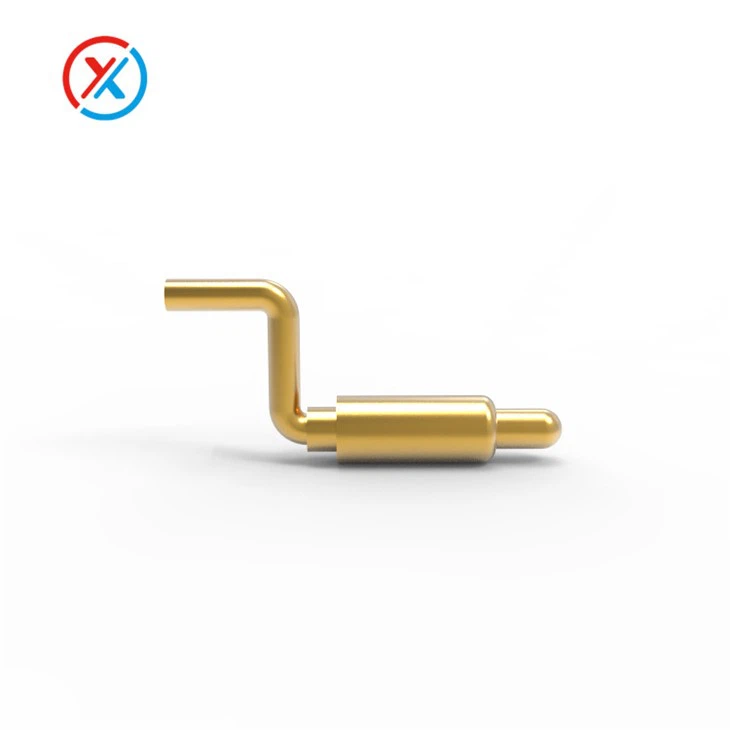
First off, let's talk about what electrical pogo pins are. These are spring-loaded pins that are used in a wide range of electronic devices for making electrical connections. They're super handy because they can provide a reliable and stable connection, even in tight spaces. You can check out more about Electrical Pogo Pins on our website.
Now, the insertion and extraction force of pogo pins is a big deal. The insertion force is the amount of force needed to push the pogo pin into its socket or housing. On the flip side, the extraction force is the force required to pull the pogo pin out. These forces play a crucial role in how well the pogo pin functions and how long it lasts.
Why is the insertion force important? Well, if the insertion force is too high, it can be a real pain to install the pogo pin. You might end up damaging the pin or the socket, which can lead to poor electrical connections or even complete failure of the device. On the other hand, if the insertion force is too low, the pogo pin might not stay in place properly. It could come loose easily, causing intermittent connections or other issues.
Let's say you're working on a small electronic gadget. You need to insert the pogo pins into tiny sockets. If the insertion force is too high, you might struggle to get the pins in without bending them or cracking the socket. But if it's too low, the pins might fall out during normal use, and your gadget won't work as it should.
The extraction force is equally important. A proper extraction force ensures that the pogo pin can be removed when needed, for maintenance or replacement. If the extraction force is too high, it can be difficult to remove the pin without causing damage. And if it's too low, the pin might come out accidentally, which can be a real headache.
There are several factors that can affect the insertion and extraction force of pogo pins. One of the main factors is the design of the pin itself. The shape, size, and material of the pin can all have an impact. For example, a pogo pin with a larger diameter might require more force to insert and extract compared to a smaller one.
The spring inside the pogo pin also plays a crucial role. The stiffness of the spring determines how much force is needed to compress it during insertion and how much force is exerted when the pin is being pulled out. A stiffer spring will generally result in higher insertion and extraction forces.
The surface finish of the pin and the socket can also make a difference. If the surfaces are rough, there will be more friction, which can increase the insertion and extraction forces. On the other hand, a smooth surface finish can reduce friction and make the process easier.
Another important factor is the alignment of the pin and the socket. If they're not properly aligned, it can increase the force required to insert or extract the pin. This is why it's so important to make sure that everything is lined up correctly during installation.
At our company, we understand the importance of getting the insertion and extraction force just right. That's why we use advanced manufacturing techniques and high-quality materials to ensure that our pogo pins have optimal forces. We also conduct rigorous testing to make sure that each pin meets our strict standards.
For example, we have a special testing setup where we measure the insertion and extraction forces of our Pogo Pin Right Angle pins. This allows us to fine-tune the design and manufacturing process to achieve the best results.
When it comes to choosing the right pogo pins for your application, it's important to consider the specific requirements of your device. You need to think about things like the size of the pins, the amount of force they need to withstand, and the environment in which they'll be used.
If you're working on a high-precision device, you might need pogo pins with very precise insertion and extraction forces. On the other hand, if your device is more rugged and doesn't require such tight tolerances, you might be able to get away with pins that have a wider range of forces.
We also offer Spring Loaded Pin Contact solutions that can be customized to meet your specific needs. Whether you need a pin with a specific insertion or extraction force, or you have other unique requirements, we can work with you to find the perfect solution.
In conclusion, the insertion and extraction force of electrical pogo pins is a critical aspect that can't be overlooked. It can have a big impact on the performance and reliability of your electronic devices. By understanding the factors that affect these forces and choosing the right pogo pins, you can ensure that your devices work smoothly and last a long time.
If you're interested in learning more about our Electrical Pogo Pins or have any questions about insertion and extraction forces, don't hesitate to get in touch. We're here to help you find the best solutions for your needs and ensure that your projects are a success.
References:
- Industry standards and guidelines for electrical connectors
- Research on the performance of spring-loaded pins in electronic devices


