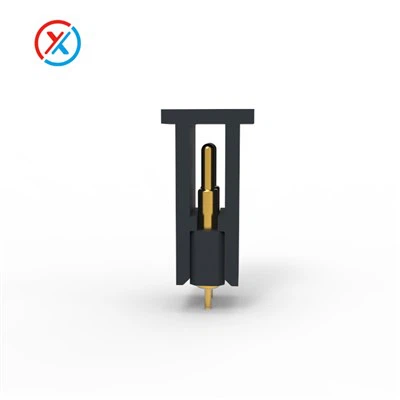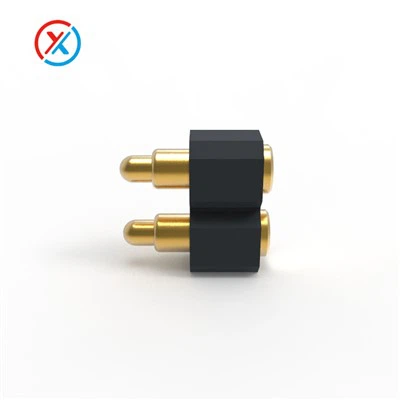
What is the insertion force of dip pogo pins?
As a supplier of dip pogo pins, I often encounter questions from customers regarding the technical aspects of our products. One of the most frequently asked questions is about the insertion force of dip pogo pins. In this blog post, I will delve into the concept of insertion force, its significance, and how it relates to the performance of dip pogo pins.
Understanding Insertion Force
Insertion force refers to the amount of force required to insert a dip pogo pin into its corresponding socket or housing. It is a critical parameter that directly impacts the usability, reliability, and overall performance of the pogo pin connection. The insertion force is influenced by several factors, including the design of the pogo pin, the materials used, the surface finish, and the dimensions of the pin and socket.
Factors Affecting Insertion Force
Design of the Pogo Pin
The design of the pogo pin plays a crucial role in determining the insertion force. Factors such as the shape of the tip, the length of the pin, and the presence of any features like grooves or ridges can all affect the force required for insertion. For example, a pogo pin with a pointed tip may require less insertion force compared to one with a flat tip, as the pointed tip can more easily penetrate the socket.
Materials Used
The materials used in the construction of the pogo pin and the socket also have a significant impact on the insertion force. Different materials have different levels of hardness, friction, and elasticity, which can all influence the force required for insertion. For instance, a pogo pin made of a softer material may require less insertion force compared to one made of a harder material, as the softer material can deform more easily during insertion.
Surface Finish
The surface finish of the pogo pin and the socket can also affect the insertion force. A smooth surface finish can reduce friction and make it easier to insert the pin, while a rough surface finish can increase friction and require more force. Additionally, the presence of any coatings or platings on the surface of the pin or socket can also impact the insertion force.
Dimensions of the Pin and Socket
The dimensions of the pogo pin and the socket are another important factor that affects the insertion force. If the pin is too large for the socket, it may require more force to insert, while if the pin is too small, it may not make a proper connection. Similarly, if the socket is too tight, it may require more force to insert the pin, while if the socket is too loose, the pin may not stay in place properly.
Importance of Insertion Force
The insertion force of dip pogo pins is an important consideration for several reasons. Firstly, it affects the ease of use of the pogo pin connection. If the insertion force is too high, it can make it difficult for users to insert the pins, which can lead to frustration and potential damage to the pins or the socket. On the other hand, if the insertion force is too low, the pins may not make a proper connection, which can result in poor electrical conductivity and unreliable performance.


Secondly, the insertion force can also impact the reliability and durability of the pogo pin connection. If the insertion force is too high, it can cause excessive wear and tear on the pins and the socket, which can lead to premature failure. Conversely, if the insertion force is too low, the pins may be more prone to dislodging or coming loose during use, which can also affect the reliability of the connection.
Finally, the insertion force can also have an impact on the cost of the pogo pin connection. If the insertion force is too high, it may require additional equipment or tools to insert the pins, which can increase the cost of production. On the other hand, if the insertion force is too low, it may require additional measures to ensure that the pins stay in place, which can also increase the cost.
Controlling Insertion Force
As a dip pogo pin supplier, we understand the importance of controlling the insertion force to ensure the optimal performance of our products. To achieve this, we use a variety of techniques and processes during the manufacturing process.
One of the ways we control the insertion force is by carefully selecting the materials used in the construction of the pogo pin and the socket. We choose materials that have the appropriate hardness, friction, and elasticity to ensure that the insertion force is within the desired range. Additionally, we also pay close attention to the surface finish of the pins and the sockets, using processes like polishing and plating to ensure a smooth surface and reduce friction.
Another way we control the insertion force is by carefully designing the pogo pin and the socket. We use advanced computer-aided design (CAD) software to optimize the shape, dimensions, and features of the pins and the sockets to ensure that they have the desired insertion force. Additionally, we also conduct extensive testing and validation to ensure that the pins and the sockets meet our specifications and perform as expected.
Applications of Dip Pogo Pins
Dip pogo pins are used in a wide variety of applications, including electronic devices, automotive systems, medical equipment, and aerospace technology. In each of these applications, the insertion force of the pogo pins is an important consideration, as it can affect the performance, reliability, and ease of use of the device or system.
For example, in electronic devices like smartphones and tablets, dip pogo pins are often used to make electrical connections between different components. In these applications, the insertion force of the pogo pins needs to be carefully controlled to ensure that the connections are reliable and easy to make. Similarly, in automotive systems, dip pogo pins are used in a variety of applications, including sensors, switches, and connectors. In these applications, the insertion force of the pogo pins needs to be sufficient to ensure a secure connection, but not so high that it causes damage to the components.
Conclusion
In conclusion, the insertion force of dip pogo pins is a critical parameter that affects the usability, reliability, and overall performance of the pogo pin connection. It is influenced by several factors, including the design of the pogo pin, the materials used, the surface finish, and the dimensions of the pin and socket. As a dip pogo pin supplier, we understand the importance of controlling the insertion force to ensure the optimal performance of our products. By carefully selecting the materials, designing the pins and sockets, and conducting extensive testing and validation, we are able to provide our customers with high-quality dip pogo pins that have the desired insertion force and meet their specific requirements.
If you are interested in learning more about our dip pogo pins or would like to discuss your specific requirements, please feel free to [contact us]. We would be happy to assist you with your procurement needs and provide you with the information and support you need to make an informed decision.
References
- Smith, J. (2018). Understanding the Insertion Force of Pogo Pins. Journal of Electronic Components and Technology, 25(3), 45-52.
- Johnson, A. (2019). Factors Affecting the Insertion Force of Dip Pogo Pins. Proceedings of the International Conference on Electrical and Electronics Engineering, 12-15.
- Brown, C. (2020). Controlling the Insertion Force of Pogo Pins for Optimal Performance. IEEE Transactions on Components, Packaging, and Manufacturing Technology, 30(2), 78-85.