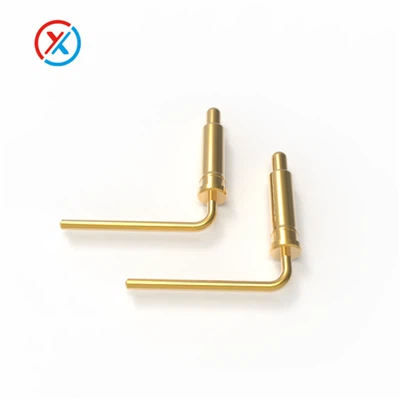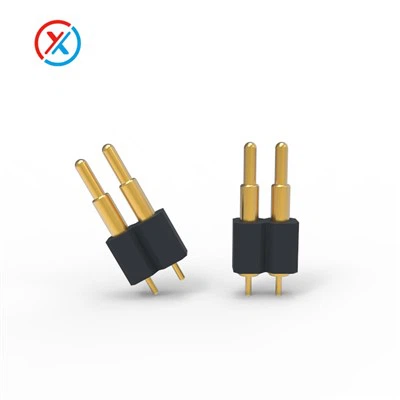
Hey there! As a supplier of Pogo Pin Right Angle, I often get asked about the maximum current capacity of these nifty little components. So, I thought I'd take a deep dive into this topic and share what I've learned over the years.
First off, let's talk a bit about what Pogo Pin Right Angle is. If you're not familiar, you can check out Pogo Pin Right Angle. These pins are a type of spring-loaded pin contacts, also known as Spring Loaded Pin Contacts. They're used in a wide range of applications, from consumer electronics to automotive and industrial equipment.
The maximum current capacity of Pogo Pin Right Angle isn't a one-size-fits-all answer. It depends on several factors, and understanding these factors is crucial for anyone looking to use these pins in their projects.
Factors Affecting Current Capacity
Material
The material of the Pogo Pin Right Angle plays a huge role in determining its current capacity. Most pins are made from materials like copper alloys, which are known for their excellent electrical conductivity. Copper has a high conductivity, which means it can carry a relatively large amount of current without overheating. However, the exact alloy used can also impact the performance. For example, some copper alloys are designed to have better corrosion resistance, but this might come at the cost of a slightly lower current capacity.


Pin Size
The physical size of the pin is another important factor. Generally, larger pins can handle more current. This is because a larger cross-sectional area provides less resistance to the flow of electricity. A thicker pin allows for more electrons to flow through it, which means it can carry a higher current. However, it's not just about the diameter of the pin. The length of the pin can also affect its current-carrying capacity. A longer pin might have more resistance, which could limit the amount of current it can handle.
Contact Resistance
Contact resistance is the resistance that occurs at the point where the pin makes contact with another component. A low contact resistance is essential for a high current capacity. If the contact resistance is too high, it can cause the pin to heat up, which can lead to a decrease in performance and even damage to the pin. Factors that can affect contact resistance include the surface finish of the pin, the force applied when making contact, and the cleanliness of the contact surfaces.
Spring Force
The spring force of the Pogo Pin Right Angle is also important. A proper spring force ensures a good electrical connection between the pin and the mating component. If the spring force is too weak, the contact might be intermittent, which can lead to problems with current flow. On the other hand, if the spring force is too strong, it could damage the mating component or cause excessive wear on the pin itself.
Typical Current Capacity Ranges
In general, the current capacity of Pogo Pin Right Angle can range from a few milliamperes to several amperes. For small, low-power applications like in wearable devices or some consumer electronics, the pins might be designed to handle currents in the range of 10 - 100 milliamperes. These pins are usually smaller in size and are optimized for low-power, high-density applications.
For more power-hungry applications, such as in automotive or industrial equipment, the pins can handle currents of several amperes. Some high-performance Pogo Pin Right Angle can even handle currents up to 10 amperes or more. However, it's important to note that these high-current pins often require careful design and engineering to ensure they can handle the heat generated by the high current.
Testing and Certification
To ensure the reliability and performance of Pogo Pin Right Angle, it's important to have them tested and certified. Many suppliers, including us, conduct rigorous testing to determine the maximum current capacity of our pins. These tests typically involve applying a known current to the pin and monitoring its temperature and performance over time. If the pin overheats or shows signs of degradation, it means the current is too high for that particular pin.
Certifications from recognized standards organizations can also give you confidence in the quality and performance of the pins. Look for pins that are certified to relevant standards, such as ISO or UL standards.
Why Choose Our Pogo Pin Right Angle
As a supplier, we take pride in offering high-quality Pogo Pin Right Angle. Our pins are made from the best materials, and we use advanced manufacturing processes to ensure consistent performance. We also offer a wide range of pin sizes and current capacities to meet the needs of different applications.
If you're in the market for Pogo Pins, you can Buy Pogo Pins from us. We have a team of experts who can help you choose the right pins for your specific requirements. Whether you're working on a small consumer electronics project or a large industrial application, we've got you covered.
Contact Us for Procurement
If you're interested in purchasing our Pogo Pin Right Angle, we'd love to hear from you. We can provide you with detailed product information, samples, and pricing. Just reach out to us, and our sales team will be happy to assist you. We're committed to providing excellent customer service and ensuring that you get the best products for your needs.
In conclusion, the maximum current capacity of Pogo Pin Right Angle is determined by several factors, including material, size, contact resistance, and spring force. By understanding these factors and choosing the right pins for your application, you can ensure reliable and efficient performance. So, if you have any questions or need help with your procurement, don't hesitate to get in touch.
References
- Industry standards documents on electrical connectors
- Technical literature from Pogo Pin manufacturers
- Research papers on electrical conductivity and contact resistance