In the dynamic world of electronic components, large pogo pins stand out as essential connectors, facilitating reliable electrical connections in a wide range of applications. As a leading supplier of large pogo pins, I often encounter inquiries regarding the minimum order quantity (MOQ). Understanding the factors influencing the MOQ is crucial for both our business and our customers. In this blog post, I will delve into the concept of MOQ for large pogo pins, exploring the reasons behind it, the variables that affect it, and how it impacts our customers.
What Are Large Pogo Pins?
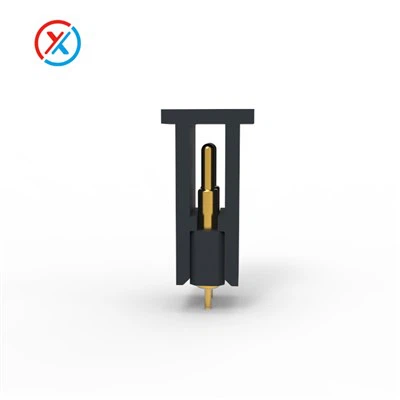
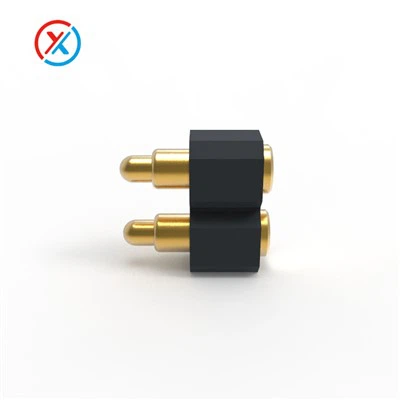
Before we dive into the minimum order quantity, let's briefly understand what large pogo pins are. Large pogo pins are spring-loaded pins used in electronic devices to establish a temporary or permanent electrical connection. They are commonly found in applications such as test fixtures, battery chargers, and high-power electrical systems. These pins are designed to provide a high current-carrying capacity, excellent durability, and reliable performance. You can explore our range of Large Pogo Pins to see the different types and specifications available.
Why Is There a Minimum Order Quantity?
The concept of a minimum order quantity is not unique to large pogo pins; it is a common practice in the manufacturing industry. There are several reasons why suppliers set an MOQ:
1. Cost Efficiency
Manufacturing large pogo pins involves various costs, including raw materials, labor, equipment, and overheads. Producing a small quantity of pins may not be cost-effective for the supplier as the fixed costs are spread over a limited number of units. By setting an MOQ, suppliers can ensure that the production run is large enough to cover these costs and achieve economies of scale. This allows us to offer competitive pricing to our customers while maintaining profitability.
2. Production Setup
Each production run requires setup time and resources. The machinery needs to be calibrated, tools need to be prepared, and quality control measures need to be established. These setup costs are independent of the order quantity. Therefore, a larger order quantity helps to amortize these setup costs over a greater number of units, making the production process more efficient.
3. Inventory Management
Maintaining an inventory of raw materials and finished products is essential for ensuring timely delivery to customers. However, holding inventory also incurs costs such as storage, insurance, and obsolescence. By setting an MOQ, suppliers can better manage their inventory levels and reduce the risk of overstocking or understocking. This helps to optimize the supply chain and ensure a stable production flow.
Factors Affecting the Minimum Order Quantity
The minimum order quantity for large pogo pins can vary depending on several factors:
1. Pin Design and Complexity
The design and complexity of the pogo pin play a significant role in determining the MOQ. Pins with unique features, special materials, or intricate geometries may require more specialized manufacturing processes and equipment. As a result, the setup costs for these pins are higher, and the MOQ may be increased to justify the investment. For example, Gold-Plated Pogo Pins 12V DC 1A may have a different MOQ compared to standard pins due to the additional plating process.
2. Material Requirements
The type and quality of materials used in the pogo pins can also affect the MOQ. Some materials may be more expensive or harder to source, which can increase the cost of production. Additionally, certain materials may require specific handling and processing techniques, which can further impact the MOQ. For instance, if a customer requests pogo pins made from a rare or specialty metal, the MOQ may be higher to account for the limited availability and higher cost of the material.
3. Production Capacity
The production capacity of the supplier is another important factor. If the supplier has limited production capacity, they may need to set a higher MOQ to ensure that they can meet the demand within a reasonable time frame. On the other hand, suppliers with larger production facilities may be able to offer a lower MOQ as they can handle smaller orders more efficiently.
4. Market Demand
The overall market demand for large pogo pins can influence the MOQ. If there is high demand for a particular type of pin, the supplier may be able to reduce the MOQ as they can sell the products more easily. Conversely, if the demand is low, the supplier may need to set a higher MOQ to cover the costs of production and ensure profitability.
How the Minimum Order Quantity Impacts Customers
The minimum order quantity can have both positive and negative impacts on customers:
Positive Impacts
- Cost Savings: By ordering in larger quantities, customers can often benefit from lower unit prices. This is because the supplier can pass on the cost savings achieved through economies of scale to the customer. As a result, customers can reduce their overall procurement costs and improve their profit margins.
- Reliable Supply: A higher MOQ can ensure a more reliable supply of large pogo pins. Suppliers are more likely to prioritize larger orders and allocate sufficient resources to ensure timely delivery. This can help customers avoid production delays and maintain a smooth operation.
Negative Impacts
- Financial Burden: For some customers, especially small businesses or startups, meeting the MOQ may require a significant upfront investment. This can put a strain on their cash flow and limit their ability to purchase other essential items.
- Inventory Management: Ordering a large quantity of pogo pins may result in excess inventory if the customer's demand does not match the order quantity. This can lead to increased storage costs, the risk of obsolescence, and potential losses if the pins become outdated or damaged.
Negotiating the Minimum Order Quantity
While the MOQ is a standard practice, it is not always set in stone. In some cases, customers may be able to negotiate a lower MOQ with the supplier. Here are some tips for negotiating the MOQ:


1. Build a Relationship
Establishing a good relationship with the supplier is key to successful negotiation. By demonstrating your commitment to long-term business and your willingness to work together, you may be able to convince the supplier to be more flexible with the MOQ.
2. Provide a Forecast
If you can provide the supplier with a detailed forecast of your future demand, they may be more willing to lower the MOQ. This allows the supplier to plan their production more effectively and reduce the risk of overproduction.
3. Consider Alternatives
If the supplier is unable to lower the MOQ, you can explore alternative options such as partnering with other customers to place a joint order. This can help you meet the MOQ while sharing the costs and inventory management responsibilities.
Conclusion
The minimum order quantity for large pogo pins is an important consideration for both suppliers and customers. While it is necessary for suppliers to set an MOQ to ensure cost efficiency and production viability, customers need to carefully evaluate the impact of the MOQ on their business. By understanding the factors that influence the MOQ and exploring negotiation strategies, customers can make informed decisions and find a solution that meets their needs.
If you are interested in purchasing large pogo pins or have any questions about our products and minimum order quantities, please feel free to contact us. We are committed to providing high-quality products and excellent customer service, and we look forward to discussing your requirements and finding the best solution for your business.
References
- "Manufacturing Cost Analysis: A Guide for Small and Medium-Sized Enterprises" by the International Labour Organization.
- "Inventory Management: Principles and Practices" by David Pyke, Robert C. Johnsson, and Debra K. Young.
- "Supply Chain Management: Strategy, Planning, and Operation" by Sunil Chopra and Peter Meindl.