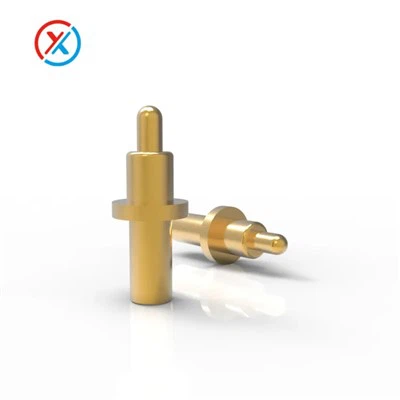
As a leading supplier of Pogo Pins PCBs, I often encounter inquiries about the surface finish of Pogo Pins on a PCB. This parameter is not only crucial for the performance of the pins but also significantly impacts the overall functionality and lifespan of the PCB. In this blog, I'll delve into the details of the surface finish of Pogo Pins, its importance, and the different types available.
Understanding the Significance of Surface Finish
The surface finish of Pogo Pins plays a pivotal role in ensuring reliable electrical connections and mechanical durability. When Pogo Pins come into contact with other components on the PCB, the quality of the surface finish determines the resistance, conductivity, and corrosion resistance of these connections. A poor surface finish can lead to increased electrical resistance, which in turn can cause overheating, signal loss, and ultimately, system failure.
Moreover, the surface finish protects the Pogo Pins from environmental factors such as moisture, oxidation, and mechanical wear. This protection is essential for maintaining the integrity of the pins over time, especially in harsh operating conditions. For example, in automotive or industrial applications, where PCBs are exposed to high temperatures, vibrations, and chemical contaminants, a high - quality surface finish can significantly extend the lifespan of the Pogo Pins.
Types of Surface Finishes for Pogo Pins
Gold Plating
Gold is one of the most popular surface finishes for Pogo Pins due to its excellent electrical conductivity, corrosion resistance, and low contact resistance. Gold does not oxidize, which means that the electrical performance of the Pogo Pins remains stable over time. It also has a smooth surface, which reduces the friction during mating and unmating operations, minimizing wear on the pins.
There are different thicknesses of gold plating available, and the choice depends on the specific application requirements. For high - end applications where reliability is critical, such as aerospace or medical devices, a thicker gold plating may be preferred. However, gold is an expensive material, so cost - sensitive applications may opt for a thinner gold layer or a combination with other metals.
Nickel Underplating with Gold Topcoat
To reduce costs while still maintaining good performance, a common approach is to use nickel underplating with a gold topcoat. Nickel provides a hard base layer that improves the mechanical strength of the Pogo Pins and acts as a barrier to prevent diffusion between the base metal of the pin and the gold layer. The gold topcoat then provides the desired electrical conductivity and corrosion resistance.
This combination is widely used in consumer electronics, where a balance between cost and performance is required. The thickness of the nickel and gold layers can be adjusted according to the specific needs of the application, such as the expected number of mating cycles and the operating environment.
Tin Plating
Tin is another option for the surface finish of Pogo Pins. It is relatively inexpensive and has good solderability, which makes it suitable for applications where the Pogo Pins need to be soldered onto the PCB. Tin plating also provides some protection against corrosion, but it is more prone to oxidation compared to gold.
Over time, a tin oxide layer may form on the surface of the pins, which can increase the contact resistance. To mitigate this issue, tin - plated Pogo Pins may require additional surface treatments or coatings. Tin is commonly used in low - cost, high - volume applications where the performance requirements are not as stringent, such as some consumer electronics and automotive interior components.
Impact of Surface Finish on Pogo Pins Performance
Electrical Performance
The surface finish directly affects the electrical performance of Pogo Pins. As mentioned earlier, gold - plated pins have the lowest contact resistance, which ensures efficient signal transmission and power delivery. This is crucial for high - speed data applications, such as USB Type - C connectors or high - frequency communication modules.
In contrast, tin - plated pins may experience an increase in contact resistance over time due to oxidation, which can lead to signal degradation and power loss. For applications that require stable electrical performance over a long period, gold or gold - based surface finishes are usually the preferred choice.
Mechanical Performance
The surface finish also influences the mechanical performance of Pogo Pins. A smooth and hard surface finish, such as gold or nickel - gold combination, reduces the friction between the pins and the mating components. This results in less wear and tear during mating and unmating operations, increasing the durability and lifespan of the pins.
For example, in a smartphone charger connector, where the Pogo Pins are mated and unmated multiple times a day, a high - quality surface finish can prevent premature failure of the pins. On the other hand, a rough or soft surface finish may cause the pins to deform or wear out quickly, leading to unreliable connections.
Environmental Resistance
In different environmental conditions, the surface finish of Pogo Pins can make a significant difference in their performance. Gold - plated pins are highly resistant to corrosion, making them suitable for applications in humid or corrosive environments. For instance, in marine electronics or outdoor lighting systems, gold - plated Pogo Pins can withstand the exposure to saltwater or moisture without losing their functionality.
Tin - plated pins, however, are more vulnerable to corrosion and may require additional protective coatings or seals in harsh environments. The choice of surface finish should be carefully considered based on the expected environmental conditions of the application.
Our Offerings as a Pogo Pins PCB Supplier
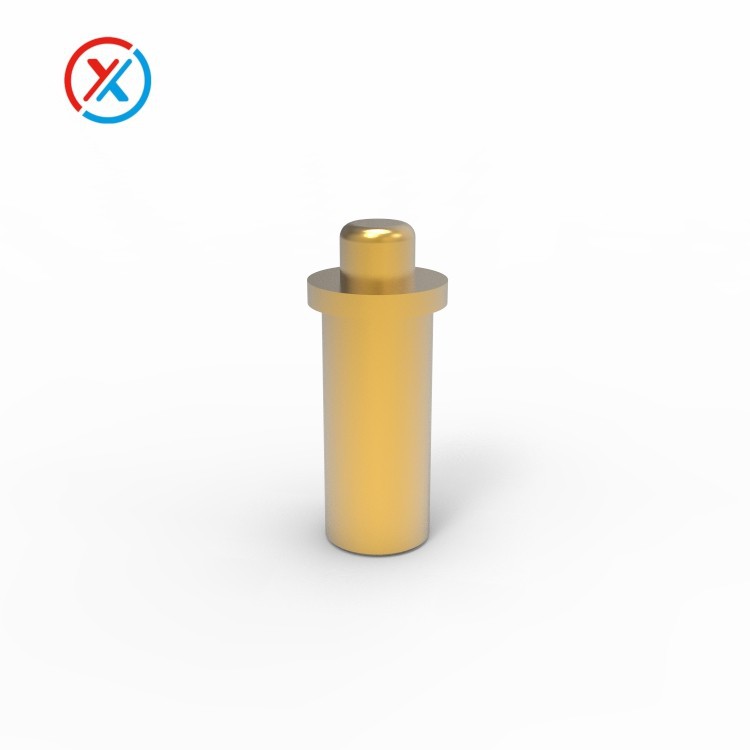
As a professional Pogo Pins PCB supplier, we offer a wide range of surface finishes for our Pogo Pins to meet the diverse needs of our customers. Whether you need Surface Mount Pogo Pins for your compact electronic devices or Pogo Pins for high - power applications, we can provide the appropriate surface finish to ensure optimal performance.
We have in - house testing facilities to ensure the quality of our Pogo Pins with different surface finishes. Our team of experts can also provide technical support and advice on the best surface finish for your specific application. We understand that each project has unique requirements, and we are committed to working closely with our customers to develop customized solutions.

Conclusion
The surface finish of Pogo Pins on a PCB is a critical factor that affects their electrical, mechanical, and environmental performance. Gold plating, nickel - gold combination, and tin plating are the common surface finishes available, each with its own advantages and disadvantages. As a Pogo Pins PCB supplier, we are dedicated to providing high - quality Pogo Pins with the right surface finish to meet the diverse needs of our customers.
If you are looking for reliable Pogo Pins for your PCB projects, or if you have any questions about the surface finish or other aspects of Pogo Pins, please feel free to contact us. We are eager to start a discussion with you and explore how our products can fit your requirements.
References
- IPC - 4552A, "Specification for Electroless Nickel/Immersion Gold (ENIG) Plating for Printed Boards"
- ASTM B488 - 13, "Standard Specification for Electrodeposited Coatings of Gold"
- International Tin Association, "Technical Information on Tin Plating"