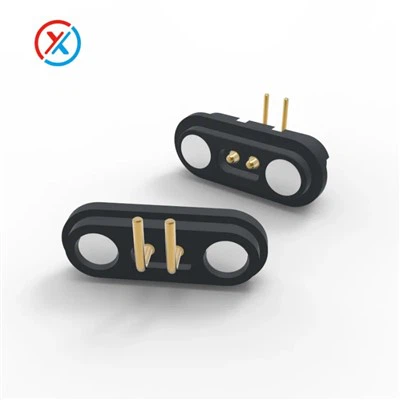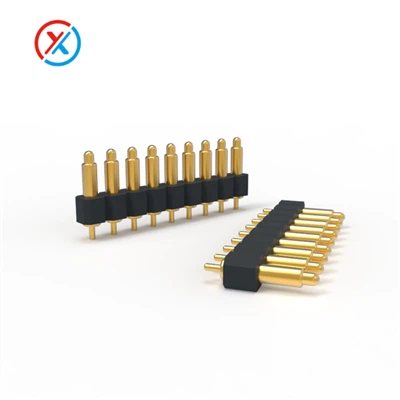
Hey there! As a supplier of Pogo Pins, I often get asked about the working frequency range of these little but mighty components. So, let's dive right into it and explore what the working frequency range of Pogo Pins is all about.
First off, what are Pogo Pins? Well, they're spring-loaded pins that are used in a whole bunch of electronic applications. They're super handy for making electrical connections between different parts of a device. You can find them in everything from smartphones and tablets to test equipment and industrial machinery.
Now, onto the working frequency range. The working frequency range of Pogo Pins can vary quite a bit depending on a few factors. One of the main factors is the design of the Pogo Pin itself. Different designs can have different electrical characteristics that affect how well they perform at different frequencies.


For example, some Pogo Pins are designed for low-frequency applications. These pins are typically used in applications where the electrical signals are relatively slow-moving. Things like power connections or simple data transfer. The working frequency range for these low-frequency Pogo Pins can be anywhere from DC (direct current) up to a few megahertz (MHz).
On the other hand, there are Pogo Pins that are designed for high-frequency applications. These pins are used in applications where the electrical signals are much faster, like in high-speed data transfer or radio frequency (RF) applications. The working frequency range for high-frequency Pogo Pins can go up to several gigahertz (GHz).
Another factor that can affect the working frequency range of Pogo Pins is the materials used in their construction. The type of metal used for the pin and the spring can have a big impact on how well the Pogo Pin performs at different frequencies. For example, some metals have better conductivity than others, which can help reduce signal loss at higher frequencies.
Let's take a look at some of the specific types of Pogo Pins and their typical working frequency ranges.
Pin Pogo
The Pin Pogo is a common type of Pogo Pin. These pins are often used in low to medium-frequency applications. They're designed to provide a reliable electrical connection with a relatively low contact resistance. The working frequency range for Pin Pogo pins can typically go from DC up to around 10 MHz. This makes them suitable for applications like battery charging, simple data transfer, and some basic sensor connections.
1A Pogo Pins
The 1A Pogo Pins are designed to handle a current of up to 1 ampere. These pins are often used in applications where a higher current is required, such as powering small electronic devices. The working frequency range for 1A Pogo Pins is similar to that of the Pin Pogo, usually from DC up to around 10 MHz. However, the ability to handle a higher current can make them a better choice for applications where power delivery is a concern.
Spring Loaded Contacts High Current
The Spring Loaded Contacts High Current are designed to handle even higher currents. These pins are often used in industrial applications or in devices that require a lot of power. The working frequency range for these high-current Pogo Pins can also be from DC up to around 10 MHz. However, because they're designed to handle high currents, they may have a slightly different electrical characteristic compared to other types of Pogo Pins.
It's important to note that these are just general guidelines. The actual working frequency range of a Pogo Pin can vary depending on the specific design and application. For example, if you're using a Pogo Pin in a high-speed data transfer application, you may need to choose a pin that has a higher working frequency range.
So, how do you choose the right Pogo Pin for your application? Well, the first thing you need to do is determine the frequency requirements of your application. If you're working with low-frequency signals, then a low-frequency Pogo Pin should be sufficient. However, if you're working with high-frequency signals, then you'll need to choose a Pogo Pin that has a higher working frequency range.
Another thing to consider is the current requirements of your application. If you need to transfer a high current, then you'll need to choose a Pogo Pin that can handle that current. You also need to consider the physical size and shape of the Pogo Pin, as well as the environmental conditions in which it will be used.
At our company, we offer a wide range of Pogo Pins with different working frequency ranges and current ratings. We can help you choose the right Pogo Pin for your application based on your specific requirements. Whether you're working on a small consumer device or a large industrial project, we have the expertise and the products to meet your needs.
If you're interested in learning more about our Pogo Pins or if you have any questions about the working frequency range, feel free to reach out to us. We're always happy to help and can provide you with more detailed information about our products.
In conclusion, the working frequency range of Pogo Pins can vary depending on the design, materials, and application. By understanding the factors that affect the working frequency range, you can choose the right Pogo Pin for your specific needs. And if you need any help or have any questions, don't hesitate to contact us. We're here to make sure you get the best Pogo Pins for your project.
References:
- General knowledge of Pogo Pin technology and applications in the electronics industry.
- Product specifications and technical data from our Pogo Pin product line.