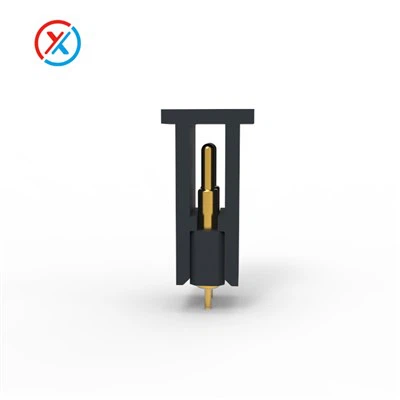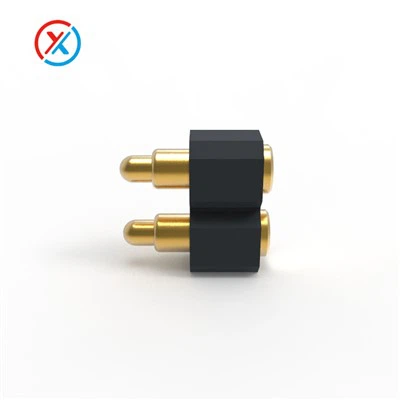
Pogo pin cables, also known as spring-loaded pin cables, are essential components in various electronic devices, providing reliable electrical connections. As a Pogo Pin Cable supplier, I am often asked about the materials used in their production. In this blog post, I will delve into the different materials that make up Pogo Pin Cables, exploring their properties and why they are chosen for this application.
Pogo Pins
The most distinctive part of a Pogo Pin Cable is, of course, the pogo pins themselves. These pins are the key to establishing electrical contact between different components.
Pin Body Material
The pin body is typically made of a metal with good electrical conductivity and mechanical strength. One of the most commonly used materials is brass. Brass is an alloy of copper and zinc, which offers several advantages. It has excellent electrical conductivity, allowing for efficient transmission of electrical signals and power. Additionally, brass is relatively easy to machine, which is crucial for manufacturing the precise shapes required for pogo pins. It also has good corrosion resistance, which helps to ensure the longevity of the pins.
Another material that can be used for the pin body is phosphor bronze. Phosphor bronze is a copper alloy that contains phosphorus and tin. It has high strength, good fatigue resistance, and excellent electrical conductivity. These properties make it suitable for applications where the pogo pins are subjected to repeated use and mechanical stress.
Plating Materials
To further enhance the performance of the pogo pins, they are often plated with other metals. The most common plating materials are gold and nickel.
Gold plating is highly desirable due to its excellent electrical conductivity, corrosion resistance, and low contact resistance. Gold does not oxidize, which means that the electrical connection remains stable over time. It also has a smooth surface, reducing the friction between the pins and the mating contacts. However, gold is relatively expensive, so the thickness of the gold plating is usually kept to a minimum to balance cost and performance.
Nickel plating is often used as an undercoat for gold plating or as a standalone plating in less demanding applications. Nickel has good corrosion resistance and mechanical strength. It provides a hard surface that can withstand wear and tear. Additionally, nickel plating can improve the adhesion of the gold plating, ensuring a more durable coating.
Cable Insulation
The cable insulation is an important part of the Pogo Pin Cable, as it protects the conductors from damage and prevents electrical short circuits.
Polyvinyl Chloride (PVC)
PVC is one of the most widely used materials for cable insulation. It is a synthetic plastic polymer that is known for its flexibility, durability, and low cost. PVC has good electrical insulation properties, making it suitable for a wide range of voltage applications. It is also resistant to chemicals, oils, and moisture, which helps to protect the conductors from environmental factors.
Polyethylene (PE)
PE is another common insulation material. It is a thermoplastic polymer that has excellent electrical insulation properties and low dielectric constant. PE is lightweight and has good flexibility, making it suitable for applications where the cable needs to be bent or routed easily. It is also resistant to water and chemicals, providing good protection for the conductors.
Teflon (Polytetrafluoroethylene - PTFE)
Teflon is a high-performance insulation material that is used in applications where high temperature, chemical resistance, and low dielectric loss are required. PTFE has excellent electrical insulation properties over a wide range of frequencies and temperatures. It is also extremely resistant to chemicals and has a very low coefficient of friction. However, Teflon is relatively expensive and difficult to process, so it is typically used in specialized applications.


Conductors
The conductors in a Pogo Pin Cable are responsible for carrying the electrical current and signals.
Copper
Copper is the most commonly used material for conductors in Pogo Pin Cables. It has excellent electrical conductivity, which means that it can transmit electrical energy with minimal loss. Copper is also relatively inexpensive and easy to work with. It can be drawn into thin wires, allowing for the production of cables with small diameters.
Silver
Silver has the highest electrical conductivity of all metals. In some high-performance applications, silver-plated copper conductors may be used to further reduce the resistance and improve the signal transmission. However, silver is more expensive than copper and is more prone to oxidation, so it is not as widely used.
Connectors and Housing
The connectors and housing of the Pogo Pin Cable play a crucial role in protecting the pins and ensuring a secure connection.
Plastic Housing
The housing of the Pogo Pin Cable is often made of plastic materials such as polycarbonate or ABS (acrylonitrile butadiene styrene). These plastics have good mechanical strength, impact resistance, and electrical insulation properties. They can be easily molded into complex shapes, allowing for the design of connectors that are easy to use and install.
Metal Connectors
The connectors themselves can be made of metal, such as stainless steel or aluminum. Metal connectors provide a strong and durable connection, and they can also help to shield the electrical signals from electromagnetic interference. Stainless steel is corrosion-resistant, making it suitable for outdoor or harsh environment applications. Aluminum is lightweight and has good electrical conductivity, which can be beneficial in some applications.
Conclusion
In conclusion, Pogo Pin Cables are made up of a variety of materials, each chosen for its specific properties and performance requirements. The choice of materials depends on factors such as the application, the required electrical performance, the mechanical stress, and the cost. As a Pogo Pin Cable supplier, we carefully select the materials to ensure that our cables meet the highest standards of quality and reliability.
If you are in need of high-quality Pogo Pin Cables, such as the 4 Pogo Pin Cable, Pogo Pin Cable, or Pogo Pin Charging Cable, please feel free to contact us for more information and to discuss your specific requirements. We are committed to providing you with the best solutions for your electronic connectivity needs.
References
- "Handbook of Electrical and Electronic Insulating Materials" by D. C. Agrawal
- "Materials Science and Engineering: An Introduction" by William D. Callister Jr. and David G. Rethwisch