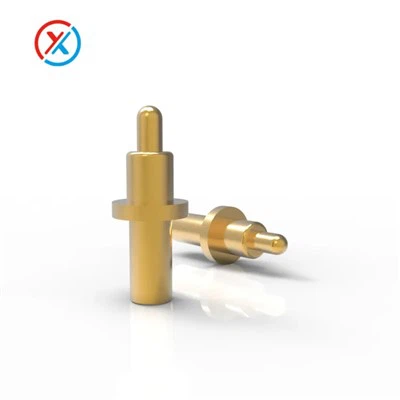
As a supplier of large pogo pins, I often get asked about their compatibility with different circuit board materials. This is a crucial question, as the right combination can significantly impact the performance and reliability of electronic devices. In this blog, I'll delve into the details of how large pogo pins interact with various circuit board materials.
Understanding Large Pogo Pins
Large pogo pins are spring-loaded connectors that are widely used in electronic testing, charging, and other applications. They offer several advantages, such as high conductivity, low contact resistance, and the ability to provide a reliable connection even in high-vibration environments. Our company offers a range of large pogo pins, including High Current Pogo Pins DC 25A, Pogo Pin Charger, and Gold-Plated Pogo Pins 12V DC 1A. These pins are designed to meet the diverse needs of our customers.
Common Circuit Board Materials
There are several types of circuit board materials commonly used in the electronics industry. Each material has its own unique properties, which can affect the compatibility with large pogo pins.
FR-4
FR-4 is one of the most widely used circuit board materials. It is a fiberglass-reinforced epoxy laminate that offers good mechanical strength, electrical insulation, and heat resistance. FR-4 is relatively inexpensive and easy to work with, making it a popular choice for a wide range of applications. When using large pogo pins with FR-4 circuit boards, the pins can make good contact with the copper traces on the board. The smooth surface of the copper allows for low contact resistance, ensuring efficient electrical conduction. However, it's important to ensure that the pogo pins are properly aligned and that the contact pressure is within the recommended range to avoid damage to the board.
Polyimide
Polyimide is a high-performance circuit board material known for its excellent thermal stability, chemical resistance, and flexibility. It is often used in applications where high temperatures or harsh environments are involved, such as aerospace and automotive electronics. Large pogo pins can be used with polyimide circuit boards, but special considerations need to be taken. The surface of polyimide boards may be more delicate than FR-4, so the contact pressure of the pogo pins should be carefully controlled to prevent damage. Additionally, the high temperature resistance of polyimide may require the use of pogo pins with appropriate heat-resistant materials.
Aluminum
Aluminum circuit boards are gaining popularity due to their excellent thermal conductivity. They are commonly used in high-power applications where heat dissipation is a critical issue, such as LED lighting and power supplies. When using large pogo pins with aluminum circuit boards, the pins need to be able to make good electrical contact with the aluminum surface. This may require the use of pins with a special coating or plating to prevent oxidation and ensure low contact resistance. The mechanical properties of aluminum, such as its relatively low hardness compared to some other materials, also need to be considered to avoid excessive wear on the pogo pins.


Factors Affecting Compatibility
Several factors can affect the compatibility between large pogo pins and different circuit board materials.
Surface Finish
The surface finish of the circuit board plays a crucial role in the contact performance of the pogo pins. Common surface finishes include HASL (Hot Air Solder Leveling), ENIG (Electroless Nickel Immersion Gold), and OSP (Organic Solderability Preservative). Each finish has its own characteristics, such as hardness, conductivity, and resistance to oxidation. For example, ENIG provides a smooth and durable gold surface, which is ideal for making good contact with pogo pins. On the other hand, HASL may have a slightly rough surface, which could potentially affect the contact resistance.
Contact Pressure
The contact pressure of the pogo pins is another important factor. Too much pressure can damage the circuit board, especially if it is made of a delicate material like polyimide. On the other hand, too little pressure may result in poor electrical contact and increased resistance. The optimal contact pressure depends on the material of the circuit board, the size and design of the pogo pins, and the application requirements.
Environmental Conditions
The environmental conditions in which the electronic device operates can also impact the compatibility between large pogo pins and circuit board materials. For example, high humidity can cause corrosion on the pins and the circuit board, while high temperatures can affect the mechanical properties of the materials. In harsh environments, it may be necessary to use pogo pins with special coatings or materials to improve their resistance to corrosion and heat.
Testing and Validation
To ensure the compatibility between large pogo pins and different circuit board materials, thorough testing and validation are essential. This can include electrical testing to measure the contact resistance, mechanical testing to evaluate the durability of the connection, and environmental testing to simulate real-world conditions. By conducting these tests, we can identify any potential issues and make necessary adjustments to the design or materials.
Conclusion
In conclusion, large pogo pins can be compatible with different circuit board materials, but careful consideration needs to be given to the specific properties of the materials and the application requirements. By understanding the factors that affect compatibility and conducting proper testing, we can ensure a reliable and efficient connection between the pogo pins and the circuit board.
If you are interested in our large pogo pins or have any questions about their compatibility with your circuit board materials, please feel free to contact us for further discussion and procurement. We are committed to providing high-quality products and excellent customer service to meet your needs.
References
- IPC - Association Connecting Electronics Industries standards on printed circuit boards
- Manufacturer datasheets for large pogo pins and circuit board materials