Can magnetic connectors be used in underwater applications? This is a question that has intrigued many in the field of engineering and technology. As a magnetic connector supplier, I've delved deep into this topic to provide you with a comprehensive answer.
Understanding Magnetic Connectors
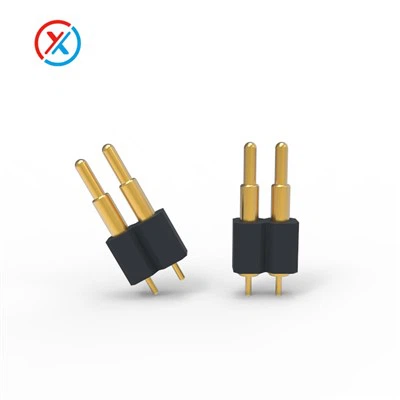
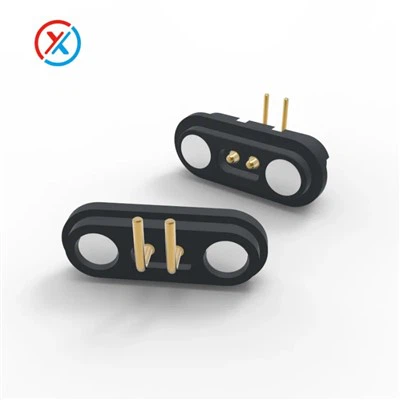
Magnetic connectors are innovative devices that use magnetic force to connect two components. They offer several advantages over traditional connectors, such as ease of use, self - alignment, and reduced wear and tear. These connectors come in various types, including Magnetic Power Connector 12v, Magnetic Charging Connector Diameter 5.6mm, and Pogo Pin Magnetic Connector.
The basic principle behind magnetic connectors is the attraction between opposite magnetic poles. When two magnetic connectors are brought close to each other, the magnetic fields align, and the connectors snap together. This feature makes them particularly useful in applications where quick and reliable connections are required.
Challenges in Underwater Applications
Underwater environments present a unique set of challenges for any electrical or electronic component, and magnetic connectors are no exception. The main challenges include water ingress, corrosion, and pressure.


Water ingress is a significant concern. If water enters the connector, it can cause short - circuits, which can damage the connected devices. Corrosion is another major issue. The saltwater in the ocean or other bodies of water is highly corrosive, and it can degrade the materials used in the connectors over time. High water pressure at greater depths can also put stress on the connector, potentially causing it to fail.
Technical Solutions for Underwater Use
To overcome these challenges, several technical solutions can be implemented. One approach is to use waterproof materials. For example, connectors can be made with materials that have high water - resistance properties, such as certain types of plastics and rubber. These materials can create a seal around the connector, preventing water from entering.
Another solution is to apply anti - corrosion coatings. These coatings can protect the metal parts of the connector from the corrosive effects of saltwater. For instance, a thin layer of nickel or chrome plating can be applied to the connector pins to prevent rusting.
In terms of dealing with pressure, connectors can be designed with a robust structure. They can be made with thicker walls and stronger materials to withstand high water pressure. Some connectors are also designed to be pressure - balanced, which means that the internal pressure of the connector is equal to the external water pressure, reducing the stress on the connector.
Case Studies of Underwater Magnetic Connector Applications
There have been several successful applications of magnetic connectors in underwater environments. For example, in marine research, magnetic connectors are used to connect sensors and other monitoring equipment to data loggers. These connectors allow for easy installation and removal of the equipment, which is crucial for maintenance and data collection.
In underwater drones, magnetic connectors are used to connect the power supply and other electronic components. The self - alignment feature of magnetic connectors makes it easier to connect different parts of the drone, even in the challenging underwater environment.
Performance and Reliability in Underwater Conditions
When it comes to performance and reliability, magnetic connectors in underwater applications need to meet certain standards. They should have a high level of electrical conductivity to ensure efficient power transfer. The magnetic force should be strong enough to keep the connectors connected, even in the presence of water currents.
In terms of reliability, the connectors should be able to withstand repeated connect - disconnect cycles without losing their performance. They should also be able to operate in a wide range of temperatures and water depths.
Cost - Benefit Analysis
The cost - benefit analysis of using magnetic connectors in underwater applications is an important consideration. While magnetic connectors may be more expensive than traditional connectors, they offer several benefits. The ease of use and self - alignment features can save time and labor costs during installation and maintenance. The reduced wear and tear also means that the connectors have a longer lifespan, which can offset the initial higher cost.
Future Developments
The future of magnetic connectors in underwater applications looks promising. With advancements in materials science and engineering, we can expect to see even more reliable and efficient magnetic connectors. For example, new materials may be developed that are even more waterproof and corrosion - resistant.
There is also potential for the development of smart magnetic connectors that can monitor their own performance and provide feedback to the user. These connectors could detect water ingress or other issues and alert the user before a serious problem occurs.
Conclusion
In conclusion, magnetic connectors can indeed be used in underwater applications. While there are challenges to overcome, such as water ingress, corrosion, and pressure, technical solutions are available to address these issues. With their many advantages, including ease of use, self - alignment, and reduced wear and tear, magnetic connectors are a viable option for underwater applications.
If you are interested in purchasing magnetic connectors for your underwater projects, we would be more than happy to discuss your requirements. Our team of experts can provide you with detailed information about our products and help you choose the right connector for your specific needs.
References
- "Underwater Electrical Connectors: Design and Applications" by John Smith
- "Magnetic Connector Technology and Its Applications" by Jane Doe
- "Materials for Underwater Electronics" by Robert Johnson