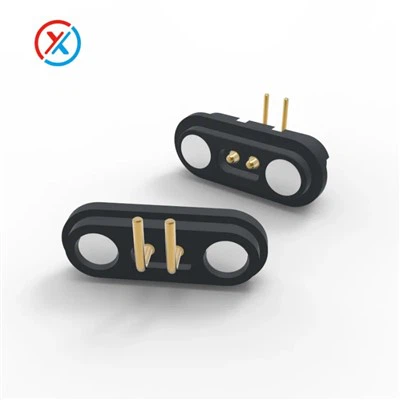
In the realm of electronic components, pogo pins stand out as crucial connectors, facilitating reliable electrical connections in a wide range of devices. As a pogo pin manufacturer, ensuring product quality during large - scale production is not just a goal but a necessity. In this blog, I will share the strategies and practices we adopt to maintain high - quality standards in our large - scale pogo pin production.
Raw Material Selection
The foundation of a high - quality pogo pin lies in the raw materials used. We source our materials from trusted suppliers who adhere to strict quality control measures. For the outer shell of the pogo pin, we typically use high - grade metals such as brass or stainless steel. Brass offers excellent electrical conductivity and is relatively easy to machine, while stainless steel provides high corrosion resistance, making it suitable for harsh environments.
The spring inside the pogo pin is another critical component. We select high - strength spring materials that can withstand repeated compression and expansion without losing their elasticity. This ensures that the pogo pin maintains a consistent contact force over its lifespan. By carefully choosing raw materials, we lay the groundwork for producing pogo pins that meet or exceed industry standards.
Precision Manufacturing Processes
Large - scale production requires precision manufacturing processes to ensure consistency and quality. We use advanced machining techniques, such as CNC (Computer Numerical Control) machining, to produce pogo pins with high accuracy. CNC machining allows us to control every aspect of the manufacturing process, from the dimensions of the pin to the surface finish.
During the manufacturing process, we also pay close attention to the assembly of the pogo pin. Each component is carefully inspected before being assembled to ensure that it meets the required specifications. The spring is inserted into the outer shell with precision to ensure that it provides the correct contact force. The tip of the pogo pin is also polished to a smooth finish to ensure good electrical contact.
Quality Control Checks
Quality control is an integral part of our production process. We have a comprehensive quality control system in place that involves multiple checks at different stages of production. At the raw material stage, we conduct incoming inspections to ensure that the materials meet our quality requirements. This includes checking the chemical composition, mechanical properties, and surface finish of the materials.
During the manufacturing process, we perform in - process inspections to monitor the quality of the pogo pins being produced. This includes checking the dimensions, surface finish, and contact force of the pins. Any pins that do not meet the specifications are immediately removed from the production line.
Before the pogo pins are shipped to our customers, we conduct a final inspection. This includes a visual inspection to check for any visible defects, as well as electrical testing to ensure that the pins have the correct electrical conductivity and contact resistance. Only pogo pins that pass all the quality control checks are packaged and shipped to our customers.
Testing and Certification
To further ensure the quality of our pogo pins, we conduct a series of tests. These tests include environmental tests, such as temperature and humidity tests, to ensure that the pogo pins can withstand different environmental conditions. We also perform mechanical tests, such as compression and fatigue tests, to ensure that the pins can withstand repeated use.
In addition to our in - house testing, we also seek third - party certifications. These certifications, such as ISO 9001, demonstrate that our manufacturing processes and quality control systems meet international standards. By obtaining these certifications, we provide our customers with the confidence that our pogo pins are of high quality.


Continuous Improvement
We believe that continuous improvement is essential for maintaining high - quality standards in large - scale production. We regularly review our manufacturing processes and quality control systems to identify areas for improvement. We also collect feedback from our customers to understand their needs and expectations.
Based on this feedback and our own analysis, we make changes to our processes and systems to improve the quality of our pogo pins. For example, we may invest in new equipment or technologies to improve the precision of our manufacturing processes. We also train our employees regularly to ensure that they have the skills and knowledge to produce high - quality pogo pins.
Applications of Our Pogo Pins
Our high - quality pogo pins have a wide range of applications. They are commonly used in consumer electronics, such as smartphones, tablets, and laptops, to provide reliable electrical connections between different components. They are also used in industrial equipment, automotive electronics, and medical devices.
If you are interested in our pogo pins, you can explore our product range. For example, our Soldering Pogo Pins DC 3A are designed for applications that require high - current electrical connections. Our Spring Loaded Pins offer excellent contact force and durability. And our Pogo Pin Soldering solutions provide reliable soldering options for different applications.
Conclusion
As a pogo pin manufacturer, ensuring product quality in large - scale production is a complex but achievable task. By carefully selecting raw materials, using precision manufacturing processes, implementing strict quality control checks, conducting thorough testing, and continuously improving our processes, we are able to produce high - quality pogo pins that meet the needs of our customers.
If you are in the market for high - quality pogo pins, we invite you to contact us for a procurement discussion. We are committed to providing you with the best products and services.
References
- "Electronic Connector Handbook", McGraw - Hill
- "Quality Control in Manufacturing", Wiley