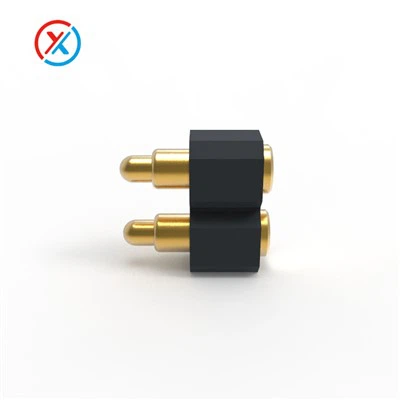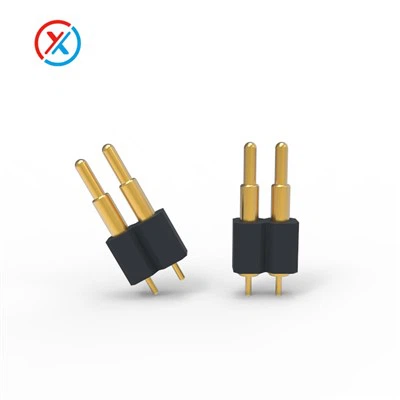
Hey there! As a USB pogo connector supplier, I've seen firsthand how these nifty little components interact with other parts in a device. It's like a well - choreographed dance, where each element has its role to play.
Let's start by understanding what USB pogo connectors are. They're basically spring - loaded pins that provide a reliable electrical connection. These connectors are used in a wide range of devices, from smartphones and tablets to wearables and industrial equipment.
Interaction with the Printed Circuit Board (PCB)
The PCB is the heart of any electronic device. USB pogo connectors are usually soldered or mounted onto the PCB. When the device is assembled, the pogo pins make contact with the corresponding pads on the PCB. This connection allows for the transfer of electrical signals and power.
The spring - loaded nature of the pogo pins is crucial here. It ensures a stable connection even if there are slight variations in the alignment between the connector and the PCB. For example, if the device experiences some vibration or movement, the pogo pins can adjust to maintain the electrical contact. This is especially important in portable devices that are constantly on the move.
Interaction with Cables
USB pogo connectors often interact with cables to transfer data and power. The cables are designed to match the specifications of the pogo connectors. For instance, a Pogo Pin Cable Diameter 8.0mm is specifically made to work with pogo connectors of a certain size.
The connection between the pogo connector and the cable is typically a plug - and - play type. The pogo pins on the connector fit into the corresponding sockets on the cable. This connection needs to be secure to prevent any signal loss or power leakage. If the connection is loose, it can lead to issues like intermittent data transfer or charging problems.
Interaction with Other Connectors
In some devices, USB pogo connectors may need to interact with other types of connectors. For example, they might need to interface with a Male and Female Magnetic Connector. Magnetic connectors are great because they provide a quick and easy way to connect and disconnect devices.
When a USB pogo connector interacts with a magnetic connector, the magnetic force helps to align the two connectors properly. This ensures a good electrical connection. The magnetic field also helps to hold the connectors together, reducing the risk of accidental disconnection.
Interaction with Device Enclosures
The device enclosure plays an important role in the interaction of USB pogo connectors with other components. The enclosure needs to provide a proper housing for the pogo connectors. It should protect the connectors from dust, moisture, and physical damage.
The design of the enclosure also affects the accessibility of the pogo connectors. For example, in a smartphone, the pogo connectors for charging or data transfer are usually located in a specific area of the device. The enclosure needs to have an opening or a slot that allows easy access to these connectors.
Interaction with Power Management Systems
USB pogo connectors are often involved in power management within a device. They are used to transfer power from a power source, such as a battery or a charger, to the different components of the device.
The power management system needs to be able to control the amount of power flowing through the pogo connectors. This is important to prevent overcharging or overheating of the device. For example, if a device is being charged via a pogo connector, the power management system will monitor the charging process and adjust the power flow accordingly.
Interaction with Data Transfer Systems
In addition to power transfer, USB pogo connectors are also used for data transfer. They can transfer data between different components within a device or between the device and an external device.
The data transfer speed and reliability depend on the quality of the pogo connectors and the design of the data transfer system. For example, high - speed data transfer requires a stable electrical connection and low resistance. The pogo connectors need to be able to handle the high - frequency signals without significant loss.
Challenges in Interaction
Of course, there are some challenges when it comes to the interaction of USB pogo connectors with other components. One of the main challenges is wear and tear. The constant connection and disconnection of the pogo connectors can cause the pins to wear out over time. This can lead to a poor electrical connection and reduced performance.
Another challenge is the issue of corrosion. If the pogo connectors are exposed to moisture or other corrosive substances, the pins can corrode. This can also affect the electrical conductivity and lead to connection problems.


Solutions to Challenges
To address the issue of wear and tear, we use high - quality materials for our pogo connectors. We also design the connectors to be durable and resistant to mechanical stress. For example, we use special coatings on the pins to reduce friction and increase their lifespan.
To prevent corrosion, we ensure that the pogo connectors are properly sealed and protected. We also use materials that are resistant to corrosion. In addition, we provide guidelines on how to properly maintain the connectors to minimize the risk of corrosion.
Conclusion
In conclusion, USB pogo connectors play a vital role in the interaction of different components in a device. They provide a reliable way to transfer power and data, and they need to work in harmony with other parts of the device.
If you're in the market for high - quality USB pogo connectors, we're here to help. We've got a wide range of products to meet your needs. Whether you're looking for Male and Female Magnetic Connector or Round Magnetic Cable Connector, we've got you covered.
If you're interested in purchasing our products or have any questions, feel free to reach out to us. We're always happy to have a chat and discuss your requirements. Let's work together to make your devices even better!
References
- Smith, J. (2020). "Understanding USB Connectors in Electronic Devices". Electronic Journal.
- Johnson, A. (2021). "Power and Data Transfer in Modern Devices". Technology Review.