Can spring pin connectors be soldered? This is a question that often comes up in the electronics industry, and as a supplier of spring pin connectors, I'm here to provide a comprehensive answer.
Understanding Spring Pin Connectors
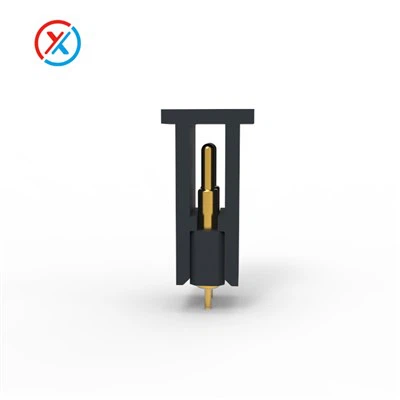
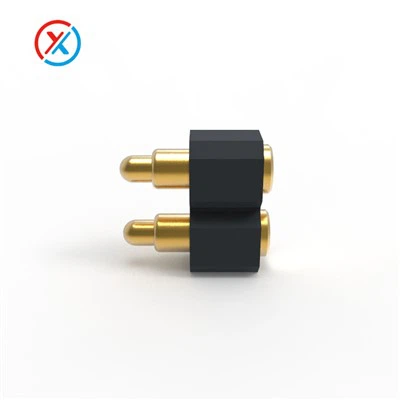
Spring pin connectors, also known as pogo pins, are electrical connectors that use a spring-loaded pin to establish a reliable electrical connection. They are widely used in various electronic devices, such as smartphones, tablets, wearables, and test equipment. The spring-loaded design allows the pins to compensate for uneven surfaces, tolerances, and vibrations, ensuring a stable and consistent connection.
The basic structure of a spring pin connector consists of a plunger, a spring, and a barrel. The plunger is the part that makes contact with the mating surface, while the spring provides the necessary force to maintain the contact. The barrel houses the plunger and the spring, and it is usually made of a conductive material, such as brass or stainless steel.


The Feasibility of Soldering Spring Pin Connectors
The answer to the question "Can spring pin connectors be soldered?" is yes, but with some considerations. Soldering spring pin connectors is a common method of attaching them to printed circuit boards (PCBs) or other components. However, it is important to understand the potential challenges and limitations associated with soldering these connectors.
Advantages of Soldering Spring Pin Connectors
- Permanent Connection: Soldering provides a permanent and reliable electrical connection between the spring pin connector and the PCB. This is especially important in applications where a stable and long-lasting connection is required.
- Mechanical Stability: Soldering helps to secure the spring pin connector in place, preventing it from moving or coming loose due to vibrations or other external forces.
- Electrical Conductivity: Soldering ensures good electrical conductivity between the connector and the PCB, minimizing signal loss and interference.
Challenges of Soldering Spring Pin Connectors
- Heat Sensitivity: Spring pin connectors are often made of materials that are sensitive to heat, such as plastics or polymers. Excessive heat during the soldering process can damage these materials, affecting the performance and reliability of the connector.
- Spring Compression: The spring in the spring pin connector can be compressed during the soldering process, which may affect its ability to provide the necessary contact force. This can lead to poor electrical contact and unreliable performance.
- Soldering Technique: Soldering spring pin connectors requires a precise and careful technique to avoid damaging the connector or the PCB. Improper soldering can result in solder bridges, cold joints, or other defects that can affect the functionality of the connector.
Tips for Soldering Spring Pin Connectors
To ensure a successful soldering process, it is important to follow these tips:
- Choose the Right Soldering Equipment: Use a soldering iron with a temperature control feature to avoid overheating the connector. A soldering iron with a fine tip is also recommended for precise soldering.
- Prepare the Connector and the PCB: Clean the connector and the PCB surfaces to remove any dirt, grease, or oxidation. This will help to ensure good solder adhesion.
- Use the Right Solder: Choose a solder that is suitable for the materials of the connector and the PCB. A lead-free solder is recommended for environmental reasons.
- Apply Flux: Apply a small amount of flux to the connector and the PCB surfaces to help the solder flow and improve the solder adhesion.
- Soldering Technique: Hold the soldering iron at a 45-degree angle to the connector and the PCB, and apply the solder to the joint. Avoid applying too much pressure or heat, as this can damage the connector or the PCB.
- Inspect the Soldered Joint: After soldering, inspect the joint to ensure that it is clean, smooth, and free of defects. If necessary, rework the joint to correct any problems.
Applications of Soldered Spring Pin Connectors
Soldered spring pin connectors are used in a wide range of applications, including:
- Consumer Electronics: Spring pin connectors are commonly used in smartphones, tablets, wearables, and other consumer electronic devices to provide a reliable electrical connection between different components.
- Test and Measurement Equipment: Spring pin connectors are used in test and measurement equipment to provide a temporary or permanent electrical connection between the device under test and the test equipment.
- Automotive Electronics: Spring pin connectors are used in automotive electronics to provide a reliable electrical connection between different components, such as sensors, actuators, and control modules.
- Industrial Electronics: Spring pin connectors are used in industrial electronics to provide a reliable electrical connection between different components, such as PLCs, sensors, and actuators.
Our Spring Pin Connector Products
As a supplier of spring pin connectors, we offer a wide range of products to meet the needs of different applications. Our products include pogo pin pad, Pogo Pin Docking, and Right Angle Pogo Pin Connector.
Our spring pin connectors are made of high-quality materials and are designed to provide a reliable and long-lasting electrical connection. We also offer custom design and manufacturing services to meet the specific requirements of our customers.
Conclusion
In conclusion, spring pin connectors can be soldered, but it is important to understand the potential challenges and limitations associated with soldering these connectors. By following the tips and guidelines outlined in this article, you can ensure a successful soldering process and achieve a reliable and long-lasting electrical connection.
If you are interested in purchasing spring pin connectors or have any questions about our products, please feel free to contact us. We are always happy to help you find the right solution for your application.
References
- Smith, J. (2018). Electronics Assembly Handbook. McGraw-Hill.
- Jones, A. (2019). Soldering Techniques for Electronic Components. Wiley.
- Brown, C. (2020). Spring Pin Connectors: Design and Applications. Elsevier.