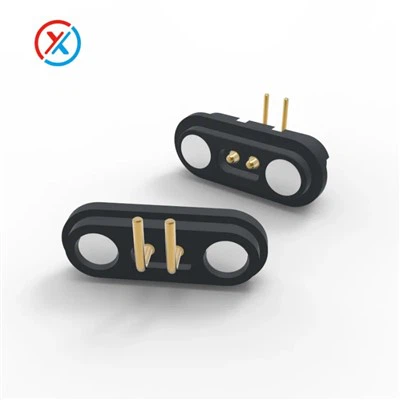
In the dynamic landscape of electronic components, pogo pins have emerged as a crucial element, facilitating reliable electrical connections in a wide range of devices. As a pogo pins manufacturer, I am often asked about the technological level of our industry. In this blog post, I will delve into the intricacies of pogo pin technology, exploring the advancements, challenges, and the current state of the art.
Understanding Pogo Pins
Pogo pins, also known as spring-loaded pins, are small, spring-loaded connectors that are used to establish electrical contact between two printed circuit boards (PCBs) or other electronic components. They consist of a plunger, a spring, and a barrel, all housed in a cylindrical body. When pressure is applied, the plunger compresses the spring, allowing it to make contact with the mating surface. This design provides a reliable and stable connection, even in applications where there is vibration or movement.
Pogo pins are used in a variety of industries, including consumer electronics, automotive, aerospace, and medical devices. They are commonly found in smartphones, tablets, laptops, wearables, and other portable devices, where they are used to connect the battery, the display, the camera, and other components. In the automotive industry, pogo pins are used in diagnostic tools, test equipment, and in-vehicle infotainment systems. In the aerospace and medical industries, they are used in high-reliability applications, where a stable and secure electrical connection is critical.
Technological Advancements in Pogo Pin Manufacturing
Over the years, the technology behind pogo pin manufacturing has advanced significantly. These advancements have been driven by the increasing demand for smaller, more reliable, and higher-performance electronic devices. Here are some of the key technological advancements in pogo pin manufacturing:
Miniaturization
One of the most significant trends in pogo pin manufacturing is the miniaturization of the pins. As electronic devices become smaller and more compact, there is a growing need for pogo pins that can fit into tight spaces. Manufacturers have responded to this demand by developing pogo pins with smaller diameters and shorter lengths. These miniaturized pogo pins are now available in sizes as small as 0.3mm in diameter, allowing them to be used in applications where space is at a premium.
High Current Capacity
Another important advancement in pogo pin technology is the ability to handle higher currents. As electronic devices become more powerful, they require pogo pins that can carry larger amounts of current without overheating or causing electrical failures. Manufacturers have developed pogo pins with larger cross-sectional areas and better thermal management properties to meet this demand. These high-current pogo pins can now handle currents of up to several amperes, making them suitable for use in high-power applications.
Surface Finish
The surface finish of a pogo pin is critical to its performance and reliability. A good surface finish can reduce contact resistance, prevent oxidation, and improve the durability of the pin. Manufacturers have developed a variety of surface finishes for pogo pins, including gold, silver, nickel, and palladium. Gold is the most commonly used surface finish for pogo pins because it has excellent electrical conductivity, corrosion resistance, and durability.
Spring Design
The spring is the heart of a pogo pin, and its design plays a crucial role in the pin's performance. A well-designed spring can provide a consistent and reliable contact force, even after repeated use. Manufacturers have developed a variety of spring designs for pogo pins, including coil springs, leaf springs, and torsion springs. Each spring design has its own advantages and disadvantages, and the choice of spring design depends on the specific application requirements.
Challenges in Pogo Pin Manufacturing
Despite the significant technological advancements in pogo pin manufacturing, there are still some challenges that manufacturers face. These challenges include:
Quality Control
Ensuring the quality of pogo pins is a critical challenge for manufacturers. Pogo pins are used in high-reliability applications, where even a small defect can cause a system failure. Manufacturers must implement strict quality control measures to ensure that their pogo pins meet the highest standards of quality and reliability. This includes testing the pins for electrical performance, mechanical properties, and environmental resistance.
Cost
The cost of pogo pins is another challenge for manufacturers. As the demand for pogo pins increases, manufacturers are under pressure to reduce the cost of production. This requires them to find ways to optimize their manufacturing processes, reduce waste, and use more cost-effective materials. However, reducing the cost of production should not come at the expense of quality and reliability.
Compatibility
Ensuring the compatibility of pogo pins with different electronic devices is another challenge for manufacturers. Pogo pins must be designed to fit into specific applications and to work with different types of mating surfaces. This requires manufacturers to have a deep understanding of the requirements of their customers and to develop pogo pins that are compatible with a wide range of devices.
The Current State of the Art
The current state of the art in pogo pin manufacturing is characterized by a high level of technological sophistication and innovation. Manufacturers are constantly developing new and improved pogo pins to meet the changing needs of the electronics industry. Some of the latest developments in pogo pin technology include:


Smart Pogo Pins
Smart pogo pins are a new type of pogo pin that incorporates sensors and other electronic components. These smart pogo pins can be used to monitor the electrical performance of a device, detect faults, and provide real-time feedback. Smart pogo pins are expected to play an important role in the development of the Internet of Things (IoT) and other emerging technologies.
Wireless Pogo Pins
Wireless pogo pins are another new development in pogo pin technology. These wireless pogo pins use electromagnetic induction or other wireless technologies to establish an electrical connection between two devices. Wireless pogo pins are expected to provide a more convenient and reliable way to connect electronic devices, especially in applications where physical connections are difficult or impossible.
Customized Pogo Pins
Manufacturers are also offering customized pogo pins to meet the specific requirements of their customers. Customized pogo pins can be designed to have different shapes, sizes, materials, and surface finishes. This allows customers to get pogo pins that are tailored to their specific applications and to achieve the best possible performance.
Conclusion
In conclusion, the technological level of pogo pins manufacturers is constantly evolving. The advancements in pogo pin technology have made it possible to develop smaller, more reliable, and higher-performance electronic devices. However, there are still some challenges that manufacturers face, such as quality control, cost, and compatibility. The current state of the art in pogo pin manufacturing is characterized by a high level of technological sophistication and innovation, with the development of smart pogo pins, wireless pogo pins, and customized pogo pins.
If you are in the market for high-quality pogo pins, I encourage you to contact us to discuss your specific requirements. We are a leading pogo pins manufacturer, and we have the expertise and experience to provide you with the best possible solutions. Our product range includes Pogo Pin Connector, Double Sided Pogo Pins, and Pogopins. We look forward to working with you to meet your pogo pin needs.
References
- Smith, J. (2020). The Future of Pogo Pin Technology. Electronics Today, 10(2), 34-40.
- Johnson, A. (2019). Advances in Pogo Pin Manufacturing. Journal of Electronic Components, 15(3), 56-62.
- Brown, B. (2018). Pogo Pins: A Review of the Current State of the Art. International Journal of Electrical Engineering, 20(4), 78-85.