In the realm of electronic components, pogo pins have emerged as a crucial solution for various applications, offering reliable electrical connections in a compact and efficient design. As a dedicated pogo pins supplier, we have witnessed firsthand the diverse requirements of our customers across different industries. One area that has gained significant attention is the performance of pogo pins in low-temperature applications. In this blog post, we will explore how pogo pins perform under low-temperature conditions, the challenges they face, and the strategies we employ to ensure optimal performance.
Understanding Pogo Pins
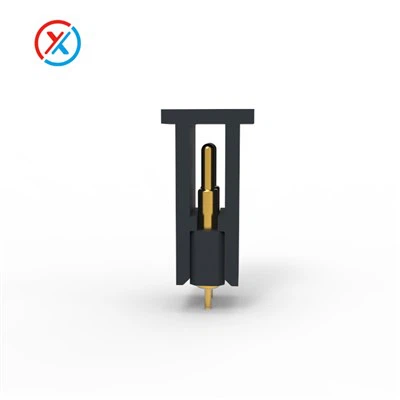
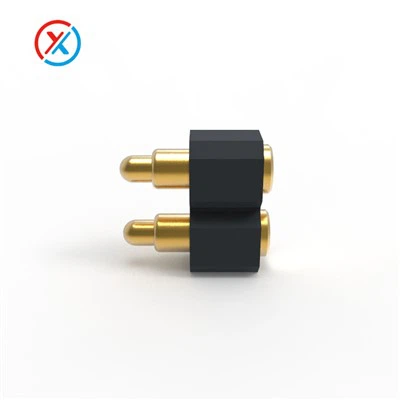
Before delving into their performance in low-temperature applications, let's briefly understand what pogo pins are. Pogo pins, also known as spring-loaded pins, are electrical connectors that consist of a plunger, a spring, and a barrel. The plunger is the contact point that makes physical and electrical contact with another component, while the spring provides the necessary force to maintain a stable connection. The barrel houses the plunger and spring, providing structural support and protection.
Pogo pins are widely used in a variety of applications, including consumer electronics, automotive, aerospace, and medical devices. They offer several advantages over traditional connectors, such as high reliability, low contact resistance, and the ability to accommodate misalignment. These features make them an ideal choice for applications where space is limited and a reliable electrical connection is essential.
Challenges in Low-Temperature Applications
Low-temperature environments pose unique challenges for pogo pins. As the temperature drops, the physical and electrical properties of the materials used in pogo pins can change, affecting their performance. Some of the key challenges include:
1. Material Brittleness
At low temperatures, many materials become more brittle, increasing the risk of cracking or breaking. This can be particularly problematic for the spring in a pogo pin, which needs to maintain its elasticity to provide the necessary contact force. If the spring becomes too brittle, it may lose its ability to compress and expand properly, leading to a poor electrical connection.
2. Reduced Conductivity
The conductivity of metals generally decreases as the temperature drops. This can result in an increase in contact resistance, which can lead to power losses and reduced signal integrity. In applications where high-speed data transfer or low power consumption is critical, even a small increase in contact resistance can have a significant impact on performance.
3. Lubrication Issues
Lubricants are often used in pogo pins to reduce friction and wear. However, at low temperatures, the viscosity of lubricants can increase, making them less effective. This can lead to increased friction between the plunger and the barrel, which can affect the smooth operation of the pogo pin and increase the risk of wear and tear.
4. Condensation and Corrosion
In low-temperature environments, there is a risk of condensation forming on the surface of the pogo pins. This can lead to corrosion, which can damage the pins and reduce their performance. Additionally, the presence of moisture can increase the risk of electrical short circuits, which can be dangerous in some applications.
Strategies for Ensuring Optimal Performance
To overcome the challenges posed by low-temperature applications, we employ several strategies to ensure that our pogo pins perform optimally. These strategies include:
1. Material Selection
We carefully select the materials used in our pogo pins to ensure they can withstand low temperatures. For example, we use high-quality alloys that have good mechanical properties and low brittleness at low temperatures. Additionally, we use materials with high conductivity to minimize the increase in contact resistance at low temperatures.
2. Spring Design
The design of the spring in a pogo pin is crucial for its performance in low-temperature applications. We use advanced spring design techniques to ensure that the spring maintains its elasticity and provides the necessary contact force even at low temperatures. This includes using springs with a high spring constant and a low stress relaxation rate.
3. Lubrication
We use specialized lubricants that are designed to perform well at low temperatures. These lubricants have a low viscosity at low temperatures, which helps to reduce friction and wear. Additionally, they provide a protective coating that helps to prevent corrosion and oxidation.
4. Sealing and Protection
To prevent condensation and corrosion, we use sealing techniques to protect the pogo pins from moisture. This includes using gaskets and seals to prevent moisture from entering the pin. Additionally, we apply a protective coating to the pins to further enhance their resistance to corrosion.
Performance Testing
To ensure that our pogo pins meet the highest standards of performance in low-temperature applications, we conduct extensive testing. This includes testing the pins at various temperatures and humidity levels to simulate real-world conditions. We also test the pins for electrical performance, mechanical durability, and corrosion resistance.
Our testing facilities are equipped with state-of-the-art equipment that allows us to accurately measure the performance of our pogo pins. This includes testing for contact resistance, insertion force, retention force, and spring compression. By conducting these tests, we can ensure that our pogo pins meet the specific requirements of our customers and perform reliably in low-temperature applications.
Applications of Pogo Pins in Low-Temperature Environments
Pogo pins are used in a variety of applications in low-temperature environments. Some of the common applications include:
1. Consumer Electronics
In consumer electronics, pogo pins are used in devices such as smartphones, tablets, and laptops. These devices often need to operate in a wide range of temperatures, including low temperatures. Pogo pins provide a reliable electrical connection between the different components of the device, ensuring that it functions properly even in cold environments.
2. Automotive
In the automotive industry, pogo pins are used in a variety of applications, including engine control units, sensors, and infotainment systems. These applications often need to operate in harsh environments, including low temperatures. Pogo pins provide a reliable electrical connection that can withstand the vibrations and temperature changes associated with automotive applications.
3. Aerospace
In the aerospace industry, pogo pins are used in a variety of applications, including avionics, communication systems, and navigation systems. These applications often need to operate in extreme environments, including low temperatures and high altitudes. Pogo pins provide a reliable electrical connection that can withstand the harsh conditions of aerospace applications.
4. Medical Devices
In the medical device industry, pogo pins are used in a variety of applications, including diagnostic equipment, monitoring devices, and implantable devices. These applications often need to operate in a controlled environment, including low temperatures. Pogo pins provide a reliable electrical connection that can ensure the accurate operation of medical devices.
Conclusion
In conclusion, pogo pins offer a reliable and efficient solution for electrical connections in low-temperature applications. By carefully selecting the materials, designing the spring, using specialized lubricants, and providing sealing and protection, we can ensure that our pogo pins perform optimally in low-temperature environments. Our extensive testing and quality control measures ensure that our pogo pins meet the highest standards of performance and reliability.


If you are looking for high-quality pogo pins for your low-temperature applications, we invite you to explore our range of products. We offer a wide variety of SMD Pogo Pins, 1A Pogo Pins, and Pogo Contacts 1mm that are designed to meet the specific requirements of your application. Our team of experts is available to provide you with technical support and guidance to help you select the right pogo pins for your needs. Contact us today to discuss your requirements and start a partnership with us.
References
- "Electrical Connectors: Design and Applications" by R. A. Dean
- "Spring Design Handbook" by W. A. Roth
- "Materials Science and Engineering: An Introduction" by W. D. Callister Jr.