Hey there! As a supplier of SMT pogo pins, I've seen firsthand how crucial it is to ensure reliable contact, especially in harsh environments. In this blog, I'll share some tips and tricks on how to improve the contact reliability of SMT pogo pins under tough conditions.

Understanding the Challenges in Harsh Environments
Harsh environments can throw a lot of curveballs at SMT pogo pins. Extreme temperatures, high humidity, dust, and vibrations are just some of the factors that can affect the contact reliability. For instance, in high - temperature environments, the materials of the pogo pins can expand, which might lead to misalignment and poor contact. On the other hand, in cold temperatures, the materials can contract, causing the pins to lose their elasticity and contact force.
Humidity is another big issue. Moisture can corrode the metal parts of the pogo pins, leading to increased resistance and eventually, contact failure. Dust and debris can also get into the pin sockets, preventing proper electrical contact. And let's not forget about vibrations. Constant shaking can cause the pins to loosen or move out of position, disrupting the electrical connection.
Choosing the Right Materials
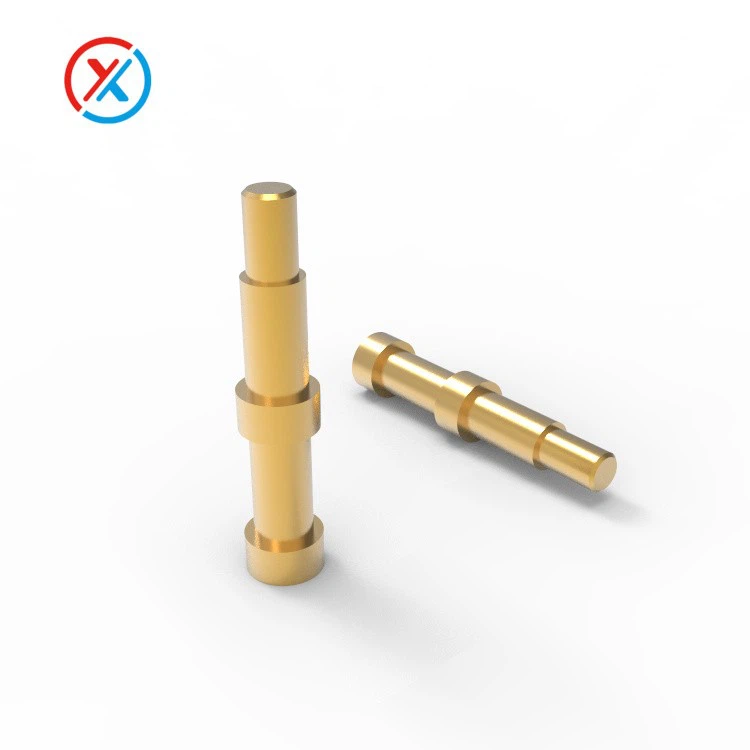
One of the first steps in improving contact reliability is choosing the right materials for your SMT pogo pins. High - quality materials can withstand the rigors of harsh environments better. For example, using a high - grade stainless steel for the pin body can provide excellent corrosion resistance. It can handle exposure to moisture and chemicals without rusting or degrading.
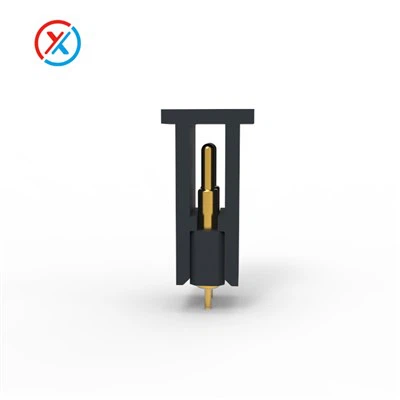
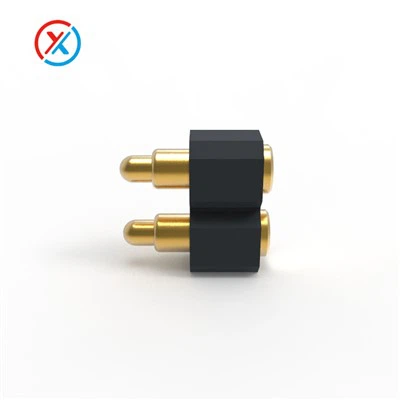
The tip of the pogo pin is also crucial. A gold - plated tip is a popular choice because gold is highly conductive and resistant to oxidation. It ensures a stable electrical connection even in challenging conditions. You can check out our SMD Pogo Pins which are made with high - quality materials to offer reliable performance.
Design Considerations
The design of the SMT pogo pins also plays a significant role in contact reliability. A well - designed pin should have a proper contact force. If the contact force is too low, the pin might not make a good connection. On the other hand, if it's too high, it can cause damage to the mating surface.
The shape of the pin tip is also important. A rounded tip can distribute the contact force more evenly, reducing the risk of damage to the mating surface. Additionally, the pin should be designed to minimize the effects of vibrations. For example, some pins are designed with a shock - absorbing mechanism to prevent the pin from moving out of position due to vibrations. You can explore our Surface Mount Pogo Pins which are carefully designed for optimal performance.
Surface Treatment
Surface treatment can significantly improve the contact reliability of SMT pogo pins. As mentioned earlier, gold plating is a common and effective surface treatment. It not only provides good conductivity but also protects the pin from corrosion.
Another surface treatment option is nickel plating. Nickel can act as a barrier between the base metal and the environment, preventing corrosion. It also provides a hard surface that can resist wear and tear. Our Pogo Pin Lead - Free High Quality pins are treated with advanced surface treatments to ensure long - lasting performance.
Testing and Quality Control
Testing is an essential part of ensuring contact reliability. Before the pogo pins are shipped out, they should be tested under simulated harsh conditions. This includes testing for temperature resistance, humidity resistance, and vibration resistance.
Quality control measures should be in place to ensure that only pins that meet the required standards are sent to customers. This includes visual inspections for any defects, as well as electrical testing to check the conductivity and contact resistance.
Maintenance and Care
Even with high - quality pogo pins, proper maintenance and care are necessary to ensure long - term contact reliability. In harsh environments, it's important to regularly clean the pins to remove any dust or debris. This can be done using a soft brush or compressed air.
If the pins are exposed to moisture, they should be dried thoroughly to prevent corrosion. Additionally, it's a good idea to check the pins periodically for any signs of wear or damage. If any issues are found, the pins should be replaced immediately.
Conclusion
Improving the contact reliability of SMT pogo pins in harsh environments is a multi - faceted process. It involves choosing the right materials, designing the pins properly, applying appropriate surface treatments, conducting thorough testing, and providing proper maintenance.
If you're in the market for high - quality SMT pogo pins that can perform well in harsh environments, don't hesitate to get in touch with us. We're here to help you find the perfect solution for your needs. Whether you're working on a project in a high - temperature industrial setting or a humid outdoor environment, our pogo pins are designed to meet your requirements.
References
- "Electrical Contact Technology" by John J. Lander
- "Reliability Engineering and Management" by Patrick D. T. O'Connor