

Hey there! As a supplier of right angle pogo pins, I've seen firsthand how important wear resistance is for these little but mighty components. Right angle pogo pins are used in all sorts of electronic devices, from smartphones to industrial equipment. And when they're constantly in use, wear and tear can become a real issue. So, in this blog post, I'm gonna share some tips on how to improve the wear resistance of right angle pogo pins.
Understanding the Basics of Right Angle Pogo Pins
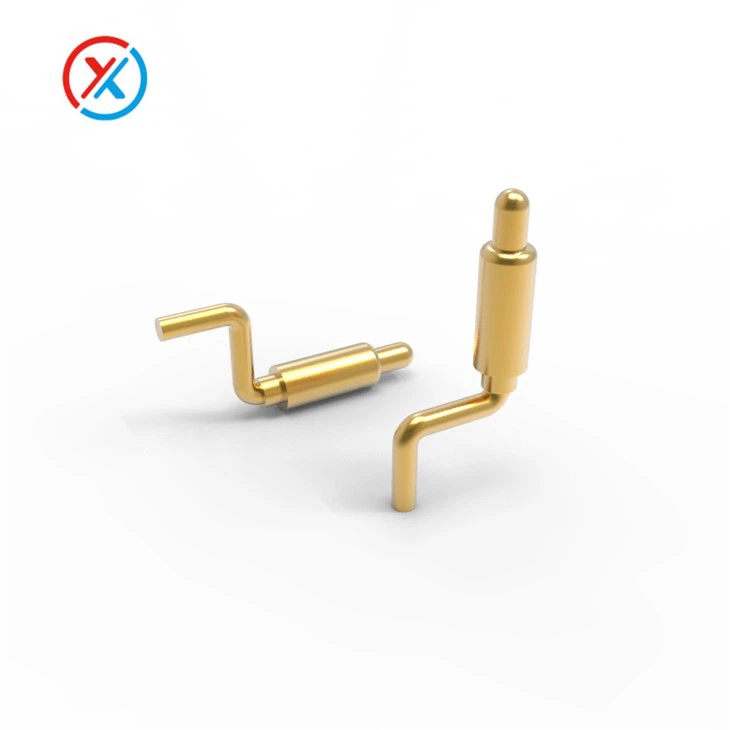
Before we dive into the ways to improve wear resistance, let's quickly go over what right angle pogo pins are. These are spring-loaded pins that are designed to make electrical connections in tight spaces or at right angles. They're super useful because they can provide a reliable connection even when there's some movement or vibration. You can check out more about Electrical Pogo Pins on our website.
Material Selection
One of the most important factors in improving wear resistance is choosing the right materials. The materials used for the pin, the barrel, and the spring all play a role.
Pin Material
The pin is the part that makes direct contact with the mating surface, so it needs to be tough. Materials like beryllium copper are popular because they have good electrical conductivity and are relatively hard. They can withstand a lot of friction and wear. Another option is phosphor bronze, which is also quite durable and has good spring properties.
Barrel Material
The barrel holds the pin and the spring in place. Stainless steel is a great choice for the barrel because it's corrosion-resistant and strong. It can protect the internal components from damage and keep the pin in the right position.
Spring Material
The spring provides the necessary force for the pin to make contact. High-quality spring steel is commonly used because it can maintain its elasticity over a long period. This ensures that the pin always has the right amount of pressure against the mating surface, reducing wear. You can learn more about Spring Loaded Pin Contact on our site.

Surface Treatment
Surface treatment is another key aspect of improving wear resistance. There are several methods that can be used.
Plating
Plating the pin with a hard metal like gold or nickel can significantly increase its wear resistance. Gold is a great choice because it's highly conductive and resistant to corrosion. It also has a low coefficient of friction, which means less wear when the pin makes contact. Nickel plating is also popular because it's relatively inexpensive and can provide good protection.
Coating
Applying a special coating to the pin can also help. Some coatings are designed to reduce friction and prevent wear. For example, a dry film lubricant coating can create a smooth surface that allows the pin to slide easily against the mating surface.
Design Optimization
The design of the right angle pogo pin can also have a big impact on its wear resistance.
Contact Area
Increasing the contact area between the pin and the mating surface can distribute the pressure more evenly. This reduces the stress on any one point and can prevent excessive wear. For example, a pin with a larger tip or a flat contact surface can be more wear-resistant.
Spring Design
The design of the spring can affect how the pin behaves under pressure. A well-designed spring can provide a consistent force and prevent the pin from bouncing or vibrating too much. This reduces the impact on the contact surface and can improve wear resistance. You can find more details about Spring Loaded Pogo Pins on our website.
Operating Conditions
The way the right angle pogo pins are used also matters. Here are some things to keep in mind.
Temperature
Extreme temperatures can affect the performance and wear resistance of the pins. High temperatures can cause the materials to expand and become softer, while low temperatures can make them more brittle. It's important to use the pins within their recommended temperature range.
Vibration and Shock
Excessive vibration and shock can cause the pins to move around and wear out faster. If the pins are used in an environment with a lot of vibration, it might be necessary to use additional shock-absorbing materials or mounts to protect them.
Cleaning and Maintenance
Regular cleaning and maintenance can also help improve wear resistance. Keeping the pins clean can prevent dirt and debris from getting between the contact surfaces and causing abrasion. It's a good idea to use a mild cleaning solution and a soft brush to clean the pins periodically.
Testing and Quality Control
Before the right angle pogo pins are shipped out, it's crucial to conduct thorough testing. This can help identify any potential issues with wear resistance.
Wear Testing
Wear testing involves simulating the actual operating conditions and measuring how much wear occurs over a certain number of cycles. This can give an indication of how long the pins will last in real-world use.
Electrical Testing
Electrical testing is also important. It ensures that the pins maintain good electrical conductivity even after a lot of wear. Any drop in conductivity could be a sign of excessive wear.
Conclusion
Improving the wear resistance of right angle pogo pins is a multi-faceted process. It involves choosing the right materials, applying appropriate surface treatments, optimizing the design, considering the operating conditions, and conducting thorough testing. By following these steps, we can ensure that our right angle pogo pins are durable and reliable.
If you're in the market for high-quality right angle pogo pins, we'd love to hear from you. Whether you have questions about our products or want to discuss a specific project, feel free to reach out. We're here to help you find the best solutions for your needs.
References
- "Materials Science and Engineering: An Introduction" by William D. Callister Jr. and David G. Rethwisch
- "Electrical Contacts: Principles and Applications" by Kenneth E. Pitney


