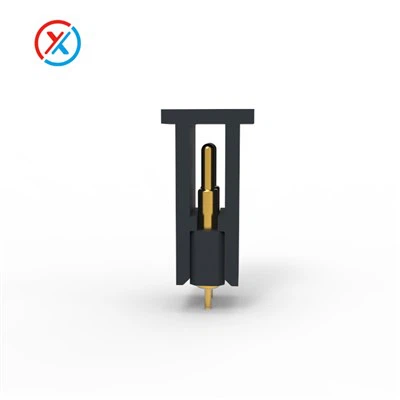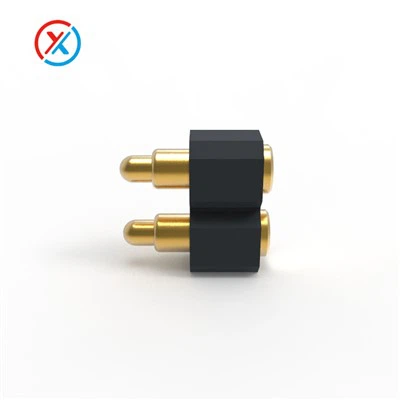
Humidity is a crucial environmental factor that can significantly impact the performance and reliability of Pogo Pins PCB. As a Pogo Pins PCB supplier, I have witnessed firsthand the various effects of humidity on these components. In this blog, I will delve into the science behind how humidity affects Pogo Pins PCB and discuss the implications for manufacturers and end - users.
The Basics of Pogo Pins PCB
Pogo Pins, also known as Po Go Pin, are spring - loaded pins used in printed circuit boards (PCBs) for electrical connections. They are commonly found in a wide range of electronic devices, from smartphones and tablets to industrial equipment. These pins offer a reliable and flexible connection solution, allowing for easy mating and unmating of components.

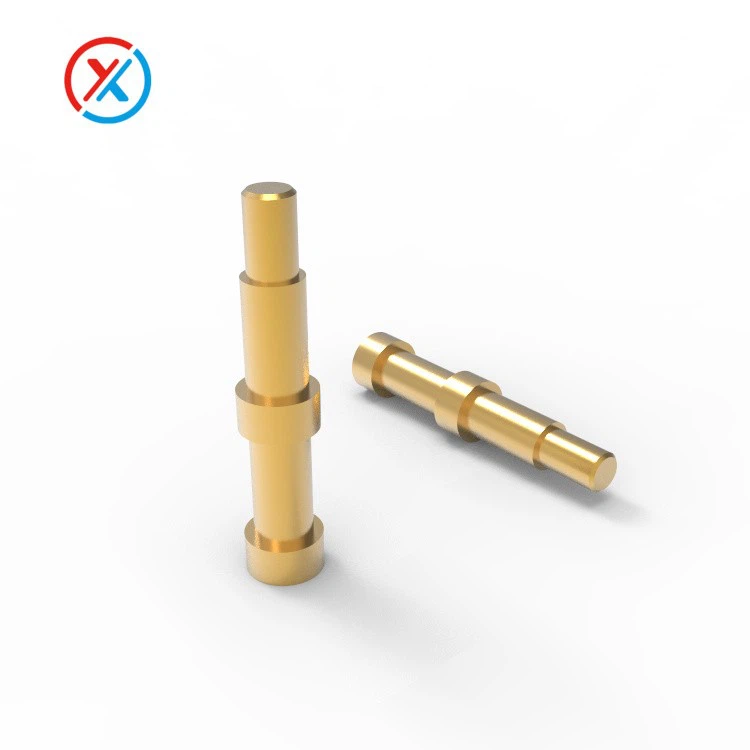
Surface Mount Pogo Pins are a popular type of Pogo Pins that are designed to be soldered directly onto the PCB surface. They are known for their high - density packaging and excellent electrical performance. Spring Contact Pins are another variation, which use a spring mechanism to ensure a stable electrical connection.
How Humidity Affects Pogo Pins PCB
Corrosion
One of the most significant effects of humidity on Pogo Pins PCB is corrosion. When the relative humidity in the environment is high, water vapor can condense on the surface of the Pogo Pins. This water contains dissolved oxygen and other impurities, which can react with the metal pins to form metal oxides. For example, if the Pogo Pins are made of copper, copper oxide will form over time.
Corrosion can lead to several problems. Firstly, it can increase the contact resistance of the Pogo Pins. As the metal oxide layer builds up, it acts as an insulator, reducing the flow of electrical current. This can result in signal degradation, power loss, and even complete failure of the electrical connection.
Secondly, corrosion can weaken the mechanical structure of the Pogo Pins. The metal oxide layer is often brittle and can cause the pins to become more prone to breakage. This can lead to intermittent connections or permanent damage to the PCB.
Electrical Insulation Issues
High humidity can also affect the electrical insulation properties of the PCB. Moisture can penetrate the insulating materials on the PCB, reducing their dielectric strength. This can lead to electrical leakage between different circuit traces, which can cause short - circuits and other electrical malfunctions.
In addition, humidity can cause the growth of conductive salts on the PCB surface. These salts can form a conductive path between different components, leading to unwanted electrical connections and interference.
Mechanical Performance
Humidity can also have an impact on the mechanical performance of Pogo Pins. The expansion and contraction of materials due to changes in humidity can cause stress on the Pogo Pins and the PCB. For example, if the humidity increases, the Pogo Pins may expand slightly. If the PCB does not expand at the same rate, it can cause misalignment of the pins and affect the mating and unmating process.
Moreover, high humidity can make the Pogo Pins more prone to sticking. The moisture can act as a lubricant in some cases, but it can also cause the pins to adhere to each other or to the mating surface. This can make it difficult to separate the components and can lead to damage during the disconnection process.
Mitigating the Effects of Humidity
As a Pogo Pins PCB supplier, we understand the importance of mitigating the effects of humidity. Here are some strategies that can be employed:
Material Selection
Choosing the right materials for Pogo Pins and PCBs is crucial. For example, using corrosion - resistant metals such as stainless steel or gold - plated pins can significantly reduce the risk of corrosion. The PCB substrate should also be made of materials with good moisture resistance.
Coating
Applying a protective coating to the Pogo Pins and the PCB can help to prevent moisture from reaching the metal surfaces. There are various types of coatings available, such as conformal coatings, which can provide a barrier against humidity and other environmental factors.
Environmental Control
Controlling the environment in which the Pogo Pins PCB is used and stored is essential. This can involve using dehumidifiers in storage areas to keep the relative humidity at a low level. In some cases, hermetically sealed enclosures can be used to protect the PCB from moisture.
Implications for Manufacturers and End - Users
For manufacturers, understanding the effects of humidity on Pogo Pins PCB is crucial for ensuring the quality and reliability of their products. By taking appropriate measures to mitigate the effects of humidity, manufacturers can reduce the risk of product failures and improve customer satisfaction.
For end - users, humidity - related issues can lead to inconvenience and costly repairs. It is important for end - users to be aware of the environmental conditions in which their electronic devices are used and to take steps to protect them from high humidity.
Conclusion
Humidity can have a significant impact on the performance and reliability of Pogo Pins PCB. Corrosion, electrical insulation issues, and mechanical performance problems are some of the key effects of humidity. As a Pogo Pins PCB supplier, we are committed to providing high - quality products that can withstand the challenges posed by humidity.
If you are interested in purchasing Pogo Pins PCB or have any questions about how humidity may affect your specific application, please feel free to contact us for a detailed discussion. We are here to help you find the best solutions for your needs.
References
- "Handbook of Printed Circuit Board Technology" by Clyde F. Coombs Jr.
- "Electrical Contacts: Principles and Applications" by E. A. Chernecki.
- "Environmental Effects on Electronic Components and Systems" by R. J. Tummala.