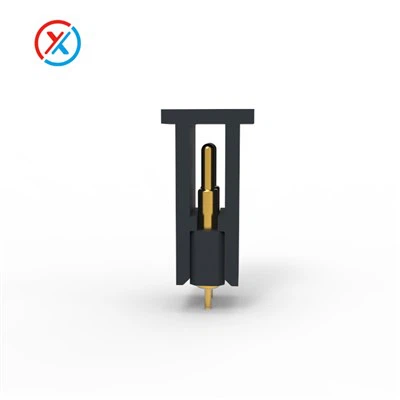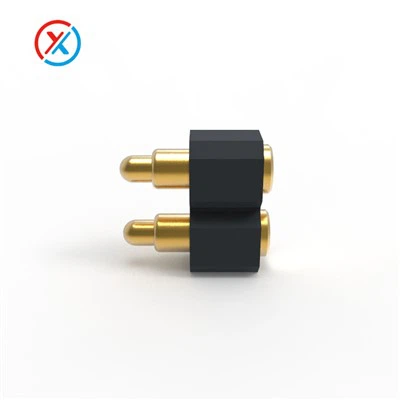
As a supplier of Pogo Pin Female, I've witnessed firsthand the critical role these components play in various electronic products. The design optimization of Pogo Pin Female is not just about enhancing performance; it's about meeting the specific needs of a product and ensuring its long - term reliability. In this blog, I'll share some insights on how to optimize the design of Pogo Pin Female for a specific product.
Understanding the Product Requirements
The first step in optimizing the design of Pogo Pin Female is to have a thorough understanding of the product requirements. This includes electrical, mechanical, and environmental factors.


Electrical Requirements
- Current Capacity: Different products have different power requirements. For high - power applications, such as High Current Pogo Pins DC 25A, the Pogo Pin Female needs to be designed to handle large currents without overheating. The cross - sectional area of the pin and the material used are crucial factors. Copper alloys are often preferred for their good electrical conductivity.
- Voltage Rating: The voltage rating of the Pogo Pin Female must be compatible with the product's electrical system. A higher voltage may require better insulation and a more robust design to prevent arcing and electrical breakdown.
- Signal Transmission: In products that require signal transmission, such as data - transfer devices, the Pogo Pin Female should have low contact resistance and good signal integrity. This can be achieved by using high - quality contact materials and precise manufacturing processes.
Mechanical Requirements
- Contact Force: The contact force between the Pogo Pin Male and Female is essential for maintaining a stable electrical connection. Too little contact force may result in intermittent connections, while too much force can cause damage to the pins or the mating components. The design should consider the mechanical properties of the spring inside the Pogo Pin Female to ensure an appropriate contact force.
- Stroke Length: The stroke length of the Pogo Pin Female determines how far the pin can move when it comes into contact with the male pin. It needs to be designed according to the product's assembly requirements and the tolerance of the mating components. For example, in a product with a relatively large assembly tolerance, a longer stroke length may be required.
- Durability: The Pogo Pin Female should be able to withstand repeated insertions and removals without significant wear. The choice of materials for the outer shell and the internal components, as well as the surface treatment, can greatly affect its durability.
Environmental Requirements
- Temperature and Humidity: Extreme temperatures and high humidity can affect the performance of Pogo Pin Female. In high - temperature environments, the material of the Pogo Pin Female should have good heat resistance to prevent deformation and loss of electrical properties. In humid environments, corrosion - resistant materials and proper sealing are necessary.
- Vibration and Shock: Products that are subject to vibration and shock, such as automotive electronics, require Pogo Pin Female with a more robust design. The internal structure of the Pogo Pin Female should be able to withstand these mechanical stresses without losing contact.
Material Selection
The choice of materials is a key factor in optimizing the design of Pogo Pin Female.
Contact Materials
- Gold - Plated Contacts: Gold is widely used for its excellent electrical conductivity, corrosion resistance, and low contact resistance. Gold - plated contacts can ensure a stable electrical connection over a long period, especially in applications where signal transmission is critical.
- Silver - Plated Contacts: Silver also has good electrical conductivity, but it is more prone to oxidation. However, in some applications where cost is a major concern and the environment is relatively stable, silver - plated contacts can be a viable option.
Spring Materials
- Stainless Steel Springs: Stainless steel springs are commonly used for their good mechanical properties and corrosion resistance. They can provide a stable contact force over a long service life.
- Music Wire Springs: Music wire springs are known for their high strength and good elasticity. They are suitable for applications where a large contact force is required.
Outer Shell Materials
- Plastic Shells: Plastic shells are lightweight, inexpensive, and can be easily molded into various shapes. They are often used in consumer electronics products. However, they may have limited mechanical strength and heat resistance.
- Metal Shells: Metal shells offer better mechanical protection and electromagnetic shielding. They are commonly used in industrial and automotive applications.
Design Considerations for Specific Products
Mobile Devices
In mobile devices, such as smartphones and tablets, the Pogo Pin Female needs to be compact and lightweight. 2mm Pogo Pin are often used due to their small size. The design should also focus on reducing power consumption and improving signal transmission. For example, using gold - plated contacts can minimize power loss and ensure reliable data transfer.
Wearable Devices
Wearable devices have strict requirements for size, weight, and power consumption. The Pogo Pin Female should be designed to be as small and lightweight as possible. In addition, it needs to be able to withstand the movement and bending associated with wearable use. A flexible design and a durable spring can help meet these requirements.
Charging Stations
Charging stations, such as Pogo Pin Charger, require Pogo Pin Female with high current - carrying capacity. The design should focus on heat dissipation to prevent overheating during charging. A larger cross - sectional area of the pin and a good thermal management system can be used to achieve this.
Manufacturing and Quality Control
Once the design is finalized, the manufacturing process and quality control are crucial for ensuring the performance of the Pogo Pin Female.
Precision Manufacturing
- Machining: Precision machining is required to ensure the dimensional accuracy of the Pogo Pin Female. Computer - numerical - control (CNC) machining can achieve high precision and repeatability.
- Plating: The plating process should be carefully controlled to ensure a uniform and high - quality plating layer. This can improve the corrosion resistance and electrical properties of the Pogo Pin Female.
Quality Control
- Electrical Testing: Electrical testing, such as measuring contact resistance and current - carrying capacity, should be conducted on each Pogo Pin Female. This can help identify any defective products before they are assembled into the final product.
- Mechanical Testing: Mechanical testing, including contact force testing and stroke length testing, is also necessary to ensure the mechanical performance of the Pogo Pin Female.
Conclusion
Optimizing the design of Pogo Pin Female for a specific product requires a comprehensive understanding of the product requirements, careful material selection, and strict manufacturing and quality control. By considering electrical, mechanical, and environmental factors, we can design Pogo Pin Female that meet the specific needs of different products.
If you are interested in our Pogo Pin Female products or need more information on design optimization, please feel free to contact us for procurement and further discussions. We are committed to providing high - quality products and professional technical support to meet your specific requirements.
References
- "Electrical Contacts: Principles and Applications" by E. M. Engelhard
- "Mechanical Design Handbook" by Robert C. Juvinall and Kurt M. Marshek
- Industry standards and specifications related to Pogo Pin design and manufacturing.