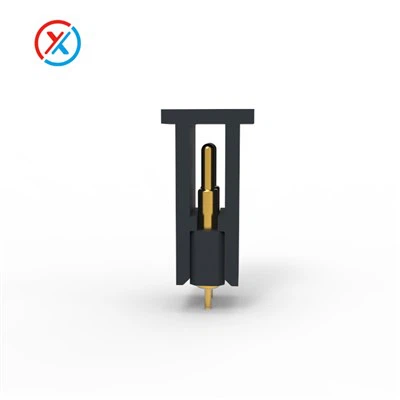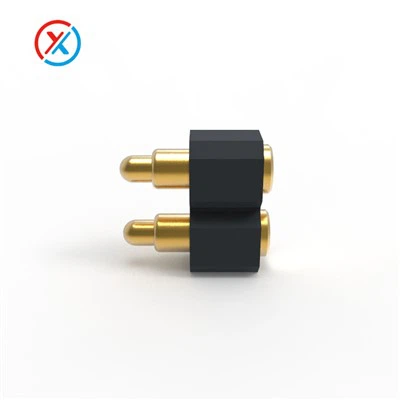
Hey there! As a supplier of Pogo Pin Female, I've been in the game for quite a while, and I know a thing or two about the common connection methods for these little but mighty components. In this blog, I'll share with you the ins and outs of how Pogo Pin Female can be connected, which can be super useful for those of you in the electronics industry or anyone interested in this tech.
Solder Connection
One of the most popular ways to connect Pogo Pin Female is through soldering. It's a classic method that's been around for ages and is still widely used today. Soldering involves melting a filler metal, usually a type of solder alloy, to join the Pogo Pin Female to a printed circuit board (PCB) or other electronic components.
The process is relatively straightforward. First, you need to prepare the PCB by cleaning the surface where the Pogo Pin Female will be attached. This helps ensure a good bond. Then, you place the Pogo Pin Female in the correct position on the PCB, aligning it with the corresponding pads. Next, you heat up the soldering iron and apply a small amount of solder to the joint. The solder should flow smoothly and create a solid connection between the pin and the PCB.
One of the main advantages of soldering is its reliability. Once the solder cools and solidifies, it forms a strong and permanent bond that can withstand vibrations and mechanical stress. This makes it ideal for applications where a stable connection is crucial, such as in automotive electronics or industrial equipment.


However, soldering also has its drawbacks. It requires some skill and experience to do it properly, especially when dealing with small components like Pogo Pin Female. If the soldering is not done correctly, it can lead to issues such as poor electrical conductivity, short circuits, or even damage to the components. Additionally, soldering can be time-consuming, especially when you have a large number of pins to connect.
Press-Fit Connection
Another common connection method for Pogo Pin Female is the press-fit connection. This method involves inserting the Pogo Pin Female into a pre-drilled hole in the PCB or other substrate. The pin is designed to have a slightly larger diameter than the hole, so when it's inserted, it creates a tight interference fit.
The press-fit connection offers several advantages. It's a relatively simple and quick process that doesn't require any additional tools or materials like solder. This makes it a cost-effective option, especially for high-volume production. Additionally, the press-fit connection provides a good electrical connection and can withstand moderate levels of vibration and shock.
However, there are also some limitations to the press-fit connection. The hole size and tolerance need to be carefully controlled to ensure a proper fit. If the hole is too large, the pin may not make a good connection, and if it's too small, it can be difficult to insert the pin without damaging it. Also, the press-fit connection may not be as reliable as soldering in applications where there are high levels of mechanical stress or vibration.
Surface Mount Technology (SMT)
Surface Mount Technology (SMT) is another popular method for connecting Pogo Pin Female. In SMT, the Pogo Pin Female is placed directly on the surface of the PCB and then soldered using a reflow soldering process.
The SMT process starts with applying a thin layer of solder paste to the PCB pads. The Pogo Pin Female is then placed on top of the solder paste using a pick-and-place machine. The PCB is then heated in a reflow oven, which melts the solder paste and forms a connection between the pin and the PCB.
SMT offers several benefits. It allows for a higher density of components on the PCB, which can save space and reduce the overall size of the electronic device. It also provides a more automated and efficient manufacturing process, which can lead to lower costs and higher production rates. Additionally, SMT connections are generally more reliable than through-hole connections because they are less susceptible to mechanical stress and vibration.
However, SMT also has some challenges. It requires specialized equipment and expertise, which can be expensive to set up. The reflow soldering process needs to be carefully controlled to ensure proper soldering and avoid issues such as solder bridging or tombstoning. Also, SMT components are more sensitive to electrostatic discharge (ESD), so proper ESD protection measures need to be taken during handling and assembly.
Connector Connection
In some cases, Pogo Pin Female can be connected using connectors. There are various types of connectors available, such as Spring Loaded Pin, Pogo Pin Charger, and Spring Loaded Header Pins. These connectors provide a convenient and removable connection between the Pogo Pin Female and other components or devices.
Connector connections are easy to install and remove, which makes them ideal for applications where the components need to be replaced or serviced frequently. They also offer a good electrical connection and can be used in a wide range of environments.
However, connectors can be more expensive than other connection methods, and they may take up more space on the PCB. Additionally, the reliability of the connector connection depends on the quality of the connector and the mating components.
Conclusion
In conclusion, there are several common connection methods for Pogo Pin Female, each with its own advantages and disadvantages. The choice of connection method depends on various factors, such as the application requirements, the manufacturing process, and the cost.
As a Pogo Pin Female supplier, I can offer you high-quality products and expert advice on the best connection method for your specific needs. Whether you're looking for a reliable soldering solution, a cost-effective press-fit connection, or a convenient connector option, I've got you covered.
If you're interested in purchasing Pogo Pin Female or have any questions about the connection methods, feel free to reach out to me. I'd be more than happy to discuss your requirements and help you find the right solution for your project.
References
- Smith, J. (2020). Electronics Assembly Handbook. New York: Wiley.
- Jones, A. (2019). Surface Mount Technology: Principles and Practice. London: Elsevier.
- Brown, C. (2018). Soldering Techniques for Electronics. Boston: McGraw-Hill.