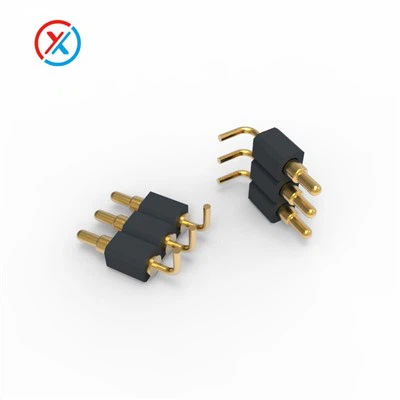
As a supplier of Pin Pogo, I've been deeply involved in the industry for quite some time. Pin Pogo, also known as Pogo Pins, are precision spring-loaded pins widely used in various electronic devices for electrical connections. These pins are essential components in modern electronics, ensuring reliable and efficient power and signal transmission. In this blog post, I'll delve into the regulatory requirements for Pin Pogo, which are crucial for both manufacturers and users in the electronics industry.
1. Safety Regulations
Safety is of utmost importance when it comes to electronic components like Pin Pogo. These pins are often used in devices that are in close contact with users, such as smartphones, tablets, and wearables. Therefore, they must comply with strict safety standards.
Electrical Safety
Pin Pogo must meet electrical safety requirements to prevent electrical shock and short circuits. This includes proper insulation and appropriate current-carrying capacity. For example, in the United States, the Underwriters Laboratories (UL) sets standards for electrical safety. UL 60950-1, which is applicable to information technology equipment, includes requirements for electrical components like Pin Pogo. Manufacturers need to ensure that their Pin Pogo products are tested and certified to meet these standards.
Mechanical Safety
Mechanical safety is also a key aspect. Pin Pogo should be designed and manufactured in a way that they do not pose a risk of injury to users. This means that the pins should have smooth edges and be securely attached to their housing. Additionally, they should be able to withstand normal usage and handling without breaking or detaching. International standards such as ISO 13849 provide guidelines for mechanical safety in machinery and equipment, which can be relevant for Pin Pogo used in industrial applications.
2. Environmental Regulations
In today's world, environmental protection is a major concern. Pin Pogo manufacturers need to comply with various environmental regulations to minimize the impact of their products on the environment.
RoHS Compliance
The Restriction of Hazardous Substances (RoHS) directive restricts the use of certain hazardous substances in electrical and electronic equipment. Pin Pogo must be RoHS-compliant, which means they should not contain substances such as lead, mercury, cadmium, hexavalent chromium, polybrominated biphenyls (PBBs), and polybrominated diphenyl ethers (PBDEs). Compliance with RoHS is not only a legal requirement in many countries but also helps to promote sustainable and environmentally friendly manufacturing practices.
REACH Compliance
The Registration, Evaluation, Authorization, and Restriction of Chemicals (REACH) regulation in the European Union aims to ensure the safe use of chemicals. Pin Pogo manufacturers need to comply with REACH requirements, which include registering the chemicals used in their products and providing information on their safety. This helps to protect human health and the environment from the risks associated with chemicals.
3. Quality and Performance Regulations
Pin Pogo need to meet certain quality and performance standards to ensure their proper functioning in electronic devices.
Dimensional Accuracy
Pin Pogo must have precise dimensions to fit correctly into the devices they are used in. This includes the diameter, length, and pitch of the pins. Dimensional accuracy is crucial for ensuring a proper electrical connection and preventing issues such as misalignment or poor contact. Manufacturers often use advanced manufacturing techniques and quality control measures to ensure the dimensional accuracy of their Pin Pogo products.
Contact Resistance
Contact resistance is an important parameter for Pin Pogo. Low contact resistance is essential for efficient power and signal transmission. Manufacturers need to ensure that their Pin Pogo products have low and stable contact resistance over their lifespan. This can be achieved through proper material selection and surface treatment.
Durability
Pin Pogo should be able to withstand repeated use without significant degradation in performance. They need to have a certain number of insertion and extraction cycles without losing their electrical and mechanical properties. Durability testing is often carried out to ensure that Pin Pogo meet the required standards.
4. Industry Standards and Certifications
In addition to the regulatory requirements mentioned above, there are also industry standards and certifications that can help to ensure the quality and reliability of Pin Pogo.
IPC Standards
The Institute for Printed Circuits (IPC) has developed a series of standards for electronic components, including Pin Pogo. These standards cover various aspects such as design, manufacturing, and testing. Compliance with IPC standards can help manufacturers to produce high-quality Pin Pogo products.
ISO Certifications
ISO certifications, such as ISO 9001 for quality management systems and ISO 14001 for environmental management systems, can also be important for Pin Pogo manufacturers. These certifications demonstrate that a manufacturer has implemented effective quality and environmental management practices.
5. Importance of Regulatory Compliance for Pin Pogo Suppliers
As a Pin Pogo supplier, regulatory compliance is not only a legal requirement but also a way to build trust with customers. By ensuring that our products meet all the necessary regulatory requirements, we can provide our customers with high-quality and reliable Pin Pogo. This can help us to gain a competitive edge in the market and expand our customer base.
Moreover, regulatory compliance can also help to reduce the risk of product recalls and legal issues. Non-compliance with regulations can lead to significant financial losses and damage to a company's reputation. Therefore, it is in the best interest of Pin Pogo suppliers to stay up-to-date with the latest regulatory requirements and ensure that their products are fully compliant.
6. Conclusion
In conclusion, the regulatory requirements for Pin Pogo are diverse and cover various aspects such as safety, environmental protection, quality, and performance. As a Pin Pogo supplier, it is our responsibility to ensure that our products meet all the necessary regulatory requirements. By doing so, we can provide our customers with high-quality and reliable Pin Pogo that meet their needs.
If you are interested in purchasing Pin Pogo, we invite you to explore our product range. You can find more information about our Pogo Contacts 1mm, Pin Pogo, and Po Go Pin on our website. We are always ready to discuss your specific requirements and provide you with the best solutions. Contact us today to start the procurement process.


References
- Underwriters Laboratories (UL). UL 60950-1: Information technology equipment - Safety - Part 1: General requirements.
- International Organization for Standardization (ISO). ISO 13849: Safety of machinery - Safety-related parts of control systems.
- European Union. Restriction of Hazardous Substances (RoHS) directive.
- European Union. Registration, Evaluation, Authorization, and Restriction of Chemicals (REACH) regulation.
- Institute for Printed Circuits (IPC). Various standards for electronic components.
- International Organization for Standardization (ISO). ISO 9001: Quality management systems - Requirements.
- International Organization for Standardization (ISO). ISO 14001: Environmental management systems - Requirements with guidance for use.