Hey there! As a supplier of spring pin connectors, I often get asked about the abrasion resistance of these nifty little components. So, let's dive right in and explore what abrasion resistance means for spring pin connectors and why it's such a big deal.
What Are Spring Pin Connectors?
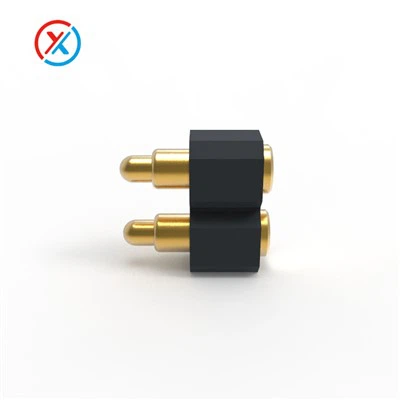
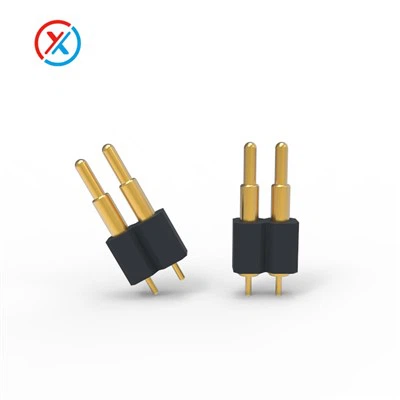
First off, for those who might not be in the know, spring pin connectors, also known as pogo pins, are highly useful electrical connectors. They have a spring-loaded design that allows them to establish reliable electrical connections, even in challenging environments. These connectors are super versatile and are used in all sorts of applications, from consumer electronics like smartphones and tablets to industrial equipment and medical devices.
Understanding Abrasion Resistance
Abrasion resistance, in a nutshell, is the ability of a material or component to withstand wear and tear caused by friction. When it comes to spring pin connectors, abrasion resistance is crucial because these connectors are often used in applications where they are repeatedly mated and unmated. With each connection and disconnection, there's friction between the pin and the mating surface, and over time, this friction can start to wear down the pin.
If a spring pin connector doesn't have good abrasion resistance, it can lead to a bunch of problems. The most obvious one is that the electrical performance can degrade. As the pin wears down, the contact resistance can increase, which can cause signal loss, power loss, or even intermittent connections. This can be a real headache, especially in applications where reliability is key, like in medical devices or aerospace equipment.
Another issue that can arise from poor abrasion resistance is mechanical failure. If the pin wears down too much, it can break or lose its springiness, which means it won't be able to make a proper connection anymore. This can result in the entire device or system malfunctioning, which can be costly and time-consuming to fix.
Factors Affecting Abrasion Resistance
There are several factors that can affect the abrasion resistance of spring pin connectors. One of the most important ones is the material used to make the pin. Different metals and alloys have different levels of hardness and wear resistance. For example, materials like gold and platinum are known for their excellent corrosion resistance and low contact resistance, but they can be relatively soft and may not have the best abrasion resistance. On the other hand, metals like stainless steel and tungsten are much harder and more wear-resistant, but they may have higher contact resistance.
The surface finish of the pin also plays a big role in abrasion resistance. A smooth surface finish can reduce friction and wear, while a rough surface can increase it. That's why many spring pin connectors are coated with a thin layer of a hard, wear-resistant material, like nickel or rhodium, to improve their abrasion resistance.
The design of the spring pin connector can also affect its abrasion resistance. For example, the shape of the pin tip can affect how it contacts the mating surface. A rounded tip can distribute the contact force more evenly, which can reduce wear. The spring force of the connector is also important. If the spring force is too high, it can increase the friction and wear between the pin and the mating surface. On the other hand, if the spring force is too low, it may not be able to make a reliable connection.
Measuring Abrasion Resistance
So, how do we measure the abrasion resistance of spring pin connectors? Well, there are a few different methods. One common method is to use a wear testing machine, which simulates the mating and unmating process of the connector. The machine repeatedly moves the pin against a mating surface for a certain number of cycles, and then the wear on the pin is measured.
Another method is to use a microscopy technique, like scanning electron microscopy (SEM), to examine the surface of the pin before and after wear testing. This can give us a more detailed look at the wear patterns and the extent of the damage.
Benefits of High Abrasion Resistance
Now that we know what abrasion resistance is and what affects it, let's talk about why it's so important for spring pin connectors. The biggest benefit of high abrasion resistance is increased reliability. Connectors with good abrasion resistance can maintain their electrical and mechanical performance over a longer period of time, even in high-use applications. This means fewer failures and less downtime, which can save you a lot of money in the long run.
High abrasion resistance also means better signal quality. Since the contact resistance remains stable over time, the electrical signals can be transmitted more accurately and efficiently. This is especially important in applications where high-speed data transfer is required, like in telecommunications and computer networks.


In addition, connectors with good abrasion resistance can withstand harsh environments. They can resist wear and tear caused by dust, dirt, moisture, and other contaminants, which makes them suitable for use in outdoor and industrial applications.
Our Spring Pin Connectors
As a supplier of spring pin connectors, we take abrasion resistance very seriously. We use high-quality materials and advanced manufacturing techniques to ensure that our connectors have excellent abrasion resistance. For example, our 20 Pin Pogo Pin Connector is made from a specially formulated alloy that is both hard and corrosion-resistant. The pins are also coated with a thin layer of rhodium to further improve their abrasion resistance.
Our Pogo Pin Pads are designed to provide a smooth and stable mating surface for the pins. They are made from a high-strength plastic material that is resistant to wear and tear. The pads also have a special surface finish that reduces friction and wear.
Our 17 Pin Pogo Pin Connectors are another great option for applications where high abrasion resistance is required. These connectors have a unique design that distributes the contact force evenly, which reduces wear and tear on the pins. The pins are also made from a hard, wear-resistant material and are coated with a layer of nickel to improve their abrasion resistance.
Our Pogo Pin Housing is designed to protect the pins and provide a stable connection. It is made from a high-strength plastic material that is resistant to impact and wear. The housing also has a special design that allows for easy installation and removal of the pins.
Our Pogo Pin Female Connector is compatible with our male connectors and provides a reliable electrical connection. It is made from a high-quality metal material that is resistant to corrosion and wear. The female connector also has a special design that ensures a tight and secure connection with the male pins.
Conclusion
In conclusion, abrasion resistance is a crucial factor to consider when choosing spring pin connectors. Connectors with good abrasion resistance can provide reliable electrical connections, maintain signal quality, and withstand harsh environments. As a supplier of spring pin connectors, we are committed to providing our customers with high-quality products that have excellent abrasion resistance.
If you're in the market for spring pin connectors and want to learn more about our products, feel free to get in touch with us. We'd be happy to discuss your specific requirements and help you find the right connectors for your application. Contact us today to start a conversation about your next project!
References
- Smith, J. K. (2018). Electrical Connector Handbook. McGraw-Hill Education.
- Jones, R. L. (2019). Materials Science for Engineers. Wiley.
- Brown, S. M. (2020). Industrial Electronics: Principles, Devices, and Applications. Elsevier.