In the world of electronic connectors, pogo pin contact pads play a crucial role in establishing reliable electrical connections. As a leading supplier of pogo pin contact pads, I often encounter inquiries about the contact force of these essential components. In this blog post, I'll delve into what the contact force of a pogo pin contact pad is, why it matters, and how it affects the performance of electronic devices.
Understanding Pogo Pin Contact Pads
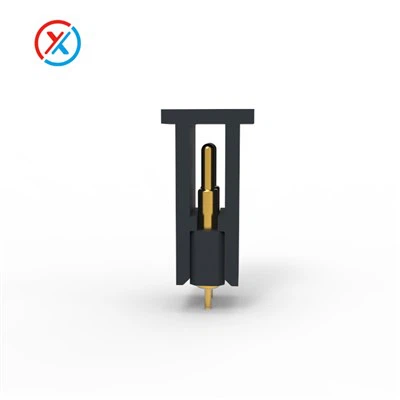
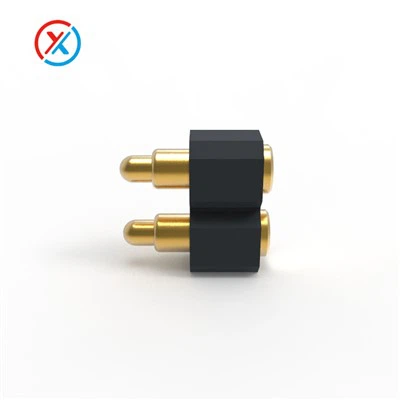
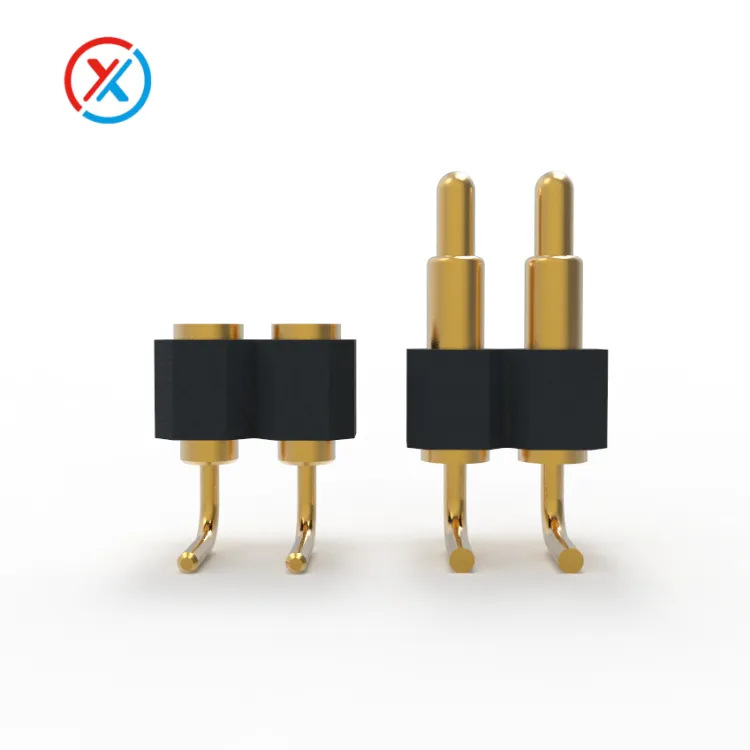
Before we dive into the concept of contact force, let's briefly understand what pogo pin contact pads are. Pogo pins are spring-loaded connectors that are commonly used in electronic devices to provide a reliable and temporary electrical connection. They consist of a plunger, a barrel, and a spring, all enclosed in a housing. The contact pad is the surface where the pogo pin makes contact with another component, such as a printed circuit board (PCB) or a battery terminal.
Pogo pin contact pads are known for their versatility, durability, and high electrical conductivity. They are used in a wide range of applications, including smartphones, tablets, wearables, medical devices, and automotive electronics. Their ability to provide a stable and consistent electrical connection makes them an ideal choice for applications where reliability is paramount.
What is Contact Force?
Contact force refers to the force exerted by the pogo pin on the contact pad when it is in use. This force is essential for ensuring a good electrical connection between the pogo pin and the contact pad. When the pogo pin is pressed against the contact pad, the spring inside the pin compresses, generating a force that pushes the plunger against the contact surface. This force helps to overcome any surface irregularities, contaminants, or oxidation layers that may be present on the contact pad, ensuring a low-resistance electrical connection.
The contact force of a pogo pin is determined by several factors, including the spring constant of the pin, the compression distance, and the design of the pin. The spring constant is a measure of the stiffness of the spring inside the pogo pin. A higher spring constant means that the spring will require more force to compress, resulting in a higher contact force. The compression distance is the amount by which the spring is compressed when the pogo pin is in use. A larger compression distance generally results in a higher contact force. The design of the pin, such as the shape of the plunger and the barrel, can also affect the contact force.
Why is Contact Force Important?
The contact force of a pogo pin contact pad is a critical parameter that can significantly affect the performance and reliability of electronic devices. Here are some reasons why contact force is important:
1. Electrical Conductivity
A sufficient contact force is necessary to ensure low electrical resistance between the pogo pin and the contact pad. Low resistance is crucial for minimizing power loss and heat generation in the electrical connection, which can improve the efficiency and performance of the device. If the contact force is too low, the electrical resistance may increase, leading to power losses, signal degradation, and potential overheating issues.
2. Mechanical Stability
The contact force helps to maintain a stable mechanical connection between the pogo pin and the contact pad. This is particularly important in applications where the device is subject to vibration, shock, or movement. A strong contact force ensures that the pogo pin remains in contact with the contact pad, preventing intermittent connections or disconnections that could cause device malfunctions.
3. Resistance to Oxidation and Contamination
A higher contact force can help to penetrate any oxidation layers or contaminants on the surface of the contact pad. Oxidation and contamination can increase the electrical resistance of the connection, leading to performance issues. By applying sufficient contact force, the pogo pin can break through these layers and establish a clean and reliable electrical connection.
Factors Affecting Contact Force
As mentioned earlier, several factors can affect the contact force of a pogo pin contact pad. Let's take a closer look at these factors:
1. Spring Design
The design of the spring inside the pogo pin is one of the most important factors affecting the contact force. The spring constant, which is determined by the material, diameter, and number of coils of the spring, plays a significant role in determining the contact force. A stiffer spring with a higher spring constant will generate a higher contact force. Additionally, the preload of the spring, which is the initial force applied to the spring when the pogo pin is at rest, can also affect the contact force.
2. Compression Distance
The compression distance, or the amount by which the spring is compressed when the pogo pin is in use, also affects the contact force. As the compression distance increases, the spring is compressed more, resulting in a higher contact force. However, it's important to note that there is a limit to the compression distance, as excessive compression can cause the spring to deform or break, leading to a loss of contact force.
3. Plunger and Barrel Design
The design of the plunger and the barrel can also affect the contact force. The shape and surface finish of the plunger can affect the distribution of the contact force on the contact pad. A well-designed plunger can ensure that the contact force is evenly distributed, reducing the risk of localized wear or damage to the contact pad. The design of the barrel can also affect the alignment and stability of the pogo pin, which can indirectly affect the contact force.

4. Material Properties
The material properties of the pogo pin and the contact pad can also affect the contact force. The hardness and elasticity of the materials can influence the way the pogo pin deforms and the amount of force it exerts on the contact pad. For example, a harder contact pad may require a higher contact force to ensure a good electrical connection.
Measuring and Controlling Contact Force
Measuring and controlling the contact force of pogo pin contact pads is essential for ensuring the quality and reliability of the electrical connections. Here are some common methods for measuring and controlling contact force:
1. Force Testing Equipment
Specialized force testing equipment, such as load cells or force gauges, can be used to measure the contact force of pogo pin contact pads. These devices can provide accurate and reliable measurements of the force exerted by the pogo pin on the contact pad under different conditions.
2. Design Optimization
By optimizing the design of the pogo pin, including the spring, plunger, and barrel, it is possible to control and adjust the contact force. This can be achieved through simulation and testing to ensure that the pogo pin meets the specific requirements of the application.
3. Manufacturing Process Control
Controlling the manufacturing process is also important for ensuring consistent contact force. Factors such as the precision of the machining, the quality of the materials, and the assembly process can all affect the contact force of the pogo pin. By implementing strict quality control measures, it is possible to minimize variations in the contact force and ensure that the pogo pins meet the required specifications.
Applications and Considerations
Pogo pin contact pads are used in a wide range of applications, each with its own specific requirements for contact force. Here are some common applications and considerations:
1. Consumer Electronics
In consumer electronics, such as smartphones, tablets, and wearables, pogo pin contact pads are often used for charging, data transfer, and testing. In these applications, a moderate contact force is typically sufficient to ensure a reliable electrical connection. However, it's important to consider the size and weight of the device, as well as the potential for vibration and movement, when selecting the appropriate contact force.
2. Medical Devices
Medical devices, such as patient monitors, infusion pumps, and diagnostic equipment, require high levels of reliability and safety. The contact force of pogo pin contact pads in medical devices should be carefully selected to ensure a stable and consistent electrical connection. In addition, factors such as biocompatibility and sterilization requirements may also need to be considered.
3. Automotive Electronics
In the automotive industry, pogo pin contact pads are used in a variety of applications, including battery management systems, sensors, and infotainment systems. The contact force in automotive applications needs to be high enough to withstand the harsh operating conditions, such as vibration, shock, and temperature variations. Additionally, the pogo pins should be designed to meet the strict automotive standards for reliability and performance.
Conclusion
The contact force of a pogo pin contact pad is a critical factor that affects the performance, reliability, and durability of electronic devices. Understanding what contact force is, why it matters, and how it is affected by various factors is essential for selecting the right pogo pin contact pads for your application.
As a trusted supplier of pogo pin contact pads, we offer a wide range of products with different contact forces to meet the diverse needs of our customers. Our products are designed and manufactured to the highest standards of quality and reliability, ensuring that you get the best performance from your electronic devices.
If you are interested in learning more about our Spring Loaded Power Connector, Pogo Pin Connectors 10A, 2 Pogo Pins Connector, High Current Pogo Pin Connector, or Connector Pogo Pin, or if you have any questions about contact force or other technical aspects, please feel free to contact us. Our team of experts is ready to assist you with your procurement needs and help you find the perfect solution for your application.
References
- "Connectors for Electronic Systems: Theory and Practice" by Raychem Corp.
- "Electrical Contacts: Principles and Applications" by Kenneth E. Holmberg.