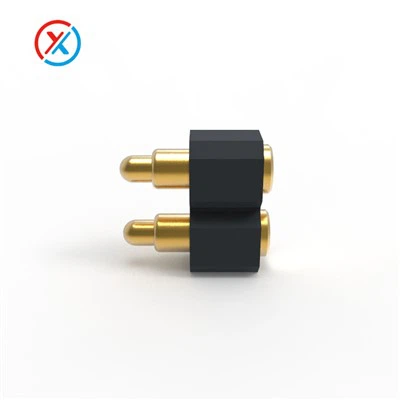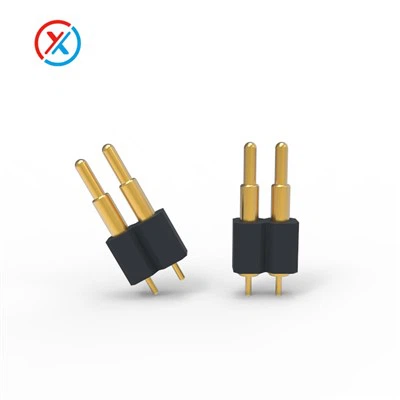
Hey there! As a supplier of large pogo pins, I often get asked about the difference between large pogo pins and regular ones. So, I thought I'd write this blog to clear things up.
Let's start with the basics. Pogo pins are spring - loaded pins that are used in a variety of electronic applications. They're super handy for making electrical connections, especially in situations where you need a reliable and repeatable connection.
Physical Size
The most obvious difference between large pogo pins and regular pogo pins is their size. Large pogo pins are, well, larger! Their dimensions are greater in terms of length, diameter, and overall bulk. Regular pogo pins are smaller and more delicate.
The larger size of large pogo pins means they can handle more current. In electrical applications, current is like the flow of water in a pipe. A larger pipe can carry more water, and similarly, a larger pogo pin can carry more electrical current. This makes large pogo pins ideal for high - power applications where regular pogo pins might overheat or fail.
For example, in some industrial equipment or large - scale electronic devices, large pogo pins are used because they can support the high - current requirements of these systems. Regular pogo pins, on the other hand, are commonly used in smaller electronic devices like smartphones, tablets, and wearables. These devices typically have lower power requirements, so the smaller pins work just fine.
Spring Force
Another key difference is the spring force. Large pogo pins usually have a higher spring force compared to regular pogo pins. The spring force is what allows the pin to make a good electrical contact. A higher spring force means that the pin will press more firmly against the contact surface, resulting in a more reliable connection.
In applications where vibration or movement is common, a higher spring force is crucial. For instance, in automotive electronics, large pogo pins are often used because the vehicle is constantly in motion. The high spring force ensures that the electrical connection remains stable even when the car is bouncing around on the road. Regular pogo pins with lower spring forces are suitable for more static applications where there's less movement.
Durability
Durability is also a factor that sets large pogo pins apart from regular ones. Large pogo pins are generally more durable due to their larger size and sturdier construction. They can withstand more wear and tear, making them a better choice for applications that require a long - lasting connection.
In a manufacturing environment where there are a lot of insertions and removals of the pogo pins, large pogo pins can handle the repeated use better. Regular pogo pins might start to show signs of wear more quickly in such high - usage scenarios.


Cost
Cost is an important consideration when choosing between large and regular pogo pins. Large pogo pins are usually more expensive than regular ones. This is because they use more materials in their construction and often require more complex manufacturing processes.
However, in some cases, the higher cost of large pogo pins is justified. If you're working on a high - end industrial project or a critical electronic application, the reliability and performance of large pogo pins can outweigh the extra cost. On the other hand, if you're working on a budget - friendly consumer product, regular pogo pins might be the more economical choice.
Applications
The applications of large and regular pogo pins also differ significantly.
Large pogo pins are commonly used in industrial automation, power distribution systems, and high - power testing equipment. For example, in a factory automation system, large pogo pins can be used to connect different components of the machinery. They can handle the high - power requirements and the harsh industrial environment.
Regular pogo pins, as mentioned earlier, are widely used in consumer electronics. They're used in things like charging docks for smartphones, smartwatches, and other portable devices. Their small size makes them perfect for these compact applications.
If you're interested in learning more about different types of pogo pins, you can check out these links: Spring Loaded Pogo Pins Lead Free, Pogo Contact Pins, and Loaded Pogo Pin.
Conclusion
In conclusion, large pogo pins and regular pogo pins have distinct differences in terms of size, spring force, durability, cost, and applications. Understanding these differences is crucial when choosing the right pogo pins for your project.
If you're in the market for large pogo pins, I'm here to help. Whether you're working on a high - power industrial project or just need some reliable pogo pins for your latest invention, I can provide you with high - quality large pogo pins that meet your requirements. Reach out to me if you're interested in discussing your specific needs and starting a procurement process. I'm looking forward to working with you!
References
- "Electrical Contacts: Principles and Applications" by Michael Pecht
- "Handbook of Electrical Contacts" by J. E. E. Bagley