

If you’ve ever spent 10 minutes fighting to plug in a USB cable in the dark, or yanking too hard and breaking a port loose from your laptop’s motherboard, you know why connector tech needs an upgrade. When I started working at our company, I spent a lot of time walking clients through the weird little pins inside so many new wireless chargers, medical devices, and portable gadgets—USB pogo pins, right? A lot of folks mix these up with traditional USB cables, so today let’s break down the real differences, no jargon, and throw in a few of our go-to magnetic and pogo pin products that we’ve seen work wonders for customers lately.
First off, let’s keep it basic: traditional USB connectors are what you grab when you need to plug a standard cable into a device. That’s the rectangular USB-A, the tiny USB-C, the micro-USB that’s still kicking around old Android phones. You have to align the pins dead-on, push hard, and they lock until you deliberately pull them out—sometimes so hard you swear you’ll tear the port right off. They’ve been the go-to for decades, but they have real downsides that become way more obvious the more tech we carry around daily.
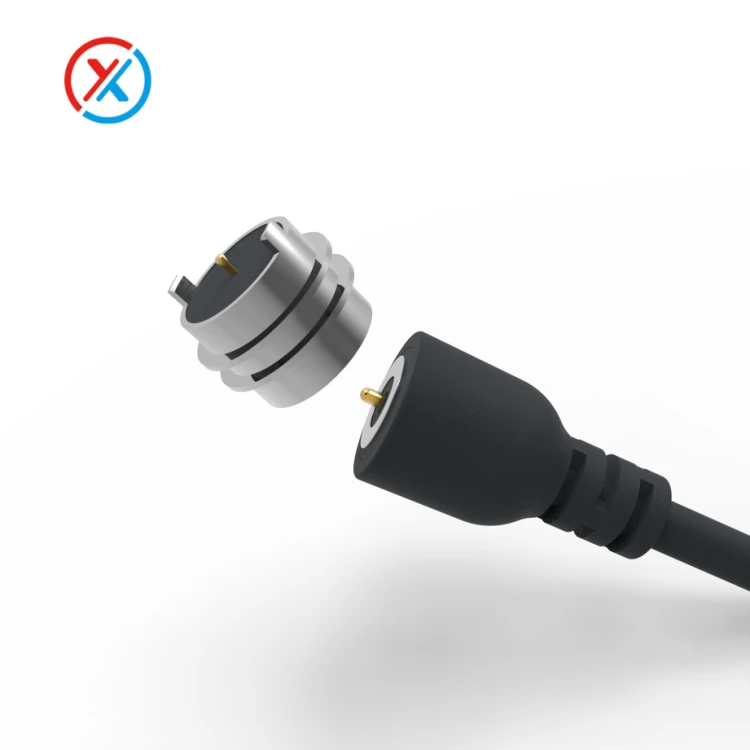
USB pogo pins? These are those spring-loaded little metal probes that peek out from a base, right? We call them “pogo” because they bounce like a pogo stick when something presses against them. Unlike traditional USB connectors, they’re usually built right into a device’s circuit board or a custom cable, not the end of the cable you hold. So instead of plugging a cable into a port, you just align the two parts and they snap together, or press gently, and the pins make contact automatically. No fumbling, no fighting with the flip of a USB-C cable (we’ve all flipped it three times before it fits), no worrying about wiggling the port loose.
Let’s get into the functional differences, because that’s what actually matters when you’re picking between the two. Traditional USB relies on a full, rigid plug that has to mate perfectly with the device’s port. That means there’s physical friction every time you connect or disconnect, and over time, that wears down the ports—especially if you’re yanking it in and out hundreds of times a month. Pogo pins, on the other hand, have that built-in spring. If there’s a little misalignment—like a half-millimeter off-center push—they still make contact because the spring will adjust. That’s a huge win for devices that get jostled around a lot, like wireless earbuds cases, fitness trackers, or even medical devices that someone might fumble while using.
Size and design flexibility is another big one. Traditional USB has to fit a standard form factor: USB-A is about a quarter-inch wide, USB-C is a little under that, micro-USB even smaller. Pogo pins are tiny—like, millimeters across—so you can fit way more connection points into a small space. That’s why you see them in things like smartwatches, where there’s barely enough room for a charging port, let alone data or power pins. We’ve got a great option for when you need a pogo pin that fits a specific space, too: the Pogo Pin Cable Diameter 8.0mm, which is perfect for devices where every millimeter counts. It’s a game-changer for engineers who don’t want to compromise on function just because they’re tight on space.
Now, let’s talk about the nitty-gritty of power and data, because that’s what most people care about. Traditional USB is standardized—you know exactly how much power a USB-A port puts out, USB-C can do up to 100W, data speeds top out at 20Gbps for USB 4. Pogo pins are customizable. They can handle power, data, or both, depending on how many pins you use. You can have a set of pogo pins that only charge a fitness tracker (5V/1A) and another set that transmits data from a portable scanner to a computer. But here’s the catch: they’re not as standardized as traditional USB, so you have to make sure the pogo pin design matches what your device needs. That’s where our magnetic line comes in handy, because a lot of clients pair pogo pins with magnetic connections to make it even easier to use.
Speaking of magnetic connections—let’s tie that in, because a lot of people ask about magnetic cables vs both traditional USB and pogo pins. Magnetic electrical connectors work by having two magnets on either end that pull the connection together, so you don’t have to align anything at all. You can drop your device on the charging pad, and the magnet will snap the cable into place, no fumbling. We’ve got Magnetic Cable Female for when you need the female end of a magnetic connection to attach to your device, Magnetic Wire Connectors for custom wiring setups, and Charging Cable Magnetic Connector for exactly what it sounds like—easy, snap-in charging. Pogo pins are often used inside those magnetic connectors, actually, because the spring-loaded pins make sure the electrical connection is solid even if there’s a tiny gap from the magnet. So it’s not an either-or thing; they work really well together.
Durability is another massive difference. Traditional USB connectors, especially the cheap ones you get with budget cables, wear out fast. The pins inside the port bend, or the plastic casing cracks, or you lose a little metal and the connection gets flaky. Pogo pins have a spring that can compress and expand millions of times—we’ve tested our pogo pins to handle over 10,000 mating cycles without losing power or data, which is way more than a traditional USB cable, which might only last 1,000 or so before it starts fraying or the pins get loose. Magnetic connectors add even more durability because if someone trips over the cable, the magnetic connection pulls apart instead of yanking the port off the device. That’s why so many industrial and healthcare device makers switch from traditional USB to pogo pins + magnetic setups.
Wait, but let’s not act like pogo pins are perfect. They have downsides. Because they’re spring-loaded, they can wear out over time if they’re not made well—cheap pogo pins might have a weak spring that loses tension, so the connection gets spotty. Traditional USB is super standardized, so if you lose your cable, you can just grab any old USB cable from your junk drawer and it’ll work. With pogo pins, you usually need a custom cable that matches the pin spacing and size, so you can’t just grab a random one. That’s why we work with clients to make sure their pogo pin setups are tailored exactly to their needs, whether they’re making a new smart home gadget or a medical device.
Let’s use real examples of how our clients use both. A startup making wireless earbuds might use pogo pins inside the charging case, connected to a magnetic cable with Magnetic Cable Female on the case side. That way, when you set the case on the charger, the magnet pulls it into place, the pogo pins make the connection, and you don’t have to flip a cable or worry about dropping it. A fitness tracker company might use a custom Pogo Pin Cable Diameter 8.0mm because their tracker is so small, they can’t fit a USB-C port inside. An industrial robot might use pogo pins for data transfer between the robot arm and its control panel, because the robot moves around a lot and traditional USB ports would get damaged from vibration.
Another big thing people don’t talk about: safety and resistance to debris. Traditional USB ports have an open end, so dust, dirt, or pocket lint can get inside and block the pins, making the connection bad. Pogo pins are usually recessed into the device, or covered when not in use, so way less debris gets in. That’s a huge win for outdoor devices, or devices that get used in dusty workshops or construction sites. Magnetic connectors add another layer because they can have a protective casing that keeps water and dust out, too—our Magnetic Electrical Connector has a sealed design that makes it IP67 rated, which means it can handle being submerged in water for short periods.
Wait, let’s circle back to make sure I’m not mixing anything up. Traditional USB is a universal plug-and-play standard that’s been around for decades, works with almost every device, but is bulky, easy to damage, and requires precise alignment. USB pogo pins are spring-loaded probes that offer custom sizing, better durability, tolerance for misalignment, and smaller form factors, but they’re less standardized and often require custom cables. When you pair pogo pins with magnetic connections (using products like our Magnetic Wire Connectors or Charging Cable Magnetic Connector), you get the best of both worlds: easy, no-alignment connection, durable pins, and the convenience of a magnetic snap.

I’ve been in this space for a few years now, and the most common mistake I see clients make is assuming pogo pins are just a “better traditional USB,” but they’re different tools for different jobs. If you’re making a device that needs to be compatible with every random USB cable, traditional USB is still the way to go. If you’re making a portable, wearable, or industrial device that needs durability, small size, or ease of use, pogo pins paired with magnetic connectors are almost always the smarter pick. A lot of clients come to us because they’ve been using traditional USB ports that keep breaking, and switching to pogo pins and our magnetic cable line has cut their return rate in half.
If you’re in the market for custom connectors, whether it’s pogo pins, magnetic connectors, or something in between, we work with teams of all sizes—from startup engineers to industrial manufacturing companies. We don’t just sell products like the Pogo Pin Cable Diameter 8.0mm or Magnetic Cable Female; we help design the right setup for your specific device. If you’re tired of dealing with flaky USB ports, fumbling with cables in the dark, or high return rates because of broken connectors, hit us up to chat through your project needs. We can walk you through options, answer questions about power, data, durability, whatever you need.
References:
- USB Implementers Forum. (2023). USB 4 Specification Overview. Retrieved from usb.org
- Pogo Pin Technology Association. (2022). Industry Standards for Spring-Loaded Electrical Contacts. Retrieved from pogopin.org
- International Electrotechnical Commission. (2021). Magnetic Connector Safety and Performance Guidelines. Retrieved from iec.ch
- Industrial Designers Society of America. (2023). Miniaturization Trends in Consumer and Industrial Electronics. Retrieved from idsa.org
- Wireless Power Consortium. (2022). Compatibility of Pogo Pin Connections with Wireless Charging Standards. Retrieved from wpcwireless.org


