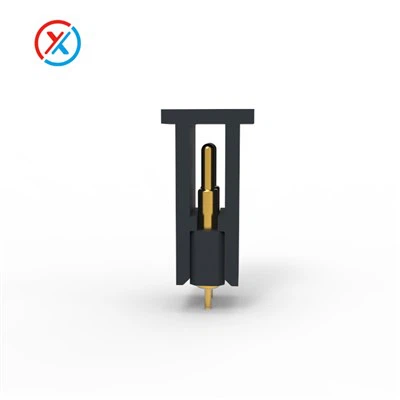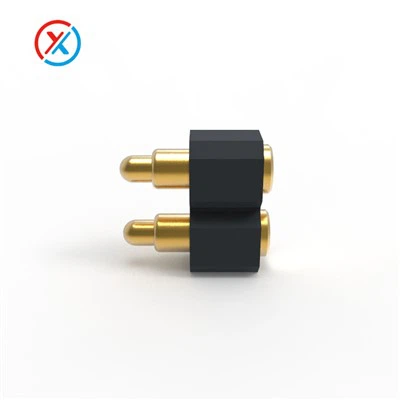
As a seasoned supplier of Pogo Pins, I've witnessed firsthand the critical role these tiny components play in a wide array of electronic devices. One of the most important aspects that often gets overlooked but is fundamental to their performance is the insertion and extraction force. In this blog post, I'll delve into what these forces are, why they matter, and how they impact the overall functionality of Pogo Pins.
Understanding Insertion and Extraction Force
Insertion force refers to the amount of force required to insert a Pogo Pin into its corresponding socket or mating component. On the other hand, extraction force is the force needed to pull the Pogo Pin out of the socket. These forces are crucial because they directly affect the ease of assembly, the reliability of the electrical connection, and the lifespan of the Pogo Pin.
When it comes to insertion force, it needs to be carefully calibrated. If the insertion force is too high, it can make the assembly process difficult and time - consuming. Workers may struggle to insert the Pogo Pins correctly, which can lead to misalignments and potential damage to the pins or the mating components. This can also increase the risk of injury to the assembly workers. Conversely, if the insertion force is too low, the Pogo Pin may not make a secure connection with the socket. This can result in intermittent electrical connections, which are a major headache in electronic devices as they can cause malfunctions and reduce the overall reliability of the product.
Extraction force is equally important. A proper extraction force ensures that the Pogo Pin remains in place during normal use but can be removed when necessary, such as for maintenance or replacement. If the extraction force is too high, it can be challenging to remove the Pogo Pin without causing damage. This can be a significant problem in situations where quick replacement is required. On the other hand, if the extraction force is too low, the Pogo Pin may come loose during normal operation, leading to the same issues as a weak insertion force.
Factors Affecting Insertion and Extraction Force
Several factors can influence the insertion and extraction force of Pogo Pins. One of the primary factors is the design of the Pogo Pin itself. The shape, size, and material of the pin can all have an impact. For example, a Pogo Pin with a larger diameter may require more force to insert and extract compared to a smaller one. The material of the pin also plays a role. Pins made of harder materials may have different insertion and extraction characteristics compared to those made of softer materials.
The surface finish of the Pogo Pin is another important factor. A smooth surface finish can reduce friction, which in turn can lower the insertion and extraction force. For instance, Gold Plated Pogo Pins often have a lower friction coefficient due to the smoothness of the gold plating. This can make them easier to insert and extract while also providing excellent electrical conductivity.
The design of the socket or mating component also affects these forces. The internal dimensions, the material, and the surface finish of the socket all interact with the Pogo Pin. A well - designed socket will have the right amount of tolerance to ensure a proper fit with the Pogo Pin, which helps in achieving the optimal insertion and extraction forces.
Importance in Different Applications
The significance of insertion and extraction force varies depending on the application. In consumer electronics, such as smartphones and tablets, the insertion and extraction forces need to be carefully balanced. These devices are often assembled in high - volume production lines, so the insertion force should be low enough to allow for quick and easy assembly. At the same time, the extraction force should be sufficient to ensure that the Pogo Pins stay in place during normal use. For example, in a smartphone charging port that uses Pogo Pins, a proper balance of these forces ensures that the charging cable can be easily plugged in and removed while maintaining a reliable electrical connection.
In industrial applications, the requirements for insertion and extraction force can be more demanding. Industrial equipment often operates in harsh environments and may require frequent maintenance. Pogo Pins used in these applications need to have a higher extraction force to withstand vibrations and shocks. However, they also need to be removable for maintenance purposes. For instance, in a factory automation system, Spring Loaded Contacts High Current Pogo Pins are used to transmit power and signals. These pins need to have a secure connection, so the insertion and extraction forces are carefully engineered to meet the specific requirements of the application.
Measuring Insertion and Extraction Force
Measuring the insertion and extraction force of Pogo Pins is a crucial step in quality control. Specialized testing equipment is used to accurately measure these forces. The testing process typically involves inserting the Pogo Pin into a test socket at a controlled speed and measuring the force required to do so. The same process is repeated for extraction.
The results of these measurements are compared against the specified requirements for the Pogo Pin. If the measured forces are outside the acceptable range, adjustments can be made to the manufacturing process. This may involve changing the material, the surface finish, or the design of the Pogo Pin or the socket.
Our Expertise as a Pogo Pins Supplier
As a Pogo Pins supplier, we understand the importance of getting the insertion and extraction force right. We have a team of experienced engineers who are well - versed in the science behind these forces. We use state - of - the - art manufacturing techniques and quality control processes to ensure that our Pogo Pins meet the highest standards.
We offer a wide range of Pogo Pins, including SMD Pogo Pins, which are designed for surface - mount technology applications. Our Gold Plated Pogo Pins provide excellent electrical conductivity and reduced friction, resulting in optimal insertion and extraction forces. And our Spring Loaded Contacts High Current Pogo Pins are engineered to handle high - power applications while maintaining the right balance of forces.
Conclusion
In conclusion, the insertion and extraction force of Pogo Pins are critical factors that can significantly impact the performance and reliability of electronic devices. Understanding these forces, the factors that affect them, and how to measure and control them is essential for both manufacturers and users of Pogo Pins.


If you're in the market for high - quality Pogo Pins and need a supplier who understands the intricacies of insertion and extraction force, we're here to help. Whether you're working on a consumer electronics project or an industrial application, we can provide you with the right Pogo Pins to meet your specific requirements. Contact us today to start a discussion about your Pogo Pin needs and let's work together to ensure the success of your project.
References
- "Pogo Pin Design and Application Guide" - Industry - standard technical guide on Pogo Pins
- "Materials Science for Electronic Components" - Academic publication on the materials used in Pogo Pins and their impact on performance