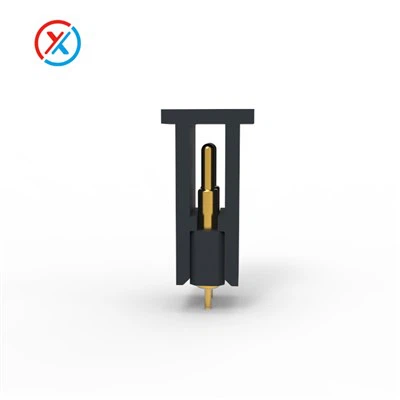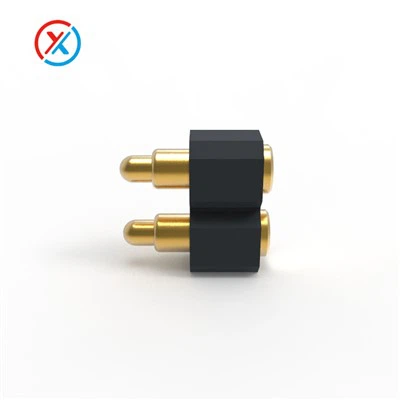
Alright folks, today we're diving into a pretty cool topic - what exactly is the thermal conductivity of electrical pogo pins? As an electrical pogo pins supplier, I've gotten a bunch of questions about this, so I thought I'd break it down for you.
First off, let's talk about what pogo pins are. If you're not familiar, pogo pins are spring-loaded pins that are super useful in all sorts of electrical applications. They're often used for making temporary electrical connections, like in test fixtures, battery chargers, and even in some consumer electronics. You can check out more about Spring Loaded Pogo Pins on our website.
Now, thermal conductivity. This is a measure of how well a material can conduct heat. In the case of electrical pogo pins, it's a crucial property because heat can build up in electrical circuits, and if the pogo pins can't transfer that heat effectively, it can lead to all sorts of problems. For example, overheating can cause damage to the pins themselves, reduce their lifespan, and even affect the performance of the entire electrical system they're part of.
So, what factors affect the thermal conductivity of electrical pogo pins? Well, the material they're made from is a big one. Most pogo pins are made from metals like brass, copper, or stainless steel. Copper is a great conductor of both electricity and heat, with a thermal conductivity of around 401 W/(m·K) at room temperature. Brass, which is an alloy of copper and zinc, has a lower thermal conductivity, usually in the range of 100 - 120 W/(m·K). Stainless steel, on the other hand, is a much poorer conductor of heat, with a thermal conductivity of about 16 - 24 W/(m·K). So, if you need pogo pins with high thermal conductivity, copper might be your best bet.


The surface finish of the pogo pins also plays a role. A smooth surface finish can improve thermal contact between the pin and the mating surface, allowing for better heat transfer. Some pogo pins are plated with materials like gold or silver, which not only improve electrical conductivity but can also enhance thermal conductivity to some extent. Gold has a thermal conductivity of about 318 W/(m·K), while silver is even better at around 429 W/(m·K).
Another factor is the design of the pogo pin. The shape and size of the pin, as well as the way the spring is constructed, can affect how heat is transferred through the pin. For example, a pin with a larger cross-sectional area will generally have better thermal conductivity because there's more material available to conduct the heat. And a well-designed spring can help maintain good contact between the pin and the mating surface, which is essential for efficient heat transfer.
Let's take a closer look at some of the common types of pogo pins and their thermal conductivity characteristics. Right Angle Pogo Pins are often used in applications where space is limited. They have a 90-degree bend, which can be useful for routing electrical connections in tight spaces. The thermal conductivity of right angle pogo pins is similar to that of straight pogo pins, as long as the material and surface finish are the same. However, the bend in the pin can introduce some additional resistance to heat transfer, so it's important to consider this when designing a system.
Pogo Pin Contacts are another important type of pogo pin. These are the parts of the pin that actually make contact with the mating surface. The material and design of the contacts can have a significant impact on the thermal conductivity of the overall pogo pin assembly. For example, contacts made from high-conductivity materials like copper or silver-plated copper will have better thermal performance than those made from lower-conductivity materials.
Now, you might be wondering how to measure the thermal conductivity of electrical pogo pins. There are several methods available, but one of the most common is the steady-state method. In this method, a known amount of heat is applied to one end of the pogo pin, and the temperature difference between the two ends is measured. By knowing the dimensions of the pin and the amount of heat applied, it's possible to calculate the thermal conductivity using Fourier's law of heat conduction.
So, why is all this important for you as a customer? Well, if you're using pogo pins in an application where heat management is critical, like in high-power electrical systems or in applications where the pins are in close proximity to heat-generating components, choosing pogo pins with the right thermal conductivity can make a big difference. It can help ensure the reliability and performance of your electrical system, and can even save you money in the long run by reducing the risk of component failure.
As an electrical pogo pins supplier, we understand the importance of thermal conductivity and offer a wide range of pogo pins with different thermal conductivity characteristics to meet your specific needs. Whether you need high-conductivity copper pins for a high-power application or lower-cost brass pins for a less demanding application, we've got you covered.
If you're interested in learning more about our electrical pogo pins or have any questions about thermal conductivity or other properties, don't hesitate to reach out. We're here to help you find the right pogo pins for your project and ensure that they perform as expected. Contact us today to start a conversation about your requirements and let's work together to find the best solution for you.
References
- Incropera, F. P., & DeWitt, D. P. (2001). Fundamentals of Heat and Mass Transfer. John Wiley & Sons.
- Holman, J. P. (2002). Heat Transfer. McGraw-Hill.