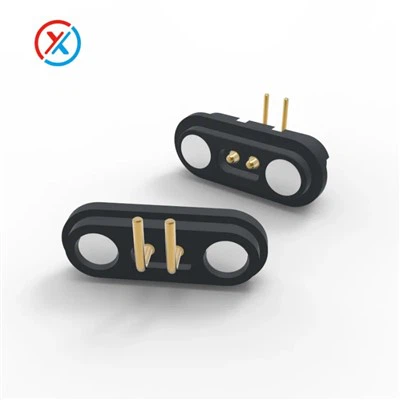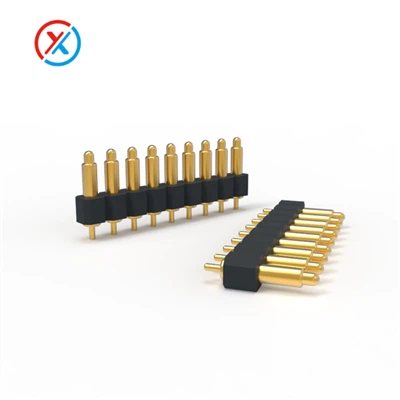
Vibration resistance is a crucial factor in the performance and reliability of electronic connectors, especially for 4 pin pogo connectors. As a supplier of 4 pin pogo connectors, I understand the significance of this characteristic and its impact on various applications. In this blog, we will explore what the vibration resistance of a 4 pin pogo is, how it is measured, and why it matters in different industries.
What is a 4 Pin Pogo Connector?
Before delving into vibration resistance, let's first understand what a 4 Pin Pogo Connector is. A 4 pin pogo connector is a type of electrical connector that uses spring-loaded pins, also known as pogo pins, to establish electrical contact. These pins are typically made of metal and are housed in a plastic or metal housing. The spring-loaded design allows the pins to compress and maintain a reliable connection, even when there is slight movement or misalignment.
4 pin pogo connectors are commonly used in a wide range of electronic devices, including smartphones, tablets, laptops, wearables, and IoT devices. They are particularly useful in applications where a secure and reliable electrical connection is required, such as charging ports, data transfer interfaces, and battery contacts.


Understanding Vibration Resistance
Vibration resistance refers to the ability of a 4 pin pogo connector to maintain a stable electrical connection under vibration or shock conditions. In real-world applications, electronic devices are often subjected to various types of vibrations, such as those caused by movement, transportation, or mechanical operation. These vibrations can cause the pins of the connector to move or become loose, leading to intermittent electrical contact or even complete disconnection.
The vibration resistance of a 4 pin pogo connector is determined by several factors, including the design of the connector, the quality of the materials used, and the manufacturing process. A well-designed connector with high-quality materials and precise manufacturing techniques will generally have better vibration resistance than a poorly designed or low-quality connector.
Measuring Vibration Resistance
There are several methods for measuring the vibration resistance of a 4 pin pogo connector. One common method is the vibration test, which involves subjecting the connector to a specific frequency and amplitude of vibration for a certain period of time. During the test, the electrical resistance of the connector is monitored to detect any changes or interruptions in the electrical connection.
Another method is the shock test, which involves subjecting the connector to a sudden impact or shock. Similar to the vibration test, the electrical resistance of the connector is monitored during the shock test to detect any changes or interruptions in the electrical connection.
In addition to these tests, other factors such as the contact force between the pins and the mating surface, the durability of the spring-loaded pins, and the overall mechanical stability of the connector can also affect its vibration resistance.
Why Vibration Resistance Matters
The vibration resistance of a 4 pin pogo connector is important for several reasons. Firstly, it ensures the reliability and stability of the electrical connection in electronic devices. A connector with poor vibration resistance may cause intermittent electrical contact, which can lead to data loss, charging problems, or other malfunctions. This can be particularly problematic in critical applications such as medical devices, aerospace systems, and automotive electronics.
Secondly, vibration resistance can also affect the lifespan of the connector. A connector that is subjected to excessive vibration or shock may experience wear and tear on the pins and other components, leading to premature failure. By choosing a connector with good vibration resistance, you can extend the lifespan of the connector and reduce the need for frequent replacements.
Finally, vibration resistance is also important for ensuring the safety of electronic devices. In some applications, such as those involving high-voltage or high-current circuits, a loose or intermittent electrical connection can pose a safety hazard. By using a connector with good vibration resistance, you can minimize the risk of electrical arcing, short circuits, or other safety issues.
Applications of 4 Pin Pogo Connectors with Good Vibration Resistance
4 pin pogo connectors with good vibration resistance are widely used in various industries and applications. Some of the common applications include:
- Consumer Electronics: In smartphones, tablets, laptops, and other consumer electronics devices, 4 pin pogo connectors are used for charging ports, data transfer interfaces, and battery contacts. Good vibration resistance ensures reliable charging and data transfer, even when the device is being used or carried around.
- Medical Devices: In medical devices such as insulin pumps, heart monitors, and diagnostic equipment, 4 pin pogo connectors are used for power supply, data transfer, and sensor connections. Good vibration resistance is essential for ensuring the accuracy and reliability of these devices, which can have a direct impact on patient health and safety.
- Aerospace and Defense: In aerospace and defense applications, 4 pin pogo connectors are used for avionics systems, communication equipment, and weapon systems. Good vibration resistance is crucial for ensuring the proper functioning of these systems in harsh environments, such as high-altitude flights, vibrations from aircraft engines, and shock from weapon firing.
- Automotive Electronics: In automotive electronics, 4 pin pogo connectors are used for various applications, such as charging ports for electric vehicles, sensor connections, and data transfer interfaces. Good vibration resistance is important for ensuring the reliability and safety of these systems, especially in vehicles that are subjected to frequent vibrations and shocks during normal operation.
Choosing the Right 4 Pin Pogo Connector for Vibration Resistance
When choosing a 4 pin pogo connector for applications that require good vibration resistance, there are several factors to consider. These include:
- Design: Look for a connector with a robust and stable design that can withstand vibration and shock. The connector should have a secure locking mechanism to prevent the pins from becoming loose or dislodged.
- Materials: Choose a connector made of high-quality materials that are resistant to wear and corrosion. The pins should be made of a durable metal, such as gold or silver, to ensure good electrical conductivity and long-term reliability.
- Manufacturing Process: Ensure that the connector is manufactured using precise and high-quality manufacturing techniques. This will help to ensure that the pins are properly aligned and that the connector has a consistent and reliable performance.
- Testing and Certification: Look for a connector that has been tested and certified to meet relevant industry standards for vibration resistance. This will give you confidence in the quality and reliability of the connector.
Conclusion
In conclusion, the vibration resistance of a 4 pin pogo connector is an important factor in its performance and reliability. By understanding what vibration resistance is, how it is measured, and why it matters, you can make an informed decision when choosing a 4 pin pogo connector for your application. As a supplier of 4 pin pogo connectors, we are committed to providing high-quality products with excellent vibration resistance. If you are interested in learning more about our 4 Pin Pogo Connector or other Magnetic Connector Electrical products, please feel free to contact us for a detailed discussion. We look forward to working with you to meet your specific requirements.