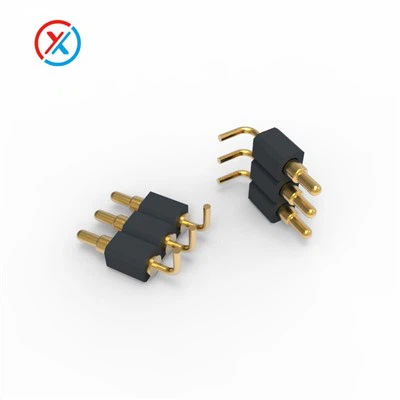
Vibration resistance is a critical factor to consider when it comes to right angle pogo pins, especially in industries where reliable electrical connections are essential under dynamic conditions. As a supplier of right angle pogo pins, I understand the importance of this characteristic and its impact on the performance of various electronic devices. In this blog post, I will delve into what vibration resistance means for right angle pogo pins, how it is measured, and why it matters in different applications.
Understanding Vibration Resistance in Right Angle Pogo Pins
Right angle pogo pins are spring-loaded electrical connectors that are designed to provide a reliable connection between two electrical components. They are commonly used in applications such as test fixtures, battery charging connectors, and electronic devices where a secure and stable electrical connection is required. Vibration resistance refers to the ability of these pogo pins to maintain a consistent electrical connection even when subjected to vibrations or mechanical shocks.
When a right angle pogo pin is exposed to vibrations, it can experience movement and displacement. This movement can cause the pin to lose contact with the mating surface, leading to intermittent electrical connections or complete signal loss. Vibration resistance is therefore crucial to ensure that the electrical connection remains stable and reliable, even in harsh operating environments.
Factors Affecting Vibration Resistance
Several factors can affect the vibration resistance of right angle pogo pins. These include the design of the pogo pin, the materials used, and the manufacturing process.
Design
The design of the pogo pin plays a significant role in its vibration resistance. A well-designed pogo pin will have a stable structure that can withstand vibrations without losing contact. For example, the shape of the tip of the pogo pin can affect its ability to maintain contact with the mating surface. A rounded tip may provide better contact stability compared to a flat tip, as it can conform to the surface irregularities and reduce the risk of disconnection.
The spring mechanism of the pogo pin is also an important design consideration. A high-quality spring with the right stiffness and preload can ensure that the pin maintains a consistent force against the mating surface, even when subjected to vibrations. Additionally, the overall length and diameter of the pogo pin can affect its vibration resistance. A shorter and thicker pogo pin may be more resistant to vibrations compared to a longer and thinner one.
Materials
The materials used in the construction of the pogo pin can also impact its vibration resistance. High-quality materials with good mechanical properties, such as high strength and elasticity, are essential for ensuring that the pogo pin can withstand vibrations without deforming or breaking.


For the body of the pogo pin, materials such as brass or stainless steel are commonly used due to their excellent electrical conductivity and mechanical strength. The tip of the pogo pin is often made of a harder material, such as gold or platinum, to provide a low-resistance contact surface and improve wear resistance. The spring inside the pogo pin is typically made of a high-quality spring steel or a nickel-based alloy, which can provide the necessary elasticity and durability.
Manufacturing Process
The manufacturing process of the pogo pin can also affect its vibration resistance. A precise and consistent manufacturing process is required to ensure that the pogo pin has the correct dimensions and properties. Any variations in the manufacturing process can lead to inconsistencies in the performance of the pogo pin, including its vibration resistance.
For example, improper machining or assembly can result in a pogo pin with a loose fit or a misaligned tip, which can reduce its vibration resistance. Therefore, it is important to choose a supplier that has a high level of manufacturing expertise and quality control to ensure that the pogo pins meet the required specifications.
Measuring Vibration Resistance
There are several methods for measuring the vibration resistance of right angle pogo pins. One common method is the vibration test, which involves subjecting the pogo pin to a controlled vibration environment and monitoring the electrical connection during the test.
During the vibration test, the pogo pin is typically mounted in a test fixture and connected to a circuit. The test fixture is then placed on a vibration table, which can generate vibrations at different frequencies and amplitudes. The electrical connection between the pogo pin and the mating surface is monitored using a multimeter or other electrical testing equipment.
The vibration test can be used to evaluate the performance of the pogo pin under different vibration conditions. The test results can provide valuable information about the vibration resistance of the pogo pin, such as the maximum vibration frequency and amplitude that it can withstand without losing contact.
Importance of Vibration Resistance in Different Applications
Vibration resistance is important in a wide range of applications where right angle pogo pins are used. Here are some examples:
Test Fixtures
In test fixtures, right angle pogo pins are used to provide a temporary electrical connection between the test equipment and the device under test. These test fixtures are often subjected to vibrations during the testing process, such as when the test equipment is moved or when the device under test is being inserted or removed from the fixture.
A pogo pin with good vibration resistance is essential to ensure that the electrical connection remains stable during the testing process. This can help to prevent false test results and ensure the accuracy of the testing.
Battery Charging Connectors
Battery charging connectors are another common application for right angle pogo pins. These connectors are used to provide a reliable electrical connection between the battery and the charging device. In mobile devices such as smartphones and tablets, the battery charging connector may be subjected to vibrations when the device is being carried or used.
A pogo pin with high vibration resistance can ensure that the charging connection remains stable, even when the device is in motion. This can help to prevent interrupted charging and ensure that the battery is charged efficiently.
Automotive Electronics
In the automotive industry, right angle pogo pins are used in various electronic systems, such as dashboard displays, sensors, and control modules. These systems are often exposed to vibrations and mechanical shocks due to the movement of the vehicle.
A pogo pin with excellent vibration resistance is crucial to ensure the reliable operation of these electronic systems. Any intermittent electrical connections caused by vibrations can lead to malfunctions or failures in the automotive electronics, which can have serious safety implications.
Conclusion
Vibration resistance is a critical characteristic of right angle pogo pins that can significantly impact their performance and reliability. As a supplier of right angle pogo pins, I am committed to providing high-quality products with excellent vibration resistance to meet the needs of our customers in various industries.
If you are looking for right angle pogo pins with superior vibration resistance, please visit our website to learn more about our Electrical Pogo Pins, Pogo Pin Right Angle, and Spring Loaded Pin Contact. Our team of experts is always ready to assist you with your specific requirements and provide you with the best solutions for your applications. Contact us today to start a discussion about your procurement needs and explore how our right angle pogo pins can enhance the performance of your electronic devices.
References
- "Electrical Connectors: Design, Application, and Technology" by William C. Gruber
- "Spring Design Handbook" by William A. Nash
- Industry standards and specifications related to pogo pins and vibration testing.