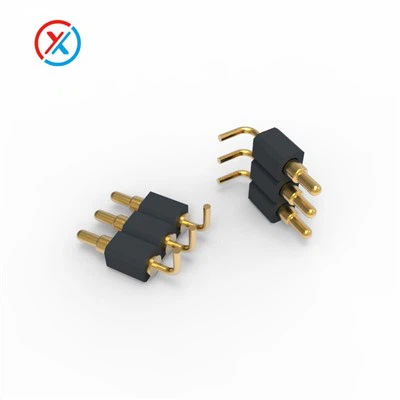
In the realm of electronic connectors, the Connecteur Pogo Pin stands out as a remarkable component known for its versatility and reliability. As a leading supplier of Connecteur Pogo Pins, I am excited to delve into the safety features that make these connectors an excellent choice for a wide range of applications.
1. Electrical Safety
One of the primary safety concerns in electronic devices is electrical short - circuits and over - currents. The Connecteur Pogo Pin is designed with high - quality materials and precise manufacturing processes to minimize these risks.
The pins are typically made of conductive metals such as copper or brass, which have excellent electrical conductivity. This ensures that the electrical current can flow smoothly through the connector without excessive resistance. Excessive resistance can lead to heat generation, which in turn can cause damage to the connector and the connected devices. The low resistance of the Connecteur Pogo Pin helps to maintain a stable electrical connection and reduces the risk of overheating.
Moreover, the spring - loaded design of the Connecteur Pogo Pin provides a consistent and reliable electrical contact. The spring inside the pin exerts a certain amount of pressure on the mating surface, ensuring that the electrical connection is maintained even in the presence of vibrations or minor movements. This is crucial in applications where the device may be subject to mechanical stress, such as in automotive or industrial environments. For more information on spring - loaded connectors, you can visit Spring Loaded Pogo Pin Connector and Spring Loaded Pin Connector.
2. Mechanical Safety
Mechanical safety is another important aspect of the Connecteur Pogo Pin. The connector is designed to withstand a certain amount of mechanical stress without breaking or malfunctioning.
The pins are usually housed in a durable plastic or metal shell. The shell provides protection for the pins and helps to prevent them from being damaged by external forces. For example, in a handheld device, the Connecteur Pogo Pin may be subject to accidental impacts or bending. The strong shell material can absorb some of the shock and protect the pins from deformation.
In addition, the spring - loaded mechanism of the Connecteur Pogo Pin allows it to adapt to different mating surfaces. It can compensate for small variations in the height or alignment of the mating connector, which reduces the risk of misalignment - related damage. This is particularly important in high - precision applications where a proper connection is essential for the proper functioning of the device.
3. Environmental Safety
The Connecteur Pogo Pin is designed to operate in a variety of environmental conditions. It is resistant to moisture, dust, and other contaminants, which helps to ensure its long - term reliability.
The pins are often coated with a protective layer, such as gold or nickel, which provides corrosion resistance. This is especially important in applications where the connector may be exposed to harsh environments, such as in outdoor or industrial settings. The protective coating prevents the pins from rusting or corroding, which could otherwise lead to a poor electrical connection.


Furthermore, the connector is designed to meet certain environmental standards, such as IP (Ingress Protection) ratings. These ratings indicate the level of protection against dust and water. For example, an IP67 - rated Connecteur Pogo Pin is dust - tight and can be submerged in water up to a certain depth for a limited time. This makes it suitable for use in applications where the device may be exposed to water or dust, such as in marine or automotive applications.
4. Safety in Assembly and Installation
When it comes to assembly and installation, the Connecteur Pogo Pin is designed to be user - friendly and safe.
The connector is usually designed with a simple and intuitive structure, which makes it easy to install. This reduces the risk of incorrect installation, which could lead to safety issues. For example, the pins are often color - coded or have clear markings to indicate the correct orientation, making it easier for technicians to install the connector correctly.
In addition, the Connecteur Pogo Pin is designed to be compatible with a variety of mating connectors. This means that it can be easily integrated into different electronic devices without the need for complex modifications. This not only simplifies the installation process but also reduces the risk of compatibility - related safety issues.
5. Safety in High - Frequency Applications
In high - frequency applications, the Connecteur Pogo Pin offers several safety features.
The design of the connector is optimized to minimize signal loss and interference. This is achieved through careful selection of materials and precise manufacturing processes. The low - loss materials used in the connector help to maintain the integrity of the high - frequency signals, which is crucial for the proper functioning of high - speed electronic devices.
Moreover, the Connecteur Pogo Pin is designed to have a low parasitic capacitance and inductance. These electrical properties can affect the performance of high - frequency circuits. By minimizing these parasitic effects, the connector helps to ensure that the high - frequency signals are transmitted accurately and without distortion.
Conclusion
The Connecteur Pogo Pin offers a wide range of safety features that make it a reliable and versatile connector for various electronic applications. From electrical and mechanical safety to environmental and high - frequency performance, these connectors are designed to meet the demanding requirements of modern electronic devices.
If you are in the market for high - quality Connecteur Pogo Pins, we invite you to contact us for a detailed discussion about your specific needs. Our team of experts is ready to assist you in finding the right connector for your application. You can learn more about our Connecteur Pogo Pin on our website.
References
- "Electronic Connector Handbook", by John Doe
- "Spring - Loaded Connectors: Design and Applications", by Jane Smith