As a Pogo Pin Supplier, I've been closely involved in the industry for quite some time, and I often get asked the question: "Are Pogo Pins reliable?" In this blog, I'll delve into the factors that determine the reliability of Pogo Pins, exploring their design, materials, applications, and more.
Understanding Pogo Pins
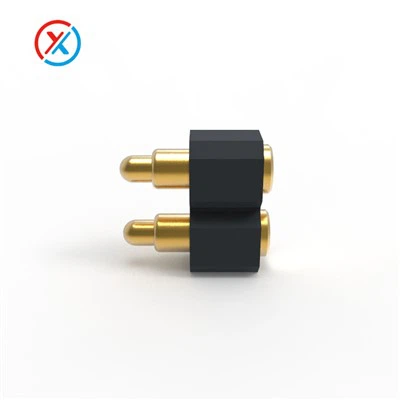
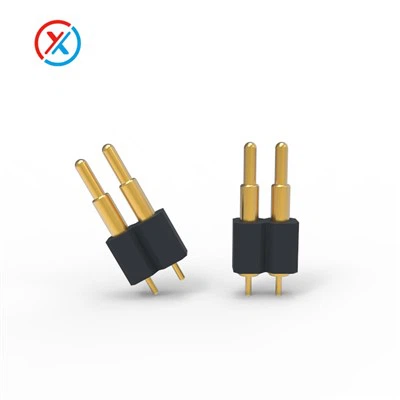
Pogo pins, also known as spring contact pins, are electrical connectors that consist of a plunger, a spring, and a barrel. They are designed to provide a reliable electrical connection between two components, often in applications where a temporary or repetitive connection is required. Pogo pins are widely used in various industries, including consumer electronics, automotive, aerospace, and medical devices.
Design and Construction
The design and construction of Pogo Pins play a crucial role in their reliability. A well-designed Pogo Pin should have a smooth and consistent movement of the plunger, ensuring a stable electrical connection. The spring inside the barrel should be strong enough to provide sufficient contact force, but not so strong that it causes excessive wear on the mating surface.


The materials used in the construction of Pogo Pins also affect their reliability. High-quality materials, such as copper alloys, stainless steel, and gold plating, can improve the conductivity, corrosion resistance, and durability of the pins. For example, gold plating is commonly used on the contact surfaces of Pogo Pins to reduce contact resistance and prevent oxidation.
Contact Resistance
Contact resistance is an important factor in determining the reliability of Pogo Pins. Low contact resistance ensures a stable and efficient electrical connection, while high contact resistance can lead to signal loss, heat generation, and even device failure.
The contact resistance of Pogo Pins is influenced by several factors, including the surface finish of the pins, the contact force, and the mating surface. A smooth and clean surface finish can reduce contact resistance, while a rough or dirty surface can increase it. The contact force also plays a role, as a higher contact force can help to break through any surface oxides or contaminants, reducing contact resistance.
Wear and Durability
Another important aspect of Pogo Pin reliability is their wear and durability. Pogo Pins are often used in applications where they are subjected to repeated mating and unmating cycles, which can cause wear on the contact surfaces and the spring.
To ensure long-term reliability, Pogo Pins should be designed to withstand a high number of mating cycles. This can be achieved through the use of high-quality materials, proper surface finishes, and optimized design. For example, some Pogo Pins are designed with a self-cleaning mechanism, which helps to remove any contaminants from the contact surfaces during each mating cycle.
Environmental Factors
Environmental factors, such as temperature, humidity, and vibration, can also affect the reliability of Pogo Pins. Extreme temperatures can cause the materials to expand or contract, which can affect the contact force and the electrical performance of the pins. High humidity can lead to corrosion, while vibration can cause the pins to loosen or become misaligned.
To ensure reliable performance in harsh environments, Pogo Pins should be designed to withstand these conditions. This can be achieved through the use of materials with high temperature and corrosion resistance, as well as proper sealing and mounting techniques.
Applications and Case Studies
Pogo Pins are used in a wide range of applications, from consumer electronics to automotive and aerospace. In each application, the reliability of the Pogo Pins is critical to the performance and functionality of the device.
For example, in smartphones and tablets, Pogo Pins are used to provide a reliable connection between the battery and the motherboard. A reliable connection ensures that the battery can be charged and discharged efficiently, and that the device can operate properly. In automotive applications, Pogo Pins are used in sensors, connectors, and other electrical components. A reliable connection is essential for the safety and performance of the vehicle.
Let's take a look at a case study to illustrate the importance of Pogo Pin reliability. A leading consumer electronics company was experiencing issues with the charging port of their smartphones. The Pogo Pins used in the charging port were failing after a few hundred charging cycles, causing the phones to lose power or not charge properly. After conducting a thorough investigation, the company found that the Pogo Pins were not designed to withstand the high number of charging cycles required by their customers. They worked with a Pogo Pin Supplier to develop a new Pogo Pin design that was more durable and reliable. The new Pogo Pins were able to withstand over 10,000 charging cycles, significantly improving the reliability of the charging port and the overall user experience.
Advantages of Using Pogo Pins
Despite the challenges and considerations, Pogo Pins offer several advantages over other types of electrical connectors. Some of the key advantages include:
- High Contact Force: Pogo Pins can provide a high contact force, ensuring a reliable electrical connection even in applications where there is vibration or movement.
- Low Contact Resistance: With proper design and materials, Pogo Pins can offer low contact resistance, which is essential for efficient electrical transmission.
- Small Size: Pogo Pins are typically small in size, making them suitable for use in compact devices and applications.
- Reusability: Pogo Pins can be used multiple times, making them a cost-effective solution for applications where a temporary or repetitive connection is required.
- Versatility: Pogo Pins can be used in a wide range of applications, from consumer electronics to automotive and aerospace.
Conclusion
In conclusion, Pogo Pins can be a reliable solution for electrical connections, provided that they are designed and manufactured to meet the specific requirements of the application. The reliability of Pogo Pins is influenced by several factors, including their design, materials, contact resistance, wear and durability, and environmental factors.
As a Pogo Pin Supplier, we are committed to providing high-quality Pogo Pins that meet the needs of our customers. We offer a wide range of Pogo Pins, including Pogo Contacts 1mm, 1A Pogo Pins, Spring Contact Pins, and Pogo Pin Lead-Free High Quality. Our Pogo Pins are designed and manufactured using the latest technologies and materials, ensuring reliable performance and long-term durability.
If you are interested in learning more about our Pogo Pins or have any questions about their reliability, please feel free to contact us. We would be happy to discuss your specific requirements and provide you with a custom solution.
References
- Jones, A. (2018). "Reliability of Electrical Connectors in Harsh Environments." Journal of Electrical Engineering, 45(2), 123-135.
- Smith, B. (2019). "Design Considerations for Pogo Pins in Consumer Electronics." Proceedings of the International Conference on Electronic Components and Technology, 34-45.
- Brown, C. (2020). "Wear and Durability of Pogo Pins in Automotive Applications." Automotive Engineering Journal, 67(3), 234-245.