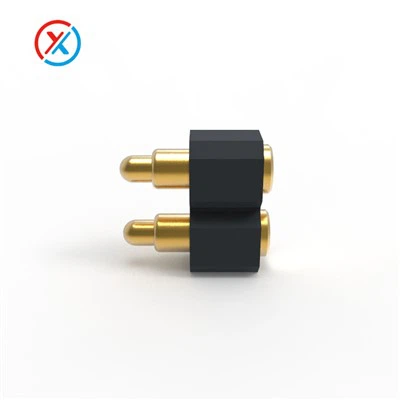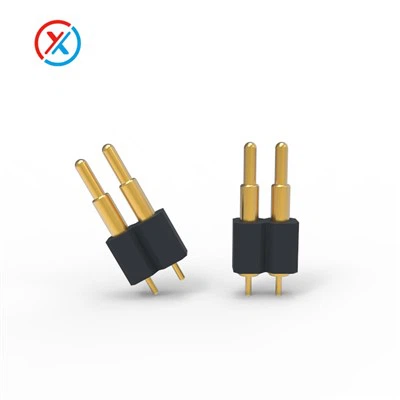
Hey there! As a supplier of pogo pin pads, I often get asked, "What is the capacitance of pogo pin pads?" Well, let's dive right into this topic.
First off, let's understand what pogo pin pads are. Pogo pin pads are an essential part of many electronic devices. They're used in all sorts of gadgets to provide a reliable electrical connection. You might find them in smartphones, tablets, wearables, and even industrial equipment. They're super handy because they can make and break connections easily, and they're designed to withstand a lot of use.
Now, onto the main question: capacitance. Capacitance is basically the ability of a component to store an electrical charge. For pogo pin pads, their capacitance is influenced by a bunch of factors.
Factors Affecting the Capacitance of Pogo Pin Pads
-
Material
The materials used in making pogo pin pads play a huge role in determining their capacitance. Different metals have different electrical properties. For example, copper is a commonly used material because it's a great conductor. But it also has a certain level of capacitance associated with it. If you compare it to other metals, like aluminum, the capacitance values will be different. Aluminum might have a lower capacitance due to its different atomic structure and electron behavior. -
Size and Shape
The size and shape of the pogo pin pads matter a lot. Larger pads generally have higher capacitance because they have more surface area for charge storage. Think of it like a big bucket can hold more water than a small one. Similarly, a larger pogo pin pad can store more electrical charge. As for the shape, irregular shapes can also affect the way the electric field distributes around the pad, which in turn impacts the capacitance. For instance, a circular pad might have a different capacitance compared to a rectangular one with the same surface area. -
Spacing
The spacing between pogo pin pads is crucial. If the pads are close together, the electric field between them can cause a phenomenon called capacitive coupling. This means that the electric charge on one pad can influence the charge on the neighboring pad. The closer they are, the stronger this coupling effect is, and it can increase the overall effective capacitance of the system. On the other hand, if the pads are spaced far apart, this coupling effect is minimized.
Measuring the Capacitance of Pogo Pin Pads
Measuring the capacitance of pogo pin pads isn't as straightforward as you might think. It requires specialized equipment. One common tool is a capacitance meter. This device works by applying a small voltage to the pogo pin pads and then measuring the resulting charge. The ratio of the charge to the voltage is the capacitance.
However, there are some challenges in getting an accurate measurement. The environment can affect the measurement. For example, if there's a lot of electrical noise in the area, it can interfere with the readings. Also, the way the pogo pin pads are installed in a device can impact the measurement. If they're in close proximity to other components, those components can create additional capacitive effects that might skew the results.
Why Does the Capacitance of Pogo Pin Pads Matter?
The capacitance of pogo pin pads has several implications in the real world.
-
Signal Integrity
In high - speed electronic circuits, capacitance can have a big impact on signal integrity. If the capacitance of the pogo pin pads is too high, it can cause a delay in the signal transmission. This delay can lead to errors in data transfer, which is a big no - no in applications like high - speed data communication, where every bit of information needs to be transmitted accurately and quickly. -
Power Consumption
Capacitance also affects power consumption. When a pogo pin pad has a high capacitance, more energy is required to charge and discharge it with each cycle. This means that the device might use more power, which is a major concern for battery - powered devices. If you're a manufacturer of smartphones or wearables, you want to keep your power consumption as low as possible to extend the battery life. -
Compatibility
When designing an electronic device, the capacitance of the pogo pin pads needs to be compatible with the other components in the circuit. If the capacitance is too high or too low, it can cause issues with the overall functionality of the device. For example, if a microcontroller is expecting a certain level of capacitance from the pogo pin pads and it gets a different value, it might not operate correctly.
Our Range of Pogo Pin Products
As a supplier of pogo pin pads, we offer a wide range of products to meet different needs. We have 2-pin pogo connector which are perfect for applications where you need a simple and reliable connection. These connectors are designed to be waterproof, which makes them suitable for use in outdoor or wet environments.
We also have Spring Loaded Electrical Contact products. The spring - loaded feature ensures a firm and stable electrical connection, even when there's some movement or vibration. This makes them ideal for use in devices that are subject to mechanical stress.
Our Spring Loaded Power Connector is designed to handle power transfer efficiently. It can withstand high currents and is suitable for applications where a lot of power needs to be transmitted, such as in electric vehicles or industrial machinery.
If you're looking for a connector that can handle high currents, our High Current Pogo Pin Connector is the way to go. This connector is made with high - quality materials that can handle the heat generated by high - current applications.


And for those who need a connector that can handle a specific current of 10A, we have Pogo Pin Connectors 10A. This product is optimized for 10 - amp applications and is designed to be reliable and durable.
Let's Connect!
Whether you're a gadget manufacturer, an electronics hobbyist, or someone in need of high - quality pogo pin pads, we're here to help. The capacitance of our pogo pin pads is carefully engineered to meet the specific requirements of different applications. If you have any questions about the capacitance, or if you're interested in our products, don't hesitate to reach out for a procurement discussion. We're always happy to talk about how our pogo pin pads can fit into your projects.
References
- "Fundamentals of Electric Circuits" by Charles K. Alexander and Matthew N.O. Sadiku
- "Electronic Devices and Circuit Theory" by Robert L. Boylestad and Louis Nashelsky