Hey there! As a supplier of large pogo pins, I often get asked about how these little wonders handle electrostatic discharge (ESD). It's a crucial topic, especially in today's tech - heavy world where electronic devices are everywhere. So, let's dive right in and explore this together.
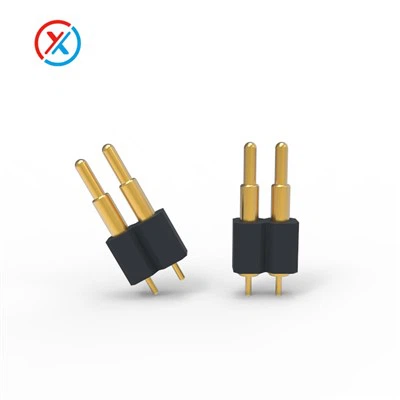
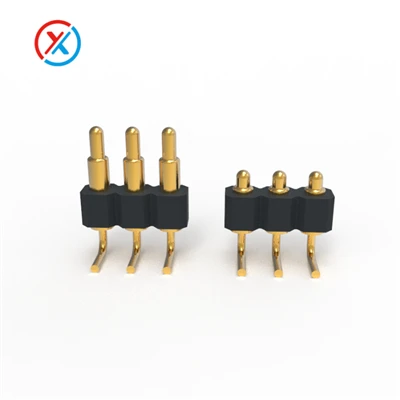
First off, what are large pogo pins? Well, they're basically spring - loaded pins that are larger in size compared to regular ones. You might know them as Loaded Pogo Pin, Spring Loaded Pin, or Pogo Contact Pins. These pins are used in a wide range of applications, from testing electronic components to providing electrical connections in various devices.
Now, let's talk about electrostatic discharge. ESD is a sudden flow of electricity between two electrically charged objects caused by contact, an electrical short, or dielectric breakdown. In simple terms, it's like a mini - lightning bolt that can occur when you touch a doorknob after walking on a carpet. In the world of electronics, ESD can be a real pain. It can damage sensitive electronic components, causing malfunctions or even complete failure of a device.
So, how do large pogo pins handle this pesky ESD?
Material Selection
One of the key factors in handling ESD is the material used to make the pogo pins. We typically use conductive materials like copper alloys or stainless steel. Copper alloys are great because they have high electrical conductivity, which means they can quickly conduct the electrostatic charge away from the sensitive components. Stainless steel, on the other hand, is more resistant to corrosion, which is important for long - term reliability.
When an ESD event occurs, the conductive material of the pogo pin acts as a pathway for the electrostatic charge. The charge flows through the pin and is safely dissipated into the ground or a grounding point in the system. This helps to prevent the charge from building up and causing damage to the connected components.
Design Features
The design of large pogo pins also plays a big role in handling ESD. Most pogo pins have a spring - loaded mechanism. This spring not only provides a reliable electrical connection but also helps in handling ESD. When an ESD event occurs, the spring can absorb some of the energy from the electrostatic discharge. It acts like a shock absorber, reducing the impact of the sudden electrical surge on the connected components.
Another important design feature is the contact surface of the pogo pin. A smooth and clean contact surface ensures good electrical conductivity. If the contact surface is rough or dirty, it can increase the resistance, which can lead to a build - up of electrostatic charge. So, we make sure to carefully machine and finish the contact surfaces of our pogo pins to minimize resistance and improve ESD handling.
Shielding
In some cases, we use shielding techniques to further protect the pogo pins and the connected components from ESD. Shielding involves surrounding the pogo pin with a conductive shield, such as a metal cage or a conductive coating. This shield acts as a Faraday cage, which can block or redirect the electrostatic charge away from the sensitive components.


The shield is connected to the ground, so when an ESD event occurs, the charge is conducted through the shield and into the ground, rather than passing through the pogo pin and the connected components. This provides an extra layer of protection against electrostatic discharge.
Testing and Quality Control
As a supplier, we take testing and quality control very seriously when it comes to ESD handling. We subject our large pogo pins to rigorous ESD testing to ensure that they can withstand electrostatic discharges without causing damage to the connected components.
We use industry - standard ESD testing equipment to simulate different levels of electrostatic discharge. During the testing process, we measure the electrical performance of the pogo pins, such as resistance and contact force, before and after the ESD event. If the pogo pin fails to meet our quality standards, it is rejected.
Applications and ESD Handling
Large pogo pins are used in a variety of applications, each with its own ESD requirements. For example, in the automotive industry, pogo pins are used in testing electronic control units (ECUs). These ECUs are very sensitive to ESD, so the pogo pins used in this application need to have excellent ESD handling capabilities.
In the consumer electronics industry, pogo pins are used in smartphones, tablets, and other portable devices. These devices are often exposed to ESD from human contact, so the pogo pins need to be able to handle frequent electrostatic discharges.
In the aerospace and defense industries, pogo pins are used in high - reliability applications where ESD can have serious consequences. For example, in avionics systems, a single ESD event can cause a malfunction that could endanger the safety of an aircraft. So, the pogo pins used in these applications need to be extremely reliable in handling ESD.
Why Choose Our Large Pogo Pins for ESD Handling
We've spent years perfecting our large pogo pins to ensure excellent ESD handling. Our team of experts is constantly researching and developing new materials and designs to improve the performance of our pogo pins. We use only the highest - quality materials and state - of - the - art manufacturing processes to ensure that our pogo pins are reliable and durable.
We also offer custom solutions. If you have specific ESD requirements for your application, we can work with you to design and manufacture pogo pins that meet your exact needs. Whether you need a pogo pin with a higher spring force for better ESD absorption or a shielded pogo pin for extra protection, we've got you covered.
Let's Talk
If you're in the market for large pogo pins and are concerned about ESD handling, we'd love to hear from you. We can provide you with detailed information about our products, including their ESD handling capabilities. We can also offer technical support and advice to help you choose the right pogo pins for your application.
Whether you're a manufacturer of electronic devices, a testing laboratory, or an engineer working on a new project, we're here to help. So, don't hesitate to reach out and start a conversation about your pogo pin needs. We're confident that our large pogo pins can meet your ESD requirements and provide you with a reliable electrical connection.
References
- "Electrostatic Discharge in Electronic Systems" by Paul H. Robinson
- "Spring - Loaded Contact Technology" by Richard M. Shuey
- Industry standards for ESD testing, such as IEC 61000 - 4 - 2