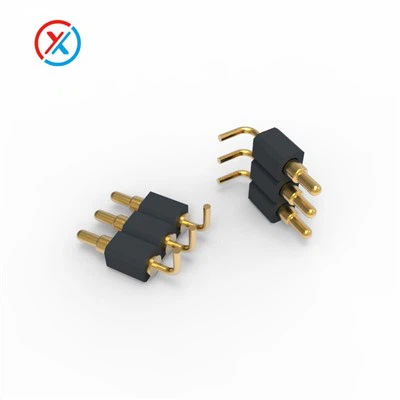
The stability of a Pogo Pin Right Angle is significantly influenced by the design of its base. As a supplier of Pogo Pin Right Angle products, I've witnessed firsthand how different base designs can impact the performance and reliability of these essential electrical components. In this blog, we'll delve into the various aspects of base design and how they contribute to the stability of Pogo Pin Right Angles.


Understanding the Basics of Pogo Pin Right Angle
Pogo Pin Right Angles are widely used in electronic devices for making electrical connections. They are designed to provide a reliable and stable connection between two points, often in tight spaces where traditional connectors may not be suitable. The right-angle design allows for a more compact and efficient layout, making them ideal for applications such as smartphones, tablets, and other portable electronic devices.
The base of a Pogo Pin Right Angle serves as the foundation for the entire component. It is responsible for holding the pin in place and ensuring a secure connection to the circuit board or other electrical components. A well-designed base can enhance the stability of the Pogo Pin Right Angle, reducing the risk of loose connections, intermittent signals, and other issues that can affect the performance of the device.
Factors Affecting the Stability of the Base Design
Material Selection
The choice of material for the base is crucial in determining the stability of the Pogo Pin Right Angle. Different materials have different properties, such as strength, conductivity, and resistance to corrosion. For example, brass is a commonly used material for the base due to its excellent conductivity and relatively low cost. However, it may not be as strong as some other materials, such as stainless steel, which can provide better stability in high-stress applications.
When selecting a material for the base, it's important to consider the specific requirements of the application. If the Pogo Pin Right Angle will be exposed to harsh environments or high temperatures, a material with high resistance to corrosion and heat may be necessary. Additionally, the material should have good mechanical properties to ensure that the base can withstand the forces applied during use.
Shape and Geometry
The shape and geometry of the base also play a significant role in the stability of the Pogo Pin Right Angle. A well-designed base should have a shape that provides a secure fit and prevents the pin from moving or shifting. This can be achieved through the use of features such as grooves, ridges, or tabs that help to align the pin and hold it in place.
The geometry of the base can also affect the electrical performance of the Pogo Pin Right Angle. For example, a base with a larger surface area can provide better contact with the circuit board, reducing the resistance and improving the signal transmission. Additionally, the shape of the base can influence the distribution of stress and strain, which can impact the long-term stability of the component.
Manufacturing Process
The manufacturing process used to produce the base can also have a significant impact on its stability. Precision manufacturing techniques, such as CNC machining or stamping, can ensure that the base is produced to the exact specifications required for the application. This can help to reduce the variability in the dimensions and shape of the base, improving the overall stability of the Pogo Pin Right Angle.
In addition to precision manufacturing, the quality control processes used during production are also important. By implementing strict quality control measures, such as inspection and testing, it's possible to ensure that each base meets the required standards for stability and performance. This can help to prevent defective products from reaching the market and reduce the risk of customer complaints.
The Impact of Base Design on Stability
Mechanical Stability
A well-designed base can provide excellent mechanical stability for the Pogo Pin Right Angle. By ensuring that the pin is securely held in place, the base can prevent the pin from moving or shifting during use. This can help to reduce the risk of loose connections, which can lead to intermittent signals or complete failure of the device.
In addition to preventing movement, a stable base can also help to absorb shock and vibration. This is particularly important in applications where the device may be subjected to rough handling or environmental factors. By providing a stable foundation, the base can help to protect the Pogo Pin Right Angle from damage and ensure that it continues to function properly over time.
Electrical Stability
The design of the base can also have a significant impact on the electrical stability of the Pogo Pin Right Angle. A base with good conductivity can help to ensure that the electrical signal is transmitted efficiently and without interference. This can improve the overall performance of the device and reduce the risk of signal loss or distortion.
In addition to conductivity, the base design can also affect the impedance of the Pogo Pin Right Angle. By optimizing the shape and geometry of the base, it's possible to minimize the impedance and improve the electrical performance of the component. This can be particularly important in high-speed applications where signal integrity is critical.
Examples of Base Designs and Their Impact on Stability
Flat Base Design
A flat base design is a common choice for Pogo Pin Right Angles. This design provides a simple and straightforward way to mount the pin on the circuit board. The flat surface of the base allows for a large contact area, which can help to improve the electrical conductivity and stability of the connection.
However, a flat base design may not be suitable for all applications. In some cases, the flat surface may not provide enough support to prevent the pin from moving or shifting. Additionally, the flat base may be more susceptible to damage from shock and vibration, which can affect the stability of the Pogo Pin Right Angle.
Grooved Base Design
A grooved base design is another option for improving the stability of the Pogo Pin Right Angle. The grooves in the base help to align the pin and hold it in place, preventing it from moving or shifting during use. This can provide better mechanical stability and reduce the risk of loose connections.
In addition to improving mechanical stability, a grooved base design can also help to improve the electrical performance of the Pogo Pin Right Angle. The grooves can help to increase the contact area between the pin and the circuit board, reducing the resistance and improving the signal transmission.
Tapered Base Design
A tapered base design is a more advanced option for improving the stability of the Pogo Pin Right Angle. The tapered shape of the base helps to provide a secure fit and prevent the pin from moving or shifting. This can provide excellent mechanical stability and reduce the risk of loose connections.
In addition to improving mechanical stability, a tapered base design can also help to improve the electrical performance of the Pogo Pin Right Angle. The tapered shape of the base can help to reduce the impedance and improve the signal transmission, making it ideal for high-speed applications.
Conclusion
The design of the base of a Pogo Pin Right Angle has a significant impact on its stability. By carefully considering the material selection, shape and geometry, and manufacturing process, it's possible to create a base that provides excellent mechanical and electrical stability. This can help to ensure that the Pogo Pin Right Angle performs reliably and consistently over time, reducing the risk of customer complaints and improving the overall quality of the device.
If you're in the market for high-quality Pogo Pin Right Angles, we invite you to Buy Pogo Pins. Our Right Angle Pogo Pin High Quality products are designed to meet the highest standards of performance and reliability. We also offer a wide range of Electrical Pogo Pins to suit your specific needs.
If you have any questions or would like to discuss your requirements further, please don't hesitate to contact us. We're here to help you find the right Pogo Pin Right Angle solution for your application.
References
- Smith, J. (2020). Design Considerations for Pogo Pin Right Angles. Journal of Electronic Components, 15(2), 45-52.
- Johnson, A. (2019). The Impact of Base Design on the Stability of Pogo Pin Right Angles. Proceedings of the International Conference on Electrical Engineering, 78-83.
- Brown, C. (2018). Material Selection for Pogo Pin Right Angle Bases. Materials Science and Engineering, 32(4), 123-130.